
How Orthopaedic Rehab Can Facilitate Post-Surgery Recovery
Post-Surgery Recovery

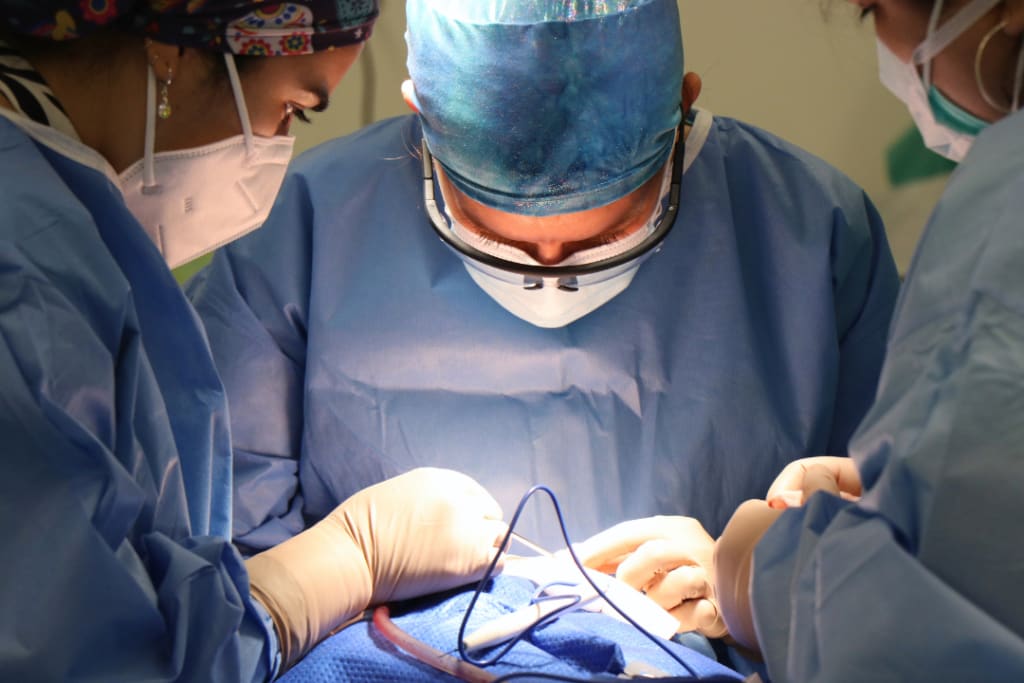
Undergoing surgery can be both a relief and a challenge. For many, the surgery itself marks the beginning of a long journey toward recovery. While the procedure addresses the underlying issue, the real work often starts afterward, with rehabilitation becoming the cornerstone of a successful outcome.
Orthopaedic rehab plays a critical role in this phase. Designed to help individuals regain strength, mobility, and independence, it’s a structured process tailored to each patient’s needs. In this article, we’ll explore how orthopaedic rehab can facilitate post-surgery recovery, its various components, and how it sets the foundation for long-term health and mobility.
What Is Orthopaedic Rehab?
Definition and Purpose
Orthopaedic rehabilitation, often referred to as ortho rehab, focuses on restoring physical function, alleviating pain, and ensuring optimal recovery after surgeries or injuries related to bones, joints, and muscles. By using a combination of physical exercises, manual therapy, and advanced medical equipment, orthopaedic rehab aims to rebuild mobility and enhance the patient’s overall well-being.
The purpose is straightforward: to help patients return to their daily activities without pain or discomfort. For those recovering from surgeries like joint replacements or ligament repairs, rehab provides the tools to regain confidence in their physical abilities, improving both strength and functionality.
Why Is It Essential Post-Surgery?
Surgery often leaves patients with temporary physical limitations. These might include restricted movement, muscle weakness, or even anxiety about reinjuring the affected area. Orthopaedic rehab addresses these issues systematically.
By introducing controlled exercises and therapeutic interventions early in recovery, ortho rehab minimizes risks like stiffness and scar tissue buildup. Additionally, it prepares the body for a gradual return to normal activities, ensuring patients regain their mobility safely and effectively.
How Orthopaedic Rehab Can Facilitate Post-Surgery Recovery
Accelerating the Healing Process
Orthopaedic rehab is designed to enhance the body’s natural healing processes. By encouraging controlled movement, it improves blood circulation to the surgical site, which speeds up tissue repair and reduces swelling. Strength-building exercises target the surrounding muscles, ensuring better support for the affected area. For example, after a total hip replacement, physiotherapists guide patients through a progression of exercises that restore flexibility and rebuild strength in the hip joint. This not only accelerates healing but also helps patients regain their range of motion more effectively, leading to a quicker return to daily activities.
For those seeking comprehensive care, Revive Rehab Physiotherapy in Hyderabad, Telangana, offers specialized orthopedic rehabilitation services tailored to individual recovery needs. Their expert team of physiotherapists ensures a personalized approach, combining advanced techniques with evidence-based practices. Whether it’s post-surgery rehabilitation or injury recovery, patients benefit from targeted therapies designed to enhance healing, improve mobility, and restore strength. Choosing a trusted center like Revive Rehab Physiotherapy can significantly improve recovery outcomes and overall quality of life.
Pain Management
Pain is a natural part of the post-surgery experience, but it doesn’t have to hinder recovery. One of the key goals of orthopaedic rehab is to manage pain effectively. Therapies like ultrasound, heat or ice application, and gentle stretching are integral to pain relief during recovery.
Moreover, pain management in rehab is about more than just comfort. By reducing pain, patients can engage more actively in their rehabilitation program, ensuring faster progress and a smoother recovery journey.
Components of Orthopaedic Rehab
Physical Therapy
Physical therapy is a primary element of orthopaedic rehab, tailored to meet individual recovery needs. A physical therapist designs specific exercises aimed at improving strength, flexibility, and balance.
- Range-of-motion exercises help regain joint movement, which is often restricted after surgery.
- Strength-building exercises target weakened muscles, ensuring the affected area receives adequate support.
- Stability and balance drills focus on reducing the risk of falls or re-injury during recovery.
- Each exercise is introduced at a pace suited to the patient’s capabilities, ensuring gradual progress without overexertion.
Manual Therapy
Manual therapy is a hands-on approach where therapists use techniques like massage and joint mobilization to relieve stiffness and improve mobility. For instance, after a shoulder surgery, manual therapy can help loosen tight muscles and scar tissue, paving the way for smoother movement.
Additionally, this component often includes posture correction, which is vital for long-term spinal health, especially after surgeries involving the back or neck.
Advanced Modalities
Modern orthopaedic rehab incorporates advanced medical technologies to complement traditional therapies. These modalities enhance recovery by targeting specific issues like inflammation, pain, and muscle weakness.
- Ultrasound therapy stimulates deep tissues, reducing pain and inflammation.
- Electrical stimulation activates muscles that may have weakened post-surgery.
- Cryotherapy helps control swelling, especially in the initial stages of recovery.
- These advanced tools make the rehabilitation process more effective and often faster.
Common Orthopaedic Surgeries Requiring Rehab
Joint Replacement Surgeries
Joint replacements, such as those for knees, hips, or shoulders, are among the most common orthopaedic procedures. These surgeries often involve the removal of damaged joint components and replacement with artificial parts, which require significant post-surgical care to adapt and function optimally.
Rehabilitation for joint replacements focuses on:
- Restoring the joint’s range of motion.
- Strengthening the surrounding muscles for added stability.
Ensuring that patients can resume activities like walking or climbing stairs without pain or difficulty.
Spinal Surgeries
Spinal surgeries, like fusions or discectomies, address issues such as herniated discs or chronic back pain. While these procedures provide relief, they also demand careful rehabilitation to rebuild core strength and protect the spine.
Rehab for spinal surgeries includes targeted exercises that improve posture, strengthen the back muscles, and minimize pain. It also educates patients on techniques to prevent future injuries, ensuring long-term spinal health.
The Role of Patient Education in Orthopaedic Rehab
Importance of Active Participation
Recovery isn’t a passive process. Patients need to actively participate in their rehab program to achieve the best results. This includes following prescribed exercises at home, attending therapy sessions regularly, and communicating openly with their therapists.
Active involvement ensures that progress is steady and that any potential issues are addressed promptly, preventing setbacks during recovery.
Learning Proper Techniques
One of the critical components of orthopaedic rehab is teaching patients how to move correctly. This might involve learning how to use assistive devices like crutches or walkers or understanding the proper way to lift objects without straining the surgical site.
Proper techniques reduce the risk of re-injury and instill confidence as patients transition back to their normal routines.
Benefits of Orthopaedic Rehab
Restoring Mobility
A significant advantage of orthopaedic rehab is its ability to restore mobility. Patients often find that tasks like bending, reaching, or walking become easier as they progress through their rehab program. This improvement allows them to regain independence and enjoy their daily lives without restrictions.
Preventing Long-Term Complications
Post-surgery complications, such as joint stiffness, scar tissue buildup, or chronic pain, are potential risks without proper rehabilitation. Orthopaedic rehab addresses these issues head-on, ensuring that patients recover fully and avoid any long-term limitations.
Tips for Maximizing Orthopaedic Rehab Outcomes
1. Start Early
The sooner you begin rehab (with your doctor’s approval), the better. Early intervention prevents stiffness, maintains circulation, and sets the stage for faster healing.
2. Follow Your Therapist’s Advice
Your therapist provides a personalized plan tailored to your recovery needs. Sticking to this plan ensures that you progress safely and effectively without overexertion or unnecessary delays.
3. Stay Consistent
Recovery requires dedication. Regular attendance at therapy sessions and consistency with home exercises are crucial to achieving the best possible outcomes.
Finding the Right Orthopaedic Rehab Center
Factors to Consider
- Qualified Therapists: Ensure the center has licensed and experienced therapists who specialize in orthopaedic recovery.
- Modern Facilities: Clinics equipped with advanced tools and modalities can enhance the effectiveness of your treatment.
- Reputation: Look for positive reviews and testimonials to gauge the quality of care provided.
Features of a Good Rehab Program
A quality rehab program includes personalized treatment plans, regular progress evaluations, and a team of professionals dedicated to patient care. These features ensure that your recovery is efficient and thorough.
Conclusion
Orthopaedic rehabilitation is a vital step in post-surgery recovery, offering patients a structured pathway to regain strength, mobility, and confidence. By focusing on tailored exercises, pain management, and patient education, ortho rehab ensures a smoother recovery process.
If you’re recovering from an orthopaedic surgery, understanding how orthopaedic rehab can facilitate post-surgery recovery is key to reclaiming your health and independence. With the right support and dedication, you can achieve a full recovery and return to the activities you love.
About the Creator
leroy
I am a passionate creator crafting engaging content that blends creativity and inspiration. From storytelling to innovative designs, Leroy brings unique ideas to life, connecting with audiences worldwide.
So You Decided To Become a Nurse Practitioner:
So you decided to become an "Advanced Practice" nurse. Congratulations!... is what I would say if this was a good idea. Grad school? In this economy? What were you thinking? Likely it was something along the lines of either 1) “I've seen these other chucklefucks do it— Why can't I?” or even 2) “I've got a nice career, I should shake it up. I miss feeling like I have no clue what I'm doing.”
By Sandor Szabo6 days ago in Fiction


Comments
There are no comments for this story
Be the first to respond and start the conversation.