
How I Dodged Knee Surgery—And Walked Pain-Free Again After 12 Weeks
My journey from pain, pills, and immobility to strength, mobility, and confidence—without going under the knife.

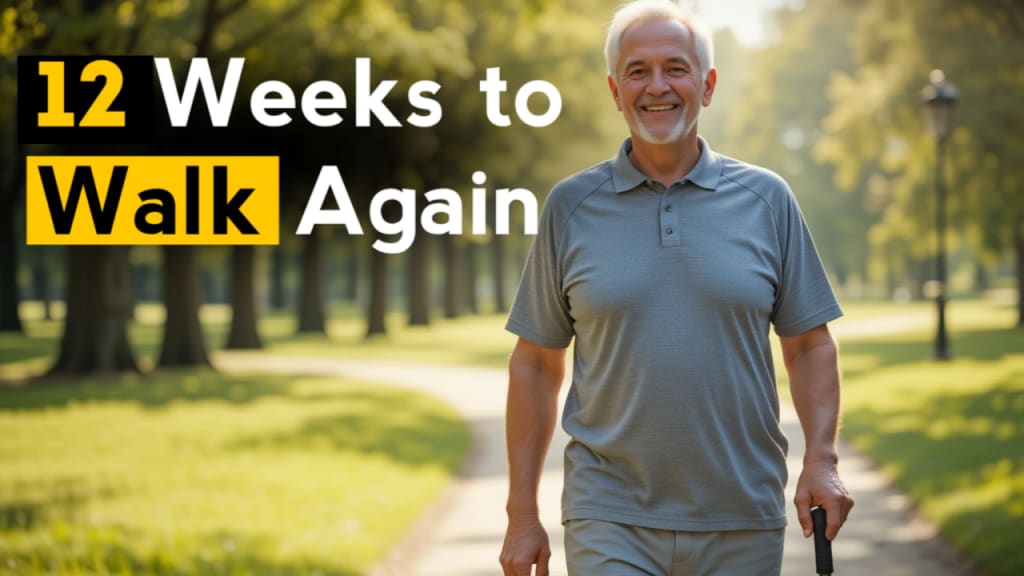
How I Dodged Knee Surgery—And Walked Pain-Free Again After 12 Weeks
Written by Raza Iqbal
I still remember the way my right knee throbbed every time I tried to climb stairs. The pain was deep, stubborn, and had grown from a nagging discomfort to a full-blown problem that interrupted every part of my daily life. At 49, I wasn't ready to accept that knee surgery might be in my near future. But that’s exactly what the orthopedic specialist suggested: arthroscopic surgery, followed by six months of recovery. I walked out of that clinic both terrified and determined to find another way.
Spoiler alert: I did. And today, twelve weeks later, I walk without pain, hike with my son again, and even jog occasionally. Here’s how I got there.
Week 1-2: Facing the Diagnosis and Doing My Research
After my doctor told me that my knee showed signs of early osteoarthritis and a torn meniscus, I went home and cried. For years I’d prided myself on staying active—walking, biking, gardening. The thought of surgery, and losing my independence even temporarily, was terrifying. So I did what I always do when I’m afraid: I researched.
I looked into success rates for knee surgeries, and found that while many people recover well, complications and long recovery times are common. I also discovered countless stories of people who had delayed or even avoided surgery with physical therapy, diet changes, supplements, and alternative treatments.
I decided to give myself three months to try a completely natural and non-invasive approach. If I didn’t see any improvement, I’d reconsider surgery. But I wanted to try.
Week 3-4: Physical Therapy and the Power of Movement
I scheduled a session with a physical therapist who specialized in joint rehab. She told me something I’ll never forget: "Movement is medicine. The right kind of movement can heal." For someone who had been limping and sitting for days, those words gave me hope.
We focused on strengthening the muscles around my knee—specifically the quads, hamstrings, and glutes. I started with basic exercises: clamshells, leg lifts, step-ups, and wall sits. Every rep felt difficult. But by the end of Week 4, something changed: I could walk up the stairs without wincing.
I began daily stretching routines as well, especially focusing on hamstrings and calves, to relieve pressure on my knee joint.
Week 5-6: Nutrition and Supplements
After diving deep into the connection between inflammation and joint pain, I started adjusting my diet. I cut out processed sugar, refined carbs, and most dairy. Instead, I filled my plate with anti-inflammatory foods: salmon, leafy greens, turmeric, ginger, blueberries, olive oil, and walnuts.
I also started taking supplements:
Glucosamine and chondroitin
Collagen peptides
Turmeric with black pepper extract
Omega-3 fish oil
To be clear, I didn’t expect miracles—but within two weeks, I noticed that my knee didn’t ache as much when I first woke up. The morning stiffness was easing.
Week 7-8: Heat, Cold, and Hydrotherapy
My physical therapist introduced me to contrast therapy: alternating heat and cold compresses. I applied a cold pack for 10 minutes, followed by a heating pad for another 10. This helped reduce inflammation and increase blood flow to the area.
I also began hydrotherapy at a local rehab pool. Exercising in water took the pressure off my knee, while still allowing me to move and strengthen the joint. Aqua jogging, leg lifts, and balance exercises became my new favorite part of the week.
Week 9-10: Addressing Posture and Alignment
What surprised me most was learning how poor posture and body mechanics contributed to my knee problems. My therapist noticed that my hips tilted slightly when I walked, putting extra stress on the right knee. We worked on correcting that.
I became hyperaware of how I sat, stood, and even got out of bed. I swapped my office chair for a kneeling chair, added orthotic insoles to my shoes, and practiced mindful walking—engaging my core, relaxing my shoulders, and moving evenly.
Week 11-12: Rebuilding Confidence and Returning to Life
By Week 11, I was hiking again. Slowly, cautiously, but with strength I hadn’t felt in months. I could squat to pick something up without bracing myself. I no longer feared the sharp pain that once accompanied sudden movements.
My physical therapist and I reviewed my progress. I had regained 90% of my mobility and strength. More importantly, I trusted my body again.
Surgery was no longer on the table.
What Worked for Me
Consistency: Daily stretching, therapy exercises, and mindful movement added up.
Whole-body approach: I didn’t just treat my knee—I treated my habits, nutrition, mindset, and posture.
Professional guidance: A good physical therapist was key. Don’t skip this step.
Listening to my body: I learned to differentiate between discomfort and pain, and adjust accordingly.
Final Thoughts
Every body is different. What worked for me might not work for everyone. But I believe we owe it to ourselves to explore every option before surrendering to surgery.
Twelve weeks ago, I could barely walk without bracing on the walls. Today, I walk freely and joyfully. If you’re facing the possibility of surgery, maybe give yourself time to try a different path first. You might just walk out stronger than you imagined.
About the Creator
Keep reading
More stories from Moonlit Letters and writers in Psyche and other communities.
Top tipple tricks
Been thinking a lot about drinking, lately. Not least because of a recent episode of over-indulgence and the inevitable after effects. Some readers may recall the earlier articles I wrote about beating the booze. Here I set out an experiment in techniques for cutting down on my alcohol intake. The experiment was successful, the techniques worked, and I have armed myself with an arsenal of weapons in the war against the demon drink. I have yet to fire the first round however. It's all a question of timing (perhaps procrastination).
By Raymond G. Taylor6 days ago in Psyche
Hottest in the Office
Dear Rafi, You’re very distracting to work around. For the first second I saw you the other day, I thought you were some type of executive. It took a moment to realize no, you were just the new guy, dressed up for the job he wants. Be still, my heart.
By Gabriel Shames5 days ago in Pride




Comments
There are no comments for this story
Be the first to respond and start the conversation.