
How Gratitude Changes Your Brain and Boosts Mood
Discover How Practicing Gratitude Rewires Your Brain, Reduces Stress, and Lifts Your Mood Naturally

Gratitude is often dismissed as a feel-good idea—something polite people say before a meal or when receiving a gift. But science paints a far more compelling picture.
Far from being a shallow social gesture, gratitude is a powerful psychological tool that reshapes the brain, influences emotional states, and strengthens resilience. It isn’t just about feeling thankful in the moment.
Practiced consistently, gratitude creates measurable, lasting changes in how your mind operates and how you experience the world.
The Neuroscience of Gratitude
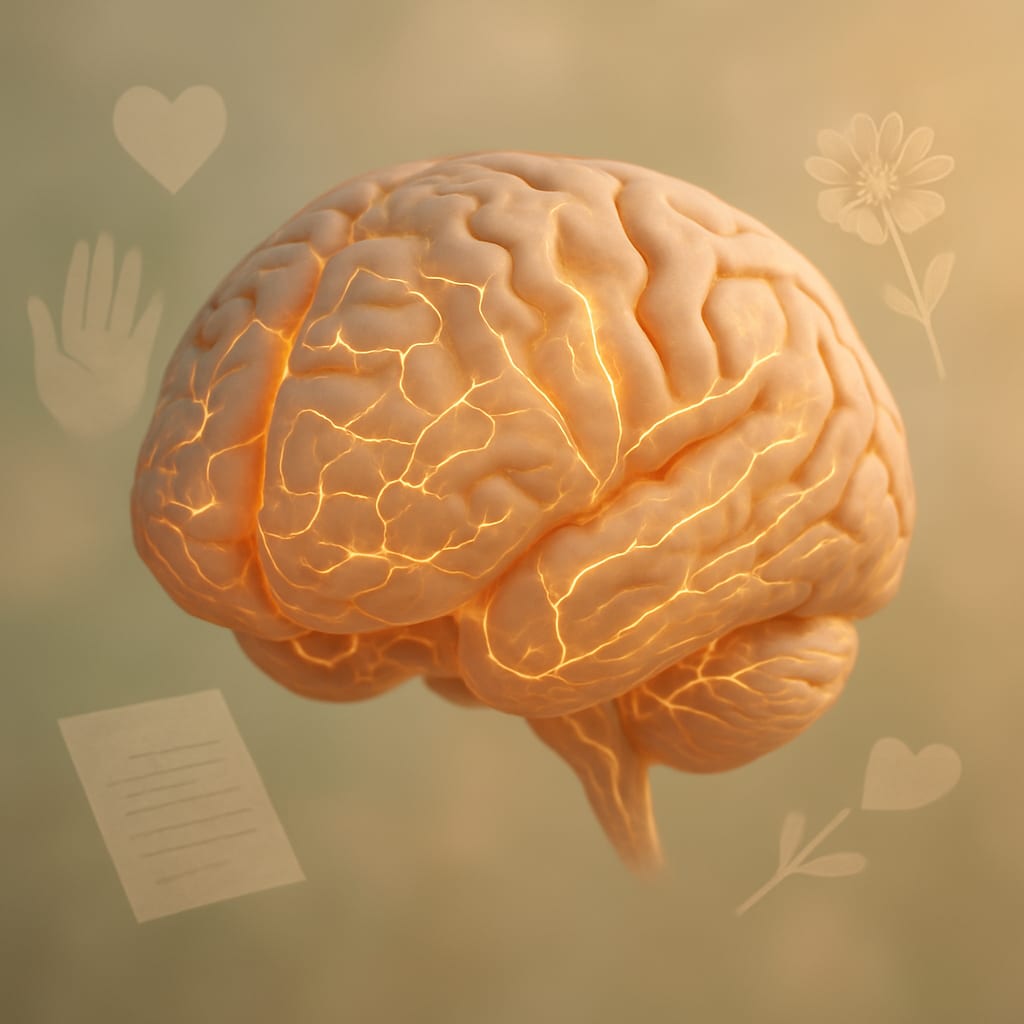
When you express gratitude, something remarkable happens beneath the surface. Functional MRI studies reveal that practicing gratitude activates regions of the brain linked to reward, empathy, and emotional regulation—primarily the prefrontal cortex and anterior cingulate cortex. These areas help you process emotions, control impulses, and focus attention.
The act of acknowledging something positive—no matter how small—stimulates the brain’s dopaminergic pathways. Dopamine is the neurotransmitter associated with motivation and pleasure. This is why recognizing blessings, even during difficult times, can create a small but noticeable lift in mood.
Over time, repeated activation of these circuits makes it easier for your brain to notice and savor positive experiences, reducing the dominance of negative thought patterns.
Gratitude and the Brain’s “Negativity Bias”
Human brains are wired to notice threats. From an evolutionary perspective, focusing on danger kept our ancestors alive. This “negativity bias” means bad news grabs attention more easily than good news. Left unchecked, it can lead to chronic stress, anxiety, or even depression.
Gratitude interrupts this bias. Each time you consciously identify something to appreciate, you challenge your brain’s automatic tendency to scan for what’s wrong.
With repetition, you rewire neural pathways so that noticing the good becomes as natural as spotting potential harm. This doesn’t mean ignoring problems—it means balancing your perception so life feels less overwhelming.
How Gratitude Boosts Mood and Emotional Health
The mood-enhancing effects of gratitude aren’t just psychological; they’re biochemical. Regular expressions of gratitude trigger the release of serotonin, a neurotransmitter that stabilizes mood and promotes a sense of well-being. Unlike a short-lived boost from external pleasures, gratitude offers a steady, sustainable elevation in emotional baseline.
People who keep a daily gratitude journal or make it a habit to acknowledge positive moments report lower levels of depression and anxiety.
Gratitude also strengthens emotional resilience, making it easier to recover from setbacks. This is because gratitude shifts mental focus from what’s missing to what’s present, helping to reduce feelings of scarcity and helplessness.
The Link Between Gratitude and Social Connection
Humans are social beings, and gratitude strengthens the bonds that keep communities—and relationships—thriving. When you express appreciation toward others, it activates brain regions linked to empathy and trust. This fosters deeper connections, reduces feelings of isolation, and increases mutual support.
Studies show that gratitude encourages prosocial behavior, meaning people who regularly practice it are more likely to help others, even when there’s no direct benefit to themselves. These acts of kindness create a reinforcing cycle: gratitude inspires connection, and connection fuels gratitude.
Training the Brain Through Gratitude Practices
Like physical exercise for the body, gratitude is a form of mental conditioning. You’re essentially training the brain to adopt a healthier default mode. This requires consistency, but not complexity.
Here are evidence-based ways to integrate gratitude into daily life:
- Gratitude Journaling: Write down three things you’re grateful for each day. Be specific and descriptive.
- Thank-You Letters: Express appreciation to someone in your life—past or present—even if you never send the message.
- Mindful Reflection: Spend a few minutes recalling a positive moment in vivid detail, focusing on the emotions it created.
- Gratitude Cues: Pair the practice with an existing habit, such as acknowledging something you appreciate each time you drink your morning coffee.
The goal is to create frequent, deliberate moments that activate gratitude pathways until they become second nature.
The Lasting Transformation
The most profound change gratitude offers is perspective. It doesn’t erase hardship, but it reframes it. A difficult period may still bring pain, but a grateful mindset can reveal the hidden lessons or moments of grace that coexist with struggle.
Over time, this perspective shift alters emotional responses, making challenges feel more manageable and victories more rewarding.
Neuroplasticity—the brain’s ability to reorganize itself—means your mental habits shape your future experience. By cultivating gratitude now, you’re laying down pathways that make optimism and contentment more accessible in the years ahead.
Gratitude is more than polite manners. It is a form of brain training, emotional nourishment, and social glue. Practiced consistently, it rewires your mind to notice beauty in the ordinary, find meaning in difficulty, and connect more deeply with the people around you.
The science is clear: when you nurture gratitude, you don’t just feel better—you think differently.
About the Creator
Richard Bailey
I am currently working on expanding my writing topics and exploring different areas and topics of writing. I have a personal history with a very severe form of treatment-resistant major depressive disorder.
Keep reading
More stories from Richard Bailey and writers in Psyche and other communities.
The Connection Between Sleep and Mental Wellness
Sleep is more than rest. It’s a powerful, active process that shapes the way your mind works, your emotions respond, and your body recovers. While most people recognize that too little sleep can make them groggy, the deeper truth is that consistent sleep patterns directly influence mental wellness on every level — from mood stability to emotional resilience, and even to long-term cognitive health.
By Richard Bailey5 months ago in Psyche
Do You have a Support Network?
Life is harder when you’re on your own. Human beings are social creatures, and we usually feel better when we have support from a strong social network around us. For most people, it’s our families that hold us together like glue.
By Elizabeth Woodsabout 7 hours ago in Psyche
Grok and the Quiet Anxiety Around Machines That Understand Us
For years, people imagined artificial intelligence as something distant and mechanical. It lived in movies, research labs, and tech conferences far removed from everyday life. Then tools like Grok appeared, and that distance began to shrink. Suddenly, a system could read questions, respond with humor or seriousness, and follow complex conversations in a way that felt unsettlingly human. Grok is not just another name in the growing list of AI systems. It represents a moment where curiosity meets unease. People are fascinated by what it can do, yet unsure about what it means. To understand Grok, we need to look beyond features and focus on the feelings, questions, and quiet worries it brings with it.
By Muqadas khan7 days ago in Psyche


Comments
There are no comments for this story
Be the first to respond and start the conversation.