
The Connection Between Sleep and Mental Wellness
Unlock the powerful link between quality sleep and emotional health, and discover how improving your rest can boost mood, focus, and long-term mental wellness

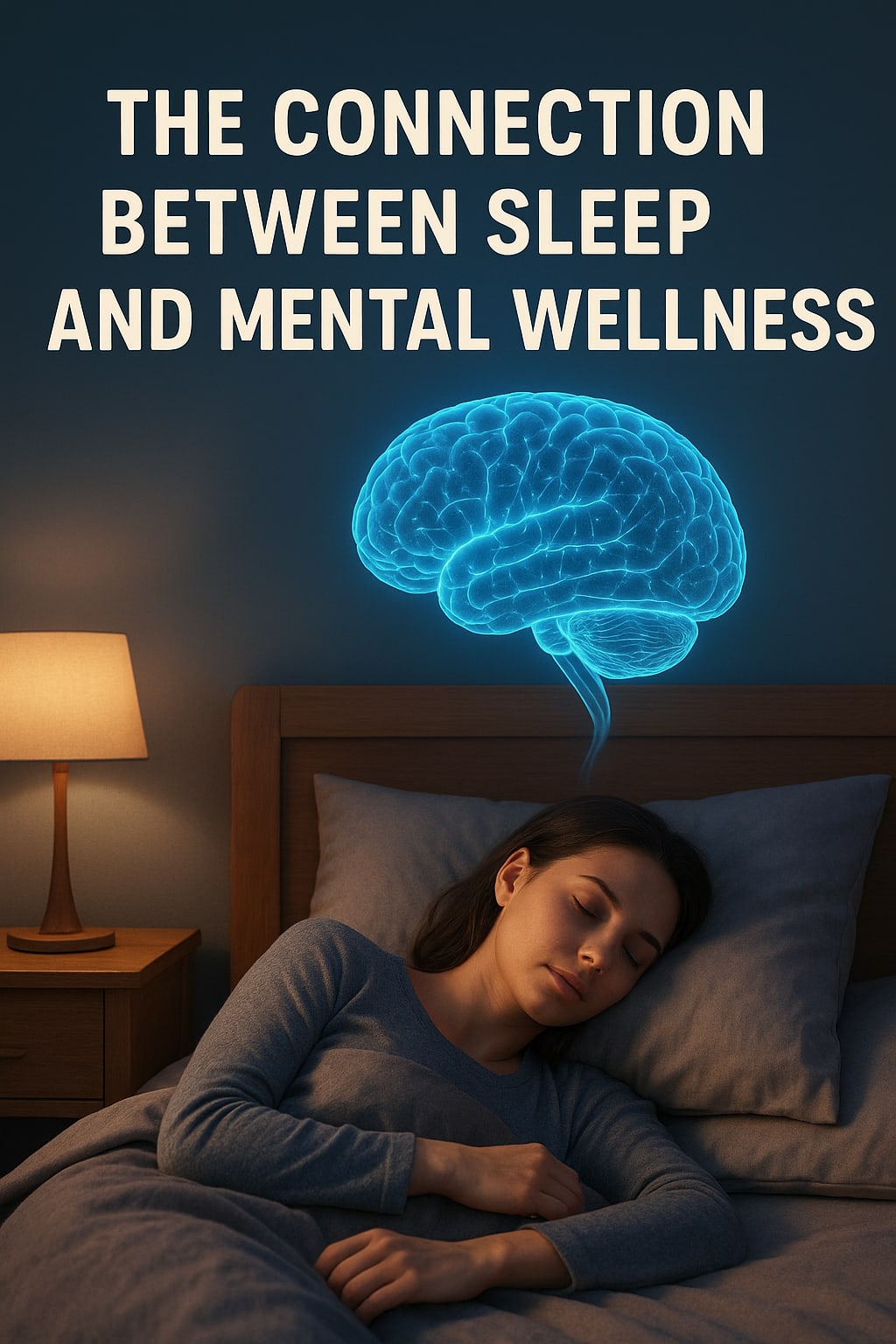
Sleep is more than rest. It’s a powerful, active process that shapes the way your mind works, your emotions respond, and your body recovers. While most people recognize that too little sleep can make them groggy, the deeper truth is that consistent sleep patterns directly influence mental wellness on every level — from mood stability to emotional resilience, and even to long-term cognitive health.
Why Sleep Is More Than “Shutting Down”
When you drift into sleep, your brain doesn’t simply power off. Instead, it moves through intricate cycles — light sleep, deep sleep, and rapid eye movement (REM) sleep — each with its own role in mental processing.
Deep sleep repairs the body, consolidates memory, and clears metabolic waste from the brain. REM sleep, often linked to vivid dreams, is crucial for emotional regulation and problem-solving.
Miss enough of these cycles and your brain begins to operate in survival mode. The result? A shorter temper, reduced focus, and an amplified stress response.
The Emotional Toll of Poor Sleep
Think back to the last time you faced a stressful day after a restless night. Chances are, small annoyances felt heavier, and minor setbacks hit harder.
This isn’t just coincidence — sleep deprivation disrupts the brain’s prefrontal cortex, the part responsible for rational decision-making, while over-activating the amygdala, the brain’s emotional alarm system.
Without adequate rest, your mind leans toward anxiety, irritability, and even hopelessness. Over time, chronic sleep loss can contribute to mood disorders such as depression and generalized anxiety disorder. The brain loses its buffer against daily stressors, making emotional balance harder to maintain.
How Sleep Shapes Mental Resilience
Mental wellness isn’t about avoiding stress altogether. It’s about the ability to recover from it. Quality sleep acts like an overnight therapist, helping you process the day’s experiences and separate genuine threats from imagined ones.
During REM sleep, the brain replays emotional events, stripping away some of the raw intensity so they can be stored as balanced memories instead of unresolved wounds.
The better your sleep, the stronger your emotional regulation. People who regularly achieve restorative sleep often handle conflict more calmly, adapt to change more quickly, and maintain stronger interpersonal connections.
The Two-Way Relationship Between Sleep and Mental Health
It’s a cycle — and sometimes, a vicious one. Poor mental health can disrupt sleep, while poor sleep can damage mental health.
Anxiety may keep your mind racing at night, and depression can alter sleep architecture, leading to early waking or excessive sleeping. Once sleep becomes irregular, these mental health challenges can intensify.
Breaking this cycle often requires addressing both at the same time — improving sleep hygiene while working on mental health strategies.
The Role of Stress Hormones
Cortisol, the body’s main stress hormone, follows a natural daily rhythm. It rises in the morning to help you wake and falls at night to prepare you for rest.
Sleep deprivation disrupts this rhythm, keeping cortisol levels elevated. High nighttime cortisol can cause racing thoughts, restless tossing, and an inability to enter deep sleep stages.
Over time, this hormonal imbalance not only impairs sleep quality but also fuels anxiety and emotional exhaustion.
Practical Steps to Strengthen the Sleep–Mental Health Link
While no single habit can fix both poor sleep and poor mental wellness overnight, small, consistent actions build powerful results:
- Protect your bedtime — Aim for a consistent sleep schedule, even on weekends, to stabilize your circadian rhythm.
- Create a wind-down ritual — Soft lighting, calm reading, or gentle stretching signals your brain to transition into rest mode.
- Limit screen exposure before bed — Blue light delays melatonin production, making it harder to fall asleep naturally.
- Mind your caffeine and alcohol intake — Both can interfere with sleep depth, even if you fall asleep quickly.
- Address stress during the day — Mindfulness practices, light exercise, and journaling can reduce the mental load you carry into the night.
Long-Term Mental Wellness Starts in the Bedroom
Your brain thrives on consistent, quality rest. Skipping sleep for productivity or entertainment might feel harmless in the moment, but the mental cost is cumulative. Restorative sleep strengthens emotional balance, improves focus, and builds resilience against life’s inevitable challenges.
In a culture that often glorifies late nights and endless hustle, prioritizing sleep isn’t laziness — it’s an essential act of self-care that safeguards your mental well-being.
About the Creator
Richard Bailey
I am currently working on expanding my writing topics and exploring different areas and topics of writing. I have a personal history with a very severe form of treatment-resistant major depressive disorder.
Keep reading
More stories from Richard Bailey and writers in Psyche and other communities.
10 Simple Daily Habits to Improve Mental Health
Mental health isn’t just the absence of illness. It’s a state of balance—where your thoughts, emotions, and energy support your ability to live fully. Yet modern life has a way of eroding that balance. Constant digital noise, endless to-do lists, and the subtle pressure to always “be on” can leave your mind feeling worn thin.
By Richard Bailey7 months ago in Psyche
The BAFTA Awards
By now, in a stunning departure from recent years, most of the world is aware of what happened at the BAFTA film awards. Social Media Headlines will tell you the bare bones: that John Davidson, a Tourette's Syndrome advocate, shouted a racial slur at two Actors of Colour, Michael B Jordan and Delroy Lindo.
By Natasja Rose7 days ago in Psyche
The 6 Hardest Life Truths You Already Know But Refuse to Face
Life has a strange way of teaching lessons we wish were not true. Deep down, most people already know some uncomfortable truths about life. Yet, instead of facing them directly, we distract ourselves with routines, entertainment, or false hopes. These truths are not meant to discourage you. In fact, accepting them can be incredibly freeing. When you stop denying reality, you gain clarity, resilience, and control over your life. Here are six of the hardest life truths most people already know—but often refuse to face.
By Shahid Zaman2 days ago in Psyche


Comments
There are no comments for this story
Be the first to respond and start the conversation.