
Exploring the Link Between PTSD and Panic Attacks
Understanding the Connection Between Trauma and Sudden Fear
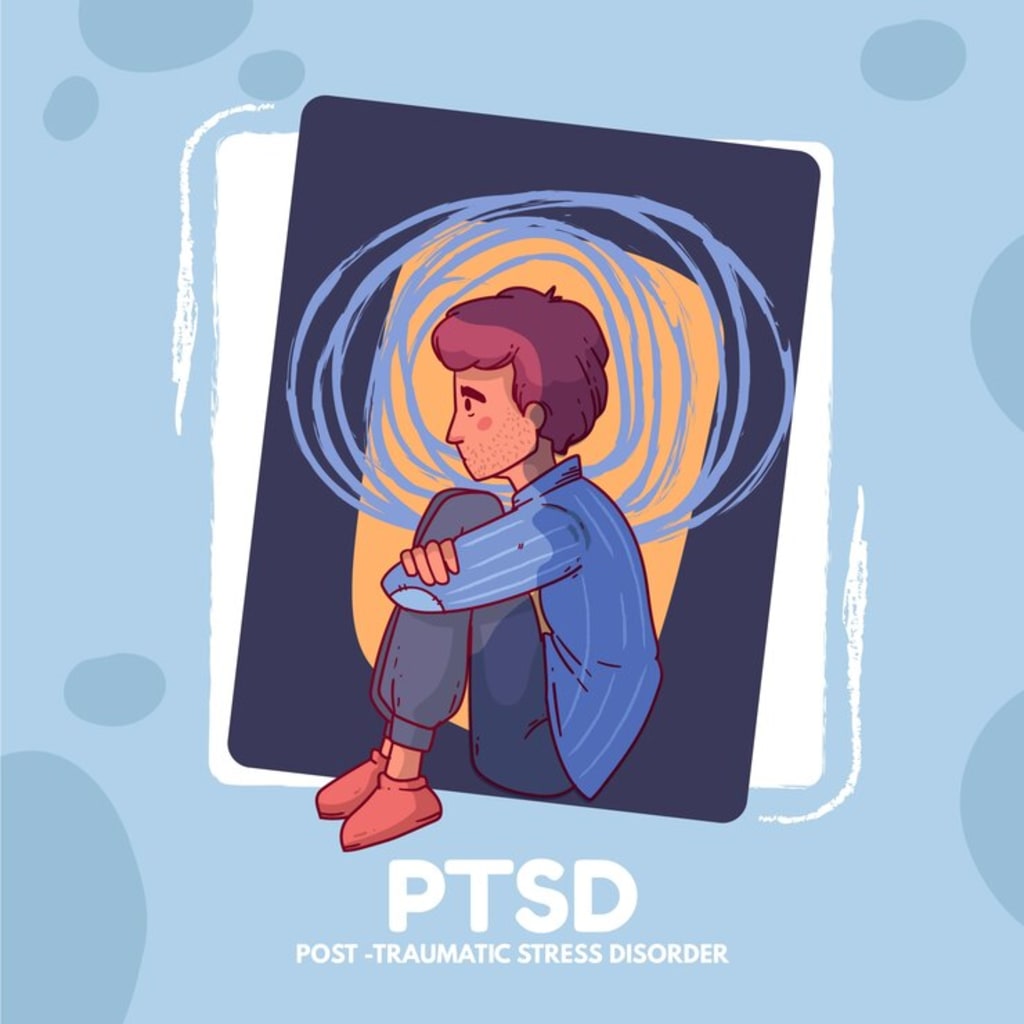
Post-Traumatic Stress Disorder (PTSD) and panic attacks are both mental health conditions that can deeply impact daily life. While they are different, they are often connected. Understanding this connection is important for finding the right support and treatment.
What Is PTSD?
PTSD is a mental health condition that develops after experiencing or witnessing a traumatic event. People with PTSD may have flashbacks, nightmares, or intrusive thoughts about the event. They might avoid places or situations that remind them of the trauma and experience heightened anxiety, anger, or fear.
What Are Panic Attacks?
Panic attacks are sudden episodes of intense fear or discomfort. They can happen without warning and often include physical symptoms like a racing heart, shortness of breath, sweating, or dizziness. Many people feel a sense of losing control or fear of dying during a panic attack.
How Are PTSD and Panic Attacks Linked?
People with PTSD often experience panic attacks. The traumatic memories and heightened anxiety associated with PTSD can trigger these intense episodes of fear. For example, a person with PTSD might have a panic attack when exposed to a trigger, such as a loud noise or a specific smell that reminds them of the trauma.
The link between PTSD and panic attacks highlights how the body’s fight-or-flight response can become overactive. This means the brain and body react as though the trauma is happening again, even when there is no real danger.
Recognizing the Symptoms
It can be hard to tell the difference between PTSD and panic attack symptoms. Here are some common signs to watch for:
PTSD Symptoms:
- Flashbacks or reliving the trauma
- Avoiding triggers or reminders
- Feeling on edge or easily startled
- Trouble sleeping or concentrating
- Panic Attack Symptoms:
- Rapid heartbeat or chest pain
- Feeling dizzy or faint
- Sweating or chills
- Fear of losing control
Why Is Treatment Important?
Living with PTSD and panic attacks can be overwhelming. Without help, these conditions may lead to issues like depression, substance abuse, or trouble maintaining relationships. Treatment can make a significant difference in managing symptoms and improving quality of life.
Treatment Options
Therapy: Cognitive Behavioral Therapy (CBT) is effective for both PTSD and panic attacks. It helps people identify and change harmful thought patterns.
Medication: Antidepressants or anti-anxiety medications can help reduce symptoms.
Relaxation Techniques: Deep breathing, meditation, or yoga can help calm the mind and body.
Support Groups: Talking with others who understand your experiences can provide comfort and new coping strategies.
How to Help Yourself or Someone Else
If you or someone you know is dealing with PTSD and panic attacks, take small steps toward healing:
- Learn about PTSD and panic attacks to understand the conditions better.
- Avoid triggers when possible, but seek professional help to address them in a safe way.
- Practice self-care, like getting enough sleep, eating well, and exercising.
- Encourage open communication and offer support without judgment.
Final Thoughts
The link between PTSD and panic attacks can feel overwhelming, but you are not alone. With the right tools and support, it’s possible to manage symptoms and regain control of your life. Reach out to a mental health professional to start your journey toward healing.
FAQs
1. Can PTSD cause panic attacks?
Yes, PTSD can trigger panic attacks. Traumatic memories or specific triggers can activate the body’s fight-or-flight response, leading to intense fear or discomfort.
2. How can I tell if I’m having a panic attack or experiencing PTSD symptoms?
Panic attacks usually involve sudden physical symptoms like a racing heart or dizziness, while PTSD symptoms often include flashbacks, avoidance, and hypervigilance. A mental health professional can help differentiate the two and suggest treatment.
Tags:
#PTSD
#PanicAttacks
#MentalHealthSupport
#TraumaRecovery
#AnxietyHelp
About the Creator
Sophia Allen
I’m a dedicated mental health writer with over a decade of experience crafting easy-to-understand content that empowers readers to prioritize their well-being..
Keep reading
More stories from Sophia Allen and writers in Psyche and other communities.
OCD test for Teens
Obsessive-Compulsive Disorder (OCD) is a condition that affects people of all ages, including teenagers. For teens, OCD can interfere with school, relationships, and daily life. This article provides a simple guide to understanding OCD, recognizing symptoms, and using tests to identify the condition in teens.
By Sophia Allenabout a year ago in Psyche
The BAFTA Awards
By now, in a stunning departure from recent years, most of the world is aware of what happened at the BAFTA film awards. Social Media Headlines will tell you the bare bones: that John Davidson, a Tourette's Syndrome advocate, shouted a racial slur at two Actors of Colour, Michael B Jordan and Delroy Lindo.
By Natasja Rose6 days ago in Psyche
Premium vs Budget Tarot Readings: What the Price Actually Buys
What separates a premium tarot consultation from a budget one? The core difference lies in three measurable service variables: session duration (10–20 minutes vs 40–60 minutes), pre-session case preparation by the practitioner, and post-session follow-up availability — as observed on direct-connection platforms like Astroideal.com that operate without intermediary agencies.
By Enrique Martinez7 days ago in Psyche
Bomb Scare
It was 2027, and the world never thought it would happen. A missle hit the United States, but it wasn't where they had anticipated. A little town in the northeast was hit by a missile strike, they didn't know why, and they didn't know exactly where it hit, but they did know it was a coastal community, somewhere between Maine and Delaware.
By Gregory Payton4 days ago in Fiction


Comments
There are no comments for this story
Be the first to respond and start the conversation.