

Many people have had an episode of deep depression, nearly always precipitated by a traumatic event in their lives. For a brief period in their long lives, they get totally knocked out by life. These people describe these episodes as some of the darkest days of their lives. They shudder when asked to talk about it and almost all are brought to tears when recounting their days of depression. For some, it was a shock to know that there could be such a dark place in their own minds. Some have even described it as being as close to hell as they ever want to get. They are permanently scarred by this encounter with severe depression and never want to be in that place again. Welcome to my neighborhood. This is where I have lived my entire life.
Nearly every human being has, at one time or another, experienced the feelings (or symptoms) associated with Depression, however, not every human being has Depression with a capital "D". Almost everyone knows someone who has Depression with a capital "D", although they may not know who it is. And those that definitely know someone who has Depression, may not know what to do during the depressive episodes, particularly if they are long term (greater than 3 months, or seemingly constant.)
To begin with, the following terms are not synonymous for one another:
- the blues
- the mean reds (*see Breakfast at Tiffany's with Audrey Hepburn)
- in a “funk”
- sadness
- grief
- mourning
- hopelessness
- Seasonal Affective Disorder (SAD) or Winter Blues
- depressed
- having Depression
Each of these describes a completely different condition of a person’s physical and mental state and feelings at a given moment, although a person can have several of these coincidentally. I realize that those last two seem to be the same thing, but please note, one is a capital D depression and should be reserved only for the chronic medical condition, Major Depressive Disorder (MDD). MDD is depression with a capital D. Chronic, treatment-resistant Depression is depression with a capital D. If we could get doctors to quit diagnosing temporary, short-term, once-in-a-blue-moon depressed states as Depression, it would help immensely. But they don’t differentiate, neither, it seems, do the medical journals or those helpful little reports on “depression” on the nightly news that give helpful advice like “get more exercise or try getting out more.” These are not helpful to the person with Medical Depression whose first thought upon waking is, "How do I get off this planet?" Medical Depression is like being haunted by a ghost that follows you everywhere, corrupting every thought with self-loathing and hopelessness.
For the record, I have tried walking off my depression, six miles and totally blistered feet later, guess what, I was still depressed. I have ridden miles on my bike, tears chapping my face in the wind. I have tried yoga, only to find myself starting to cry when I do the deep breathing exercises. I attempt meditation as often as possible, but find that I either can't stop the mental noise for any length of time, or I fall asleep—great for catching up on lost sleep, not so great for calming the mind and clearing mental clutter. It is nice when somebody offers a suggestion out of true concern, however, those who offer cheap advice because they do not understand the illness are just patronizing the Depressed person and invalidating their reality.
An intelligent person wouldn’t tell a person with diabetes in diabetic shock to “have a cookie and get over it.” Nor would a sane person say to someone with Multiple Sclerosis, “Quit playing the victim! Get out of that wheelchair and walk!” And yet, for over 45 years I’ve had people say similar things to me because I have a genetic anomaly that creates a chemical imbalance in my brain that causes chronic and severe Depression.
I also had an anomaly in my heart that caused tachycardic rhythms, which is an acceleration of the heartbeat to about 170 beats per minute sitting down. People who were around while it was happening didn’t treat me like I was crazy or feeling sorry for myself when those episodes occurred; instead, they were terribly, and even overly concerned. I was able to get surgical treatment for the condition, so I no longer have to keep emergency pills on hand to stop the palpitations. Everyone is relieved it was able to be fixed.
More than just a bout of the blues, depression isn't a weakness, nor is it something that you can simply "snap out" of. Depression is a chronic illness that usually requires long-term treatment, like diabetes or high blood pressure. But don't get discouraged. Most people with depression feel better with medication, psychological counseling or other treatment.
Depression is a medical illness that involves the mind and body. Also called major depression, major depressive disorder and clinical depression, it affects how you feel, think and behave. Depression can lead to a variety of emotional and physical problems. You may have trouble doing normal day-to-day activities, and depression may make you feel as if life isn't worth living. “ –Mayo Clinic
Note that this definition says most people will feel better with medication, counseling, or other treatment. It does not elaborate on those that don’t feel better with medication, or who feel better at first, but then eventually find the medication is no longer working as well or at all. They also don’t mention all the complications of having medical Depression or the risks of the “cures”. Most of the medications prescribed for depression cause nausea, short-term memory loss, dizziness, mental confusion, blurred vision, and on and on. So now you have to be sure that the cure isn’t at least as bad as the illness. At any rate, you are still not functioning “normally”. It makes one wonder what doctors define as “normal”. Finding the right combination of medicines that will keep me level took five years. Five years where I cried every day for most of the day. Five years of being a guinea pig testing this drug and that only to find that some made it worse, some traded out the severe depression with acute anxiety, some made me numb but not relieved. Eventually, I was able to get a combination that has made my life "normal" for the last four years, even during this Covid-19 pandemic.
Doctors also suggest counseling, which I have found to be extremely helpful in dealing with the dysfunctional life created by having Depression. I would not give that up, however, when I’m having a depressive episode, counseling is of small value during the episode and does nothing to actually prevent the next episode despite the best intentions and efforts of the counselor.
As to non-drug alternative treatments, there is Electric Shock Therapy also known as Electro Convulsive Treatment (ECT). While horrific visions from “One Flew Over the Cuckoos Nest” may float through your head, these days it is actually a much more humane and viable option. Many people think this approach would be extreme, but when nothing else works you’d be surprised at how reasonable this solution sounds.
The Mayo Clinic describes the ECT therapy of a patient: “[She]has ECT every month to stop symptoms from coming back. First, she has a mental and physical exam. Next, she gets an IV sedation that will put her to sleep and relax her muscles. Then, she has electrodes attached to her temples. When all is ready, a small electrical current painlessly runs through her brain and resets broken circuits.
Side effects of ECT include slight memory loss and fatigue on the day of treatment. Most people receive ECT three days a week for two or three weeks to stop symptoms, then have monthly maintenance treatments to avoid recurrence. ”
Magnetic or Electronic Brain Implants, where neurosurgeons implant a small electric impulse generator in the patient’s brain which sends out mild electrical impulses. These implants are a milder form of ECT but obviously more invasive as it does involve cutting a hole in one’s skull.
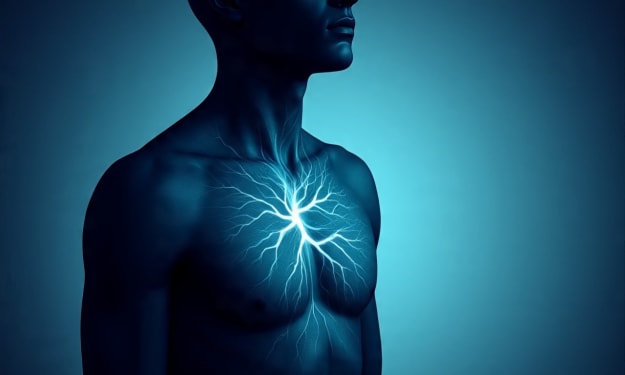
There is also a relatively new arrival of Vagus Nerve Stimulators in which an electrical pulse device is implanted in the chest, which sends an electric signal to the patient’s Vagus nerve. Obviously these are invasive or at least last-resort options and finding doctors who know about this, much less ones who can perform the procedure, is like looking for a diamond in a blizzard.
Depression with a capital D is rarely a response to external stimuli, other than something triggering it unconsciously. It is a brain malfunction and those afflicted require understanding and compassion, as you would give to someone with cancer. When in doubt about what to do for your Depressed friend or family member, take a casserole and leave out the suggestions meant for someone having a bad week.
Next Installment: Why Don't They Have "Find The Cure" Races for Depression?
About the Creator
Keep reading
More stories from Anne Humphrey and writers in Psyche and other communities.



Comments
There are no comments for this story
Be the first to respond and start the conversation.