
Concepts and types of stress in psychology
Stress? What are its types? See how to measure stress and how to deal with it.

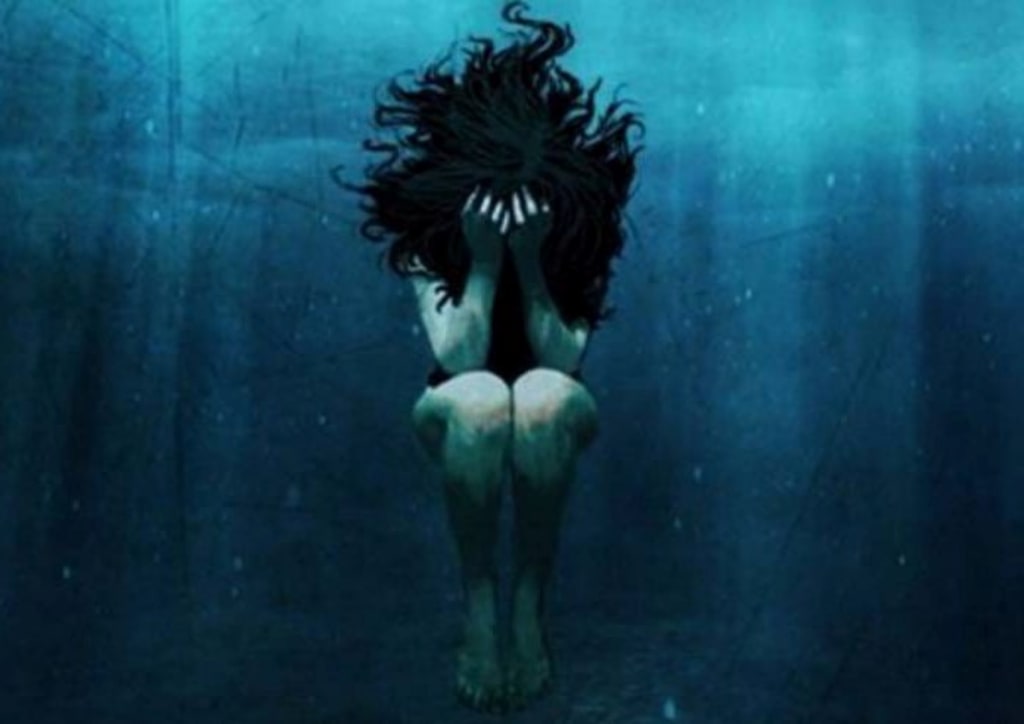
What are the main types of stress? See types of stress according to psychological concepts of stress. Learn about the effects of eustress and distress on the body and the three phases of stress according to Hans Selye.
The concept of stress has been present in the scientific literature since the 1950s. Stress is the process by which environmental factors threaten or upset the body's balance and by which the body responds to the threat.
Environmental factors in scientific nomenclature are called stressors. Stressors activate the body's defense mechanisms and affect the psychological and physiological functioning of the individual.
Stress has a significant impact on human health, which is why it has become an object of interest for scientists in the 20th and 21st centuries.
See the most popular concepts and types of stress in psychology.
There are two main types of stress. Positive stress - Eustress and negative stress - Distress. For the first time, the types of stress were defined by the physiologist Hans Selye. He developed the definition of stress and GAS theory, which is described as one of the psychological concepts of stress in this article.
Stress can also be classified by its nature. In this case, we distinguish three types of stress: acute stress, chronic stress and traumatic stress.
Acute stress is a reaction to a sudden threat to the body. It can be a physical, psychological or economic stimulus. The threat can be real or imagined.
The second type of stress is the result of long-term stressors. With chronic stress, there is a constant psychophysical tension, reduced ability to regenerate and general exhaustion.
Traumatic stress, on the other hand, is the body's reaction to situations that threaten the loss of life or health. Most often it is a strong reaction at the physiological level, accompanied by shock and strong agitation.
The definition of stress was introduced by the physiologist Hans Selye as "a non-specific response of the body to a demanding situation".
Selye defined the phenomenon of stress using the GAS (General Adaptation Syndrome) model he created, in which he presented three phases of stress:
- the alarm phase, which has been separated into two phases; the shock phase and the phase of counteracting the shock, including the direct impact of environmental factors and the body's defensive reactions in order to repel the threat or avoid it,
- adaptation phase, where relative adaptation of the body takes place, and the symptoms appearing in the first phase disappear,
- phase of exhaustion arising as a result of the body's failure to adapt to chronic stress and the breakdown of resistance to the stressor
The model presented by Hans Selye determines the operation of the so-called "distress". However, in the adaptation phase, as well as in the exhaustion phase, there are individual reactions of the body.
Some people may experience full mobilization of the body to act, while others may experience general exhaustion.
The key factor is how the individual perceives the situation, as this has a significant impact on the body's response to stress.
Accordingly, Selye coined the term "eustress", which is responsible for the positive effects of stress. Eustress is defined as a state of contentment and joy.
The so-called "good stress" mobilizes a person to effort and life achievements. It is desired by our body because the optimal level of stress is conducive to learning.
Another example is Walter Cannon's "fight or flight" model (1967). In Cannon's concept, stress is the effect of stimulating two systems located in the adrenal glands. One of the systems increases the secretion of cortisol, which causes more protein and fat burning.
The latter system, on the other hand, is activated by stimulation of the sympathetic nervous system and activates the adrenal medulla, which then secretes adrenaline and norepinephrine.
The body's reaction to the stimulation of these two systems is increased blood flow in the body and increased physical and mental activity, which enable the individual to react faster to danger.
It is an adaptive mechanism that occurs instinctively. It does not involve consciousness and limits the use of cognitive abilities. The body's reaction is immediate and occurs in a fraction of a second. Long-term secretion of these hormones can lead to exhaustion of the body or even death.
In the concept of Jan Strelau, the stress reaction occurs when there is an imbalance between the possibilities and the requirements for the individual. It appears provided that there is an individual's motivation to resist the stressful situation.
An individual's ways of coping with stress are conditioned by factors such as intelligence, personality traits, temperament, as well as health status and experience related to a stressful situation.
In the concept of Holmes and Rahe (1967) covering the scale of 43 most stressful life events, death of a spouse, divorce and separation are on the podium.
Stress can be caused by many factors, which can be different for each person. As with the previous concepts, it depends on the person's perception of the situation.
- Death of a loved one - 100
- Divorce - 73
- Separation from partner - 65
- Stay in prison - 63
- Death of a close family member - 63
- Injury or infection - 53
- Wedding - 50
- Dismissal - 47
- Reconciling with your spouse - 45
- Retirement - 45
- Health problems of a family member - 44
- Getting pregnant - 40
- Sexual problems - 39
- Appearance of a new family member (birth, adoption, etc.) - 39
- Starting a new job - 39
- Significant change in property status (for better or worse) - 38
- Death of a loved one - 37
- Change of job or position - 36
- Significant change in the relationship with the partner (quarrels, bad habits, etc.) - 35
- Mortgage - 31
- Call for return of borrowed funds - 30
- Change of duties at work (promotion, demotion, etc.) - 29
- Leaving the family home by children - 29
- Family problems - 29
- Exhaustion - 28
- Starting or ending work by a partner - 26
- Commencement or completion of education - 26
- Change of living conditions (moving, renovation, new neighbors, etc.) - 25
- Changing personal habits (quitting smoking, new friends) – 24
- Problems with the boss - 23
- Changes in working conditions or hours - 20
- Change of residence - 20
- Change of school - 20
- Other frequency and way of spending free time - 19
- Variable intensity of religious practices - 19
- Variable frequency of social contacts (clubs, meetings, etc.) - 18
- Taking a loan (car, fridge, laptop, etc.) - 17
- Changing the frequency and duration of sleep - 16
- Significant change in the number of family members at meetings - 15
- Changing eating habits - 15
- Going on vacation - 13
- Holidays - 12
- Violation of the law (exceeding the speed limit, disturbing the peace of the night, etc.) - 11
Stress Scale Calculation - Social Readjustment Rating Scale (SRRS) Questionnaire:
Obtaining points per year determine the level of experienced stress. Holmes and Rahe distinguished three stress zones that may lead to the appearance of the disease in the future. The value of the points obtained is a statistical relationship between stressors and the possibility of developing a serious illness.
150-199 stress units = 37% chance of disease in the next 2 years
200-299 stress units = 51% chance of disease in the next 2 years
more than 300 stress units = 79% chance of getting sick in the next 2 years
Today, society is more exposed to stress than it was a few decades ago. However, the scale of occurrence of this phenomenon is so large that knowledge about stress is more deeply rooted in people's consciousness.
According to a study conducted among employees of Yale University as part of the Northwestern National Life, stress at work is a common phenomenon.
Surveys showed that 40% of people found their work extremely stressful, while 29% of those surveyed said that they felt work-related stress. Nevertheless, positive stress has a beneficial effect on the development of the individual, and knowledge about the stimulation and prevention of stress is still in development.
In research on stress, it has been proven that it is the cause of many diseases, including skin diseases, heart diseases, gastric problems and musculoskeletal disorders.
In addition, stress weakens the immune system, increasing the chances of contracting various types of infections and even cancer.
The effects of stress are also visible in various types of behavior such as smoking, alcohol consumption, sleep disorders and problems in professional functioning.
About the Creator
Usagi Octarine
I have been chronically ill since birth, 4 years ago I lost my ability to work, I am dependent, life is torture. This profile is an attempt to make money online.
Keep reading
More stories from Usagi Octarine and writers in Psyche and other communities.
Is it possible to test the sense of coherence?
Coherence is a concept we come across when we become interested in psychology. It means the ability to adapt to the changes that await us. The higher the sense of coherence, the more confident we feel. Thanks to this, changes will not surprise us and we will approach them in a prudent and rational way. Coherence has a strong relationship with our health, well-being and mental comfort. It can also mean how we deal with stress and how we perceive it. As you know, in our lives there are many different events and experiences, and some of them are unpleasant and negative (e.g. sudden job loss, serious illness, violence, assaults, burglaries, etc.). Everything will be decided by our individual predispositions, so it's worth leaning over them a bit.
By Usagi Octarine3 years ago in Psyche



Comments
There are no comments for this story
Be the first to respond and start the conversation.