
Breathing Exercises to Instantly Reduce Stress
Simple Breathing Techniques to Calm Your Mind, Lower Stress, and Boost Well-Being in Minutes

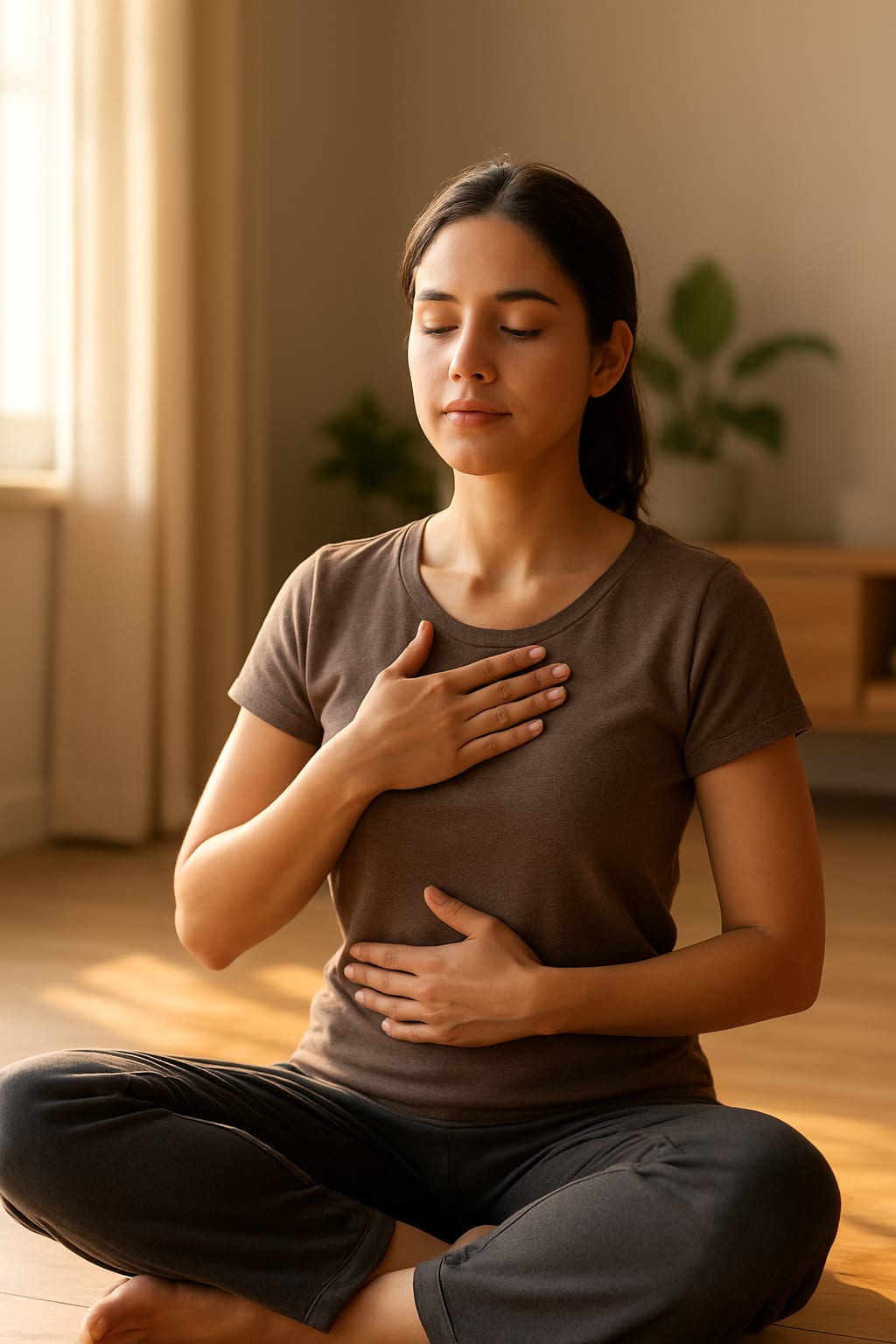
Stress can hit at any moment—during a meeting, in traffic, or even while scrolling through your phone late at night. When it does, your heart rate climbs, your muscles tense, and your mind races. While stress is an unavoidable part of life, how you respond to it can transform your mental and physical well-being.
One of the simplest yet most powerful tools at your disposal is your breath. Breathing exercises can activate the body’s relaxation response in seconds, easing tension and restoring calm.
In this article, you’ll discover scientifically backed breathing techniques, the reasons they work so quickly, and how to apply them in real-life situations for instant stress relief.
Why Breathing Affects Stress So Strongly
When stress strikes, the body shifts into “fight or flight” mode. Your sympathetic nervous system pumps out stress hormones like cortisol and adrenaline.
This response evolved to help humans survive danger, but in modern life, it often misfires—triggering over deadlines instead of predators.
Breathing is the only bodily function that operates both automatically and under conscious control. This means you can deliberately change your breath to send signals to your nervous system, telling it to switch from high alert to rest-and-digest mode.
Deep, slow breaths activate the parasympathetic nervous system, lowering heart rate, reducing muscle tension, and quieting the mind.
The Science Behind Stress-Reducing Breathwork
Controlled breathing works by balancing oxygen and carbon dioxide levels in the blood, improving heart rate variability, and calming overactive brain regions. Research shows that even a few minutes of intentional breathing can lower blood pressure, improve mood, and enhance focus. What’s remarkable is the speed—benefits can begin within 60 seconds.
Breathing exercises also anchor your attention. By focusing on the rhythm of inhaling and exhaling, your mind is pulled away from anxious thoughts and into the present moment.
Breathing Exercises to Reduce Stress Instantly
1. Box Breathing (Four-Square Breathing)
Used by Navy SEALs to maintain composure under pressure, this method is simple yet powerful.
- Inhale through the nose for 4 seconds.
- Hold the breath for 4 seconds.
- Exhale slowly for 4 seconds.
- Pause for 4 seconds before the next inhale.
Repeat for four to six cycles. This structured pattern creates a meditative rhythm that quickly steadies the nervous system.
2. 4-7-8 Breathing
Popularized by Dr. Andrew Weil, this technique works like a natural tranquilizer for the body.
- Inhale through the nose for 4 seconds.
- Hold the breath for 7 seconds.
- Exhale through the mouth for 8 seconds.
The extended exhale activates relaxation pathways, making it especially helpful before bed or during moments of high anxiety.
3. Diaphragmatic Breathing (Belly Breathing)
Most people breathe shallowly into the chest, which fuels tension. Diaphragmatic breathing reverses this pattern.
- Place one hand on your chest and one on your belly.
- Inhale deeply through the nose, letting the belly rise while keeping the chest still.
- Exhale slowly, feeling the belly fall.
Practicing for just two minutes can significantly slow the heart rate and ease stress symptoms.
4. Alternate Nostril Breathing (Nadi Shodhana)
This ancient yogic practice balances the body’s energy and clears mental fog.
- Sit comfortably.
- Close your right nostril with your thumb.
- Inhale through the left nostril.
- Close the left nostril with your ring finger, release the right nostril, and exhale.
- Inhale through the right nostril, then close it and exhale through the left.
Continue for 5–10 cycles. This method promotes deep relaxation and sharpens focus.
5. Resonance Breathing (Coherent Breathing)
This technique aims for a steady breathing rate of about 5–6 breaths per minute.
- Inhale for 5.5 seconds.
- Exhale for 5.5 seconds.
Keeping the breath smooth and even helps regulate the autonomic nervous system and promote emotional balance.
When to Use These Techniques
You don’t need a quiet room or meditation cushion to practice. These exercises can be done almost anywhere:
- Before a big presentation to steady your voice and clear your head.
- In traffic to prevent frustration from escalating.
- During a tense conversation to remain calm and clear-minded.
- At bedtime to release lingering tension and prepare for restful sleep.
Tips for Getting the Best Results
Consistency Matters – The more you practice, the faster your body responds.
Pair With Posture – Sit or stand tall to allow full lung expansion.
Avoid Strain – If holding the breath feels uncomfortable, shorten the count.
Stay Mindful – Focus on each inhale and exhale to keep your mind anchored.
Breathing exercises are not just a temporary fix—they can rewire how your body responds to stress over time. With regular use, you may notice fewer spikes in anxiety, better sleep, and a more centered approach to daily challenges. The best part? This tool is free, always available, and takes only seconds to use.
The next time stress creeps in, pause. Close your eyes. Breathe with intention. You might be surprised at how quickly calm returns.
About the Creator
Richard Bailey
I am currently working on expanding my writing topics and exploring different areas and topics of writing. I have a personal history with a very severe form of treatment-resistant major depressive disorder.
Keep reading
More stories from Richard Bailey and writers in Psyche and other communities.
The Link Between Diet and Anxiety: What to Eat and Avoid
Anxiety is often painted as a purely mental struggle, but science tells a deeper story. The brain and body are in constant communication, and the food you eat becomes a major part of that conversation. While medication, therapy, and lifestyle changes all play important roles, your diet can either ease anxiety’s grip or tighten it.
By Richard Bailey7 months ago in Psyche
The BAFTA Awards
By now, in a stunning departure from recent years, most of the world is aware of what happened at the BAFTA film awards. Social Media Headlines will tell you the bare bones: that John Davidson, a Tourette's Syndrome advocate, shouted a racial slur at two Actors of Colour, Michael B Jordan and Delroy Lindo.
By Natasja Rose6 days ago in Psyche




Comments
There are no comments for this story
Be the first to respond and start the conversation.