
"Anxiety" The Silent Global Epidemic"
"Why modern life is fueling constant worry and fear"

Introduction
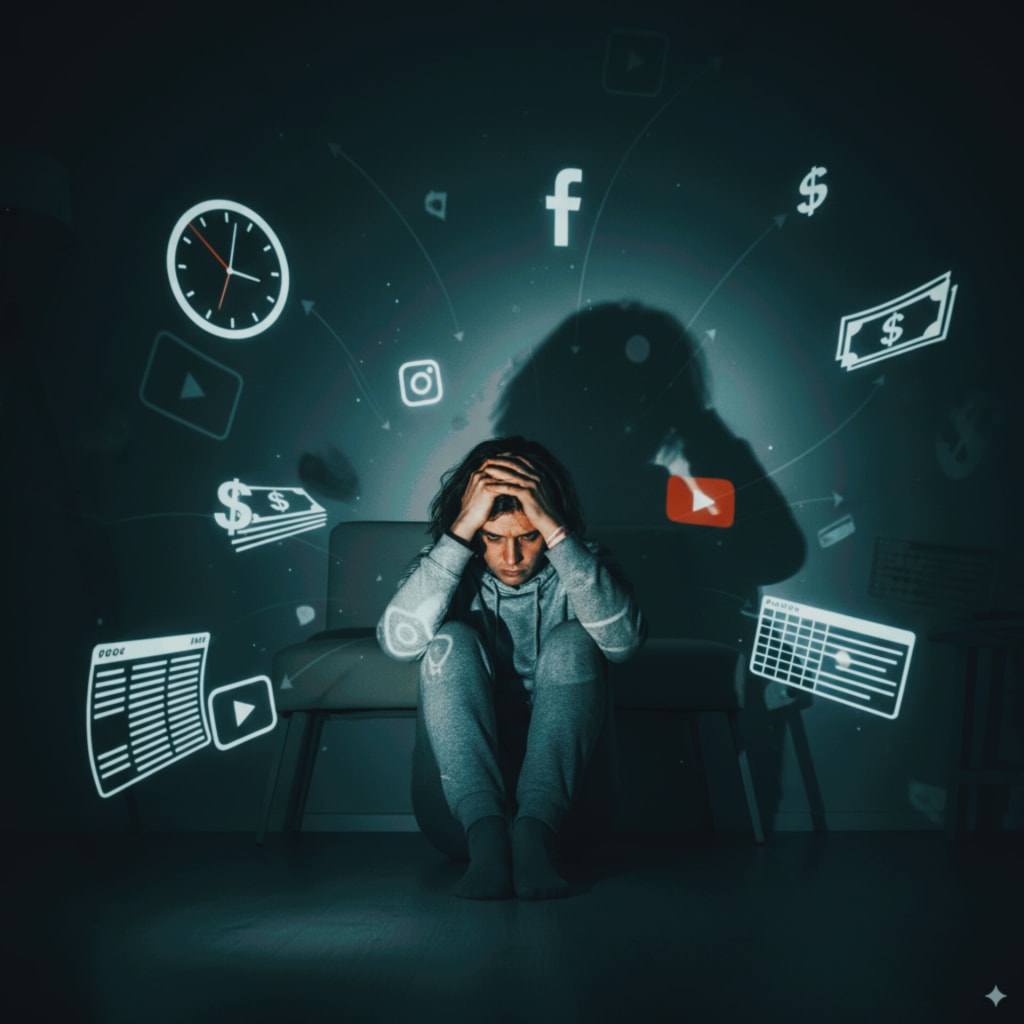
In today’s fast-moving world, anxiety has become one of the most common mental health challenges. It is no longer limited to a few individuals but has spread globally, affecting children, adults, and even the elderly. The pressures of modern life, constant competition, social media comparisons, and uncertainty about the future have all contributed to rising levels of stress and worry. Anxiety is often called a “silent epidemic” because, while many people suffer, only a few openly talk about it.
What is Anxiety?
Anxiety is more than just feeling worried before an exam or nervous before a big event. It is a persistent feeling of fear, unease, or nervousness that doesn’t go away easily. Unlike normal stress, anxiety continues to interfere with daily life, relationships, work, and even physical health. For some, it may appear mild, while for others it can become overwhelming, leading to panic attacks or even depression.
---
Symptoms of Anxiety
Anxiety can affect both the mind and body. Common symptoms include:
Emotional symptoms: Constant worry, restlessness, irritability, difficulty concentrating, and a feeling of dread.
Physical symptoms: Rapid heartbeat, sweating, trembling, shortness of breath, stomach pain, fatigue, headaches, and insomnia.
Behavioral symptoms: Avoiding social situations, overthinking, procrastination, or relying on unhealthy habits like smoking or overeating.
These symptoms may come and go, but when they persist for weeks or months, it becomes clear that the person is dealing with an anxiety disorder.
---
Causes of Anxiety
Anxiety rarely comes from a single reason. Instead, it is the result of a mix of biological, psychological, and social factors. Some common causes are:
1. Modern Lifestyle – Excessive use of smartphones, social media pressure, and lack of real-life connections.
2. Work and Academic Pressure – Long hours, tight deadlines, competition, and fear of failure.
3. Financial Stress – Rising costs of living, job insecurity, and debt worries.
4. Trauma and Past Experiences – Childhood neglect, bullying, or past abuse can leave lasting scars.
5. Genetics and Biology – Family history of anxiety or imbalances in brain chemicals.
6. Health Concerns – Chronic illness, lack of sleep, or poor diet can trigger anxiety.
---The Hidden Impact
Anxiety does not only harm the individual; it also impacts families, communities, and even workplaces. Students with anxiety may struggle to focus on studies, employees may lose productivity, and families may face misunderstandings due to constant irritability or withdrawal. If ignored, anxiety can lead to depression, substance abuse, or physical health problems like heart disease and high blood pressure.
---
How to Manage Anxiety
The good news is that anxiety can be managed. While it may not disappear overnight, small and consistent steps can make a big difference.
1.The Hidden Impact
Therapy: Talking to a psychologist or counselor helps identify triggers and teaches coping strategies.
Medication: In severe cases, doctors may prescribe medicines to balance brain chemistry.
2. Lifestyle Changes
Regular Exercise: Walking, yoga, or gym workouts release endorphins that reduce stress.
Balanced Diet: Eating nutritious meals and avoiding caffeine or junk food helps regulate mood.
Adequate Sleep: Proper rest is essential to calm the nervous system.
3. Mindfulness and Relaxation
Meditation, deep breathing exercises, and prayer or spiritual reflection can reduce racing thoughts.
Journaling feelings can help release inner tension.
4. Healthy Boundaries
Limiting screen time and reducing social media comparisons.
Saying “no” when overwhelmed instead of overcommitting.
5. Support System
Talking openly with trusted family or friends reduces the feeling of isolation.
Support groups provide encouragement from people facing similar struggles.
---
A Message of Hope
Anxiety is not a weakness; it is a human response to overwhelming circumstances. The key lies in awareness, acceptance, and action. With the right support, lifestyle changes, and self-compassion, people can regain control over their minds.
We must remember that mental health is just as important as physical health. Talking about anxiety should not be a source of shame but a step toward healing. The more we create safe spaces for discussion, the faster the stigma will fade.
---
Conclusion
The age of anxiety may seem dark, but every challenge comes with an opportunity to grow stronger. By recognizing the symptoms, understanding the causes, and practicing healthy management, we can overcome the silent epidemic. Let us build a world where seeking help is seen as courage, not weakness. In doing so, we not only heal ourselves but also inspire others to walk the path of mental well-being.
About the Creator
Keep reading
More stories from Muhammad suliman and writers in Psyche and other communities.
My first and last letter to my mom
There comes a moment in life when the words we have kept inside for years demand to be spoken. For me, that moment came in the form of a letter — my first and last letter to my mom. I never imagined I would write it, and yet, here I was, pouring every emotion onto paper that would never reach her hands.
By Muhammad suliman 4 months ago in Psyche



Comments
There are no comments for this story
Be the first to respond and start the conversation.