
Addiction Counseling In Arizona
Utilize various methods aimed for individuals to heal and grow in their recovery process

Over 10% of individuals in the United States bargain with a co-occurring disorder or substance abuse disorder every year. Substance abuse disorders and addiction can affect any individual, regardless of gender, background, education, or age.
Addiction is considered a disease, and that’s why treatment professionals utilize various methods aimed for individuals to heal and grow in their recovery process. Granite Mountain offers several addiction counseling services geared towards evidence-based and holistic varieties.
What Is Addiction Counseling?
When an individual endures drug addiction, it is a chronic ordeal. Addiction itself is uncontrollable, compulsive, and harmful to the sufferer and their future. The changes that can occur in the brain are long-lasting. One of the most known directions after facing addiction for an individual is relapse. When a person relapses, the desire to return to the drug is extremely heightening.
Ultimately, the addict must decide to choose against the drugs consuming their body, behavior, and livelihood. Drug exposure has the power to affect many aspects of a person’s life, but other options can be life-changing. Long-term and repeated care will begin with seeking treatment.
Cognitive Behavioral Therapy (CBT)
Cognitive-Behavioral Therapy (CBT) is a form of psychotherapy for addiction that combines the principles of cognition and behaviorism. Cognition is how people feel, think, and understand themselves. Behaviorism is how behaviors are modified and controlled. When the two avenues have collaborated, individuals can discover their thoughts, behaviors, and feelings. Once negative thoughts are recognized, they are swapped out for positive ones.
CBT utilizes a reward and punishment approach covered with positive and negative reinforcements to modify the negative aspects and transition them to positive.
Dialectical Behavioral Therapy (DBT)
When it comes to managing feelings and thoughts when an active addiction is present, rehab treatment can be extremely difficult for an individual. Many individuals struggle with the concept of how the addiction has come about and is taking control of their life. Research suggests that not all therapy approaches works for each individual.
All types of addiction therapy are considered beneficial during the rehab process, but DBT is designed for extremely demanding cases. Dialectical-behavioral therapy contributes to the development of a healthy mindset and can pose as life-saving for an individual attending a drug and alcohol rehab center. When in the process of replacing negative actions and thoughts fo more positive ones, some individuals might react aggressively.
This is specifically true for those who have faced the addiction battle for long periods. It’s important to note that addiction takes time to do the following:
Develop
Adjust proper treatment
Requires understanding and patience throughout the journey
DBT brings together many concepts to help patients build essential skills:
Interpersonal effectiveness
Emotional regulation
Distress tolerance
Mindfulness
DBT is known to reduce the risk of relapse after addiction care is officially completed.
Holistic Treatment
Traditional addiction treatment is essential to an individual’s recovery, however, there are other options available. There are practices such as yoga, biofeedback, and acupuncture that are known to cleanse the body and ease the mind during addiction treatment. Holistic treatment emphasizes the importance of the entire individual by focusing on the following:
Mind
Soul
Body
The methods Granite Mountain engages in for holistic counseling for addiction are:
Our Recover Strong Program
Adventure Therapy
Biofeedback
Acupuncture
Massage
Nutrition
Fitness
Tai Chi
Yoga
How Can CBT Be Utilized For Addiction Counseling In Arizona?
Cognitive-Behavioral Therapy can be used for counseling for addiction in various settings. When people suffer from addiction, they typically don’t want to continue engaging in alcohol and drug abuse, but because of the potent effect, they are unable to resist the urge. Matter factly, many individuals struggling with addiction are also combating a challenging mental illness.
Mental illnesses are known to present inner conflict within the victim enabling them to believe their negative thoughts and feelings, therefore manifesting the belief in their behavior. As a result, cognitive-behavioral therapy is a great tool to be utilized for treating substance use disorders.
Once the two forces are joined, CBT supplies the addict with positive thoughts, feelings, reinforcements, and non-addictive behaviors. By combining negative and positive reinforcements along with talk therapy, the urge the sufferer has to engage in drug use is eliminated slowly.
How Does DBT Reinforce Rehab?
There are numerous recovering addicts undergoing uncomfortable temptations and thoughts throughout the detox process and amid addiction treatment. Treatment sessions and standard therapies can lead to increased stress until the addict has adjusted. During that time, DBT has the potential of interceding to address those feelings and avoid dangerous matters.
DBT can make an appearance during any step of the recovery process, but it’s mostly utilized for individuals showcasing the following behaviors:
Emotional negativity
Aggression
Self-harm
Suicide
By disconnecting the actions and emotions that initially led to the development of addiction, requires the individual routine to be completely altered. The conflict lies in a constant war of what the struggling individual wants vs the addiction urges. Focusing on sobriety is difficult, but DBT is an imperative part of the rehab treatment plan for addiction.
How Is DBT Incorporated Into PHP Programs?
Inpatient Rehab Program
Partial Hospitalization Programs (PHP) are the ideal collaboration of the flexibility between the acuteness of inpatient rehab and outpatient rehab. An inpatient rehab program is a consistency of weekly scheduled sessions for addiction and substance abuse disorders. It’s safe to think of an IOP program as a middle ground for individuals with significant obligations but still in need of treatment. Inpatient programs will include individual and group therapy as well.
Individual Therapy
Individual therapy utilizes the basic yet powerful form of the therapeutic process which is talk therapy. The sessions allow the individual to meet with a therapist in a private yet secure environment which provides comfort for the individual to feel comfortable to open up. This form of therapy supplies the person with time to process their experiences and understand addiction and how it ultimately affects those around them.
As the patient’s triggers are exposed during this time, addressing issues in a healthy matter can take place. A remarkable objective of individual therapy is to strengthen emotional and behavioral well-being through the journey of:
Addressing concerns that might arise
Receiving ongoing support
Celebrating positives
Asking any questions
Making improvements on thought processes
Being guided and supported during and after treatment
Receiving motivation to make positive changes
Group Therapy
Group therapy is a vital aspect of an IOP program. The sessions are led by trained professionals who discuss relevant topics with those involved. The patient will receive education on particular problems that the individuals are learning to manage.
The individuals will be able to utilize the new skills formed in a group therapy setting and showcase them in a real-world social environment. Most importantly, group therapy sessions promote healing and acceptance in a supportive and incredible setting. Group therapy allows individuals from different walks of life in similar situations to support and relate to one another.
The therapist leads the session with two or more individuals as they open up about
Experiences
Struggles
Emotions
Goals
Group therapy succeeds in various benefits.
A safe and confidential environment
Closed and open door sessions
Expertly led sessions
Interpersonal growth
Feelings of isolation
Sense of community
Coping skills
Healthy habits
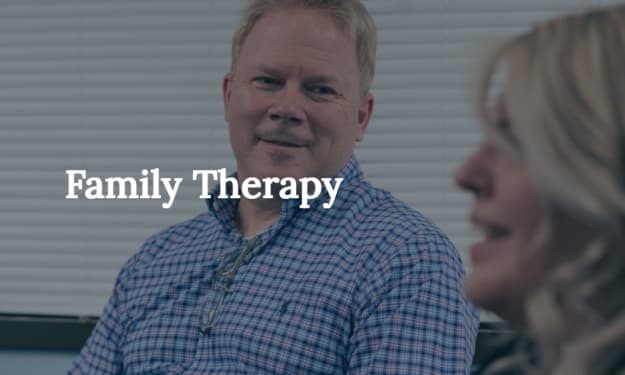
Family Therapy
Family therapy is similar therapy to individual and group therapy because it’s a form of psychotherapy. The sessions typically involve the individual struggling with their family members. This treatment can be highly beneficial for the sufferer and their recovery.
Any pain, feelings, experiences that the family might have can be expressed to the therapist and struggling individual. The act of addressing these matters healthily can be highly advantageous. This will serve as a time for family members to receive knowledge on what the sufferer has been experiencing.
The benefits of family therapy are:
It is held generally on an as-needed basis with intensive outpatient programs
The main purpose of family therapy is to assist in repairing any damage caused
Families are reminded to take care of themselves as well as the suffering person
Healthy boundaries will be supportive during the loved one’s treatment process
Trust will be rebuilt during therapy, and it’s based on communication and honesty
The therapist will initially work to strip away any unhealthy patterns and behaviors
More info on source: https://granitemountainbhc.com/addiction-programs/therapy-options/addiction-counseling-in-arizona/


Comments
There are no comments for this story
Be the first to respond and start the conversation.