
5 Common Myths About Depression That Need to Be Debunked
Understanding Depression Beyond Sadness
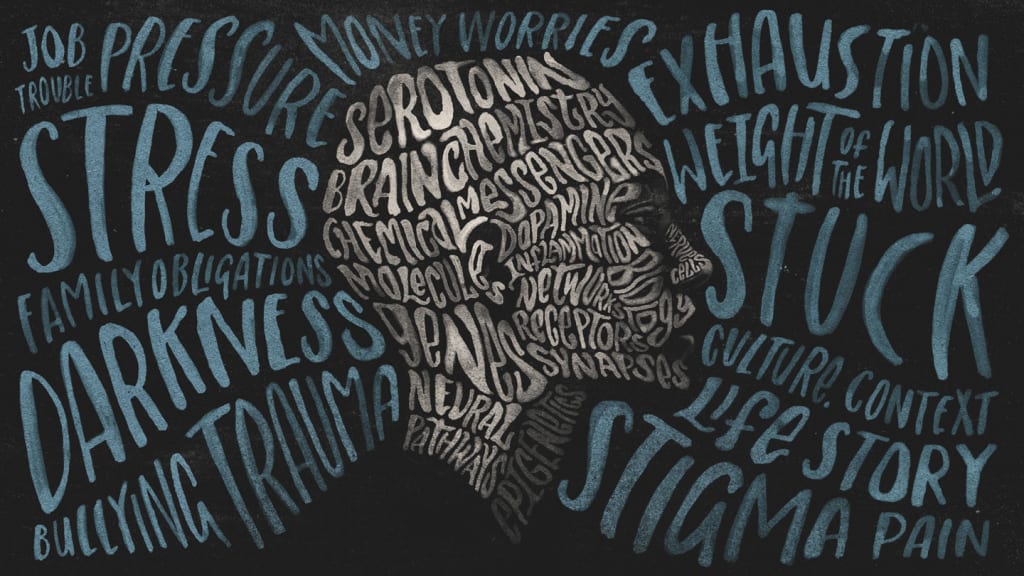
Depression is one of the most widely discussed mental health issues today, but many people still don't understand it. Whether due to stigma, disinformation, or personal prejudices, many beliefs about depression persist. These beliefs can harm persons suffering from the condition while also discouraging people from obtaining the care they require. Let's rectify these misconceptions. Let us address some of the most frequent myths regarding depression.
Myth 1: "Depression Is Just About Feeling Sad"
When people hear the word "depression," they frequently assume it refers to feeling sad or down. It's far more complicated than that. While sadness can be an element of it, depression is considerably more profound and widespread. It has a significant impact on a person's emotional and physical well-being. You may lose interest in activities you formerly enjoyed, become emotionally numb, or have physical symptoms such as headaches, weariness, or stomach issues. Depression does not always appear as expected or make sense. It's more than just a lousy mood that will pass in a few days; it's a chronic and sometimes crippling condition.
Myth 2: "You Can Just Snap Out of It"
One of the most harmful misconceptions about depression is the belief that individuals can overcome it with hard work. This myth implies that persons suffering from depression are either being overly dramatic or not working hard enough to "get better." But depression is not something you can wish away. It is frequently the result of a complex interaction of genetics, life events, brain chemistry, and other influences. Depression may resolve with treatment or time for some people, but for others, it is a chronic disorder that necessitates continuing care. Encouraging someone to "snap out of it" may make them feel more alienated and misunderstood.
Myth 3: "Only Weak People Get Depressed"
There's an awful misconception that only "weak" people suffer from depression. This concept is based on the belief that mental health problems indicate weakness or a lack of resilience. In reality, depression may strike anyone, regardless of their strength, personality, or history. It is not a matter of strength or weakness; it is a medical illness that affects people from all areas of life. Some of the world's most successful and talented people, including athletes and entrepreneurs, have openly discussed their experiences with depression. Depression is not a sign of weakness, but rather a reflection of humanity.
Myth 4: "Antidepressants Are the Only Way to Treat Depression"
Another prevalent misconception is that antidepressants are the sole option to treat depression. Antidepressants can be beneficial to certain people, but they are not the only option. In reality, many people with depression do not require medicine at all, or they discover that alternative treatments work better for them. Therapy, especially cognitive-behavioral therapy (CBT), is a well-known and effective treatment for depression. Exercise, a balanced diet, mindfulness, and even social support can all help manage depression. Everyone's experience with depression is unique, so choosing the proper treatment can be a trial and error process. It's important to remember that what works for one individual might not work for another.
Myth 5: "Depression Isn’t a Real Illness"
Finally, perhaps one of the most pernicious myths is that depression is not a serious illness. Some people still believe that depression is "in your head" or caused by poor life choices. But depression is extremely real—it alters brain chemistry and can have a significant impact on physical health as well. There is scientific evidence that changes in brain activity and chemistry occur in people suffering from depression. It is not something you can simply "get over" with positive thinking. Depression is a legitimate health problem that requires attention, care, and therapy, just like any other physical sickness.
The Bottom Line
Depression is complicated and affects everyone differently. Myths about depression might make it difficult for people to get help or comprehend what they're experiencing. If you or someone you know is battling with depression, it is critical to seek help from professionals and loved ones. It is equally critical to dispel these damaging myths and promote an environment of knowledge and compassion for mental health. Seeking aid is a sign of strength, not weakness, as both mental and physical health are equally vital.
About the Creator
Isuri Geeganage
Hi, I’m Isuri! I’m here to share my thoughts, experiences, and reflections on life. Writing is my way of connecting with others, and I’m excited to be part of this community. Thanks for stopping by!
Keep reading
More stories from Isuri Geeganage and writers in Psyche and other communities.
The Truth About Weight Loss: What You Need to Know
Weight loss might feel daunting and perplexing in a society full of diet fads, wonder medications, and quick fixes. With so much disinformation out there, it's difficult to determine what's accurate. The truth is that weight loss isn't about following the latest fad diet or dropping a lot of weight quickly. The goal is to make long-term, healthful changes. Let's look at the reality regarding weight loss and what actually works.
By Isuri Geeganage12 months ago in Psyche
Do You have a Support Network?
Life is harder when you’re on your own. Human beings are social creatures, and we usually feel better when we have support from a strong social network around us. For most people, it’s our families that hold us together like glue.
By Elizabeth Woodsabout 17 hours ago in Psyche



Comments
There are no comments for this story
Be the first to respond and start the conversation.