
5 Breathing Techniques That Reduce Stress Instantly
Simple Exercises You Can Do Anywhere to Calm Your Mind and Body

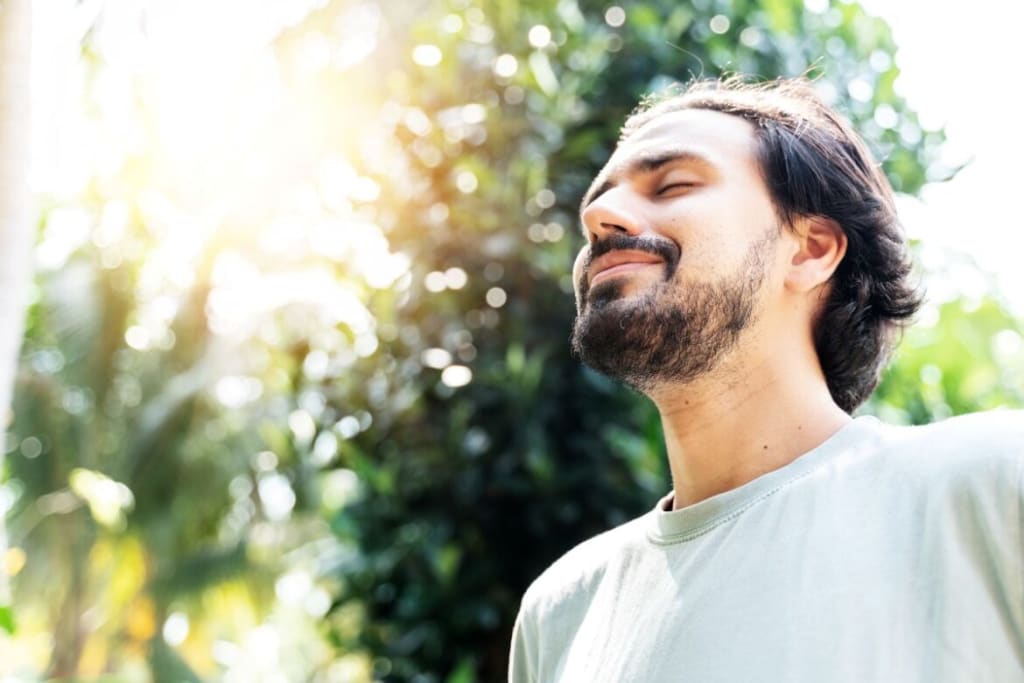
Stress has become an inevitable part of modern life, whether it’s caused by work, school, relationships, or daily responsibilities. While many people turn to coffee, scrolling through social media, or distractions to cope, there’s a scientifically proven method to calm both the mind and body: breathing exercises. Controlled breathing can lower heart rate, reduce cortisol (the stress hormone), and improve focus almost immediately.
Here are five breathing techniques you can practice anywhere — at home, in the office, or even on public transport — to reduce stress instantly.
1. Box Breathing (Four-Square Breathing)
Box breathing is popular among Navy SEALs and athletes because of its simplicity and effectiveness. It balances oxygen and carbon dioxide levels, helping the body relax.
How to do it:
Inhale slowly through your nose for 4 seconds.
Hold your breath for 4 seconds.
Exhale slowly through your mouth for 4 seconds.
Hold your breath again for 4 seconds.
Repeat 4–6 cycles.
Why it works: This technique engages the parasympathetic nervous system, which is responsible for the “rest and digest” response, reducing anxiety and clearing your mind.
2. 4-7-8 Breathing (Relaxing Breath)
Dr. Andrew Weil popularized this method for deep relaxation and sleep improvement. It’s especially useful when you feel anxious or tense.
How to do it:
Place the tip of your tongue against the ridge behind your upper teeth.
Inhale quietly through your nose for 4 seconds.
Hold your breath for 7 seconds.
Exhale completely through your mouth for 8 seconds.
Repeat 4–6 cycles.
Why it works: The longer exhale activates the parasympathetic system, lowering heart rate and blood pressure while signaling your body that it’s safe to relax.
3. Diaphragmatic Breathing (Belly Breathing)
Diaphragmatic breathing focuses on deep abdominal breaths, increasing oxygen flow and calming the nervous system.
How to do it:
Sit or lie comfortably and place one hand on your chest, the other on your belly.
Inhale deeply through your nose, allowing your belly to rise while keeping your chest still.
Exhale slowly through your mouth, letting your belly fall naturally.
Repeat for 5–10 minutes.
Why it works: Belly breathing strengthens the diaphragm, slows your breathing rate, and reduces tension, making it particularly effective for people who feel stress physically, like tight shoulders or shallow breathing.
4. Alternate Nostril Breathing (Nadi Shodhana)
Rooted in yoga, alternate nostril breathing balances energy and brings mental clarity. It’s ideal before meditation, exams, or stressful meetings.
How to do it:
Sit comfortably with your spine straight.
Use your right thumb to close your right nostril and inhale deeply through your left nostril.
Close your left nostril with your ring finger and exhale through your right nostril.
Inhale through the right nostril, then switch to exhale through the left.
Repeat for 5–10 cycles.
Why it works: This method balances the two hemispheres of the brain, improves focus, and promotes a sense of calm. It’s excellent for regulating emotions and mental stress.
5. Resonance Breathing (Coherent Breathing)
Resonance breathing involves slow, rhythmic breathing to achieve a state of physiological coherence, synchronizing heart rate and breathing patterns.
How to do it:
Inhale slowly through your nose for 5–6 seconds.
Exhale gently through your mouth for 5–6 seconds.
Maintain this steady rhythm for 5–10 minutes.
Why it works: Resonance breathing enhances vagal tone, improves oxygen delivery to the body, and creates a profound sense of calm. Many people use it for stress reduction, meditation, or preparation before public speaking.
Tips for Practicing Breathing Techniques
Consistency is key: Practicing daily can help your nervous system respond more effectively to stress.
Pair with mindfulness: Focus on your breath rather than external distractions for maximum effect.
Start small: Even 1–2 minutes of conscious breathing can be effective.
Create a calming environment: Sit in a comfortable chair, dim the lights, or play soft music if it helps.
The Science Behind Breathing and Stress
Breathing exercises work because of the connection between respiration, the nervous system, and stress hormones:
Slow, controlled breathing stimulates the vagus nerve, which triggers relaxation.
Oxygen-carbon dioxide balance improves, reducing feelings of dizziness or tension.
Brainwaves shift towards alpha waves, associated with relaxation and mental clarity.
Studies show that even brief breathing sessions can reduce anxiety, lower heart rate, and improve focus within minutes.
Conclusion
Stress is inevitable, but how you respond to it makes all the difference. Incorporating these five breathing techniques — box breathing, 4-7-8 breathing, diaphragmatic breathing, alternate nostril breathing, and resonance breathing — into your daily life can provide instant calm and long-term resilience.
Whether you’re facing a hectic workday, exam anxiety, or general life pressure, these exercises are tools you can carry with you anywhere. Remember: stress doesn’t have to control you — your breath is one of the most powerful tools to regain calm, focus, and balance in any moment.
Start today, practice consistently, and watch how something as simple as breathing can transform your mental and physical wellbeing.
About the Creator
Keep reading
More stories from Games Mode On and writers in Psyche and other communities.
Self-Care Isn’t Selfish: Creating a Daily Routine That Works
In today’s fast-paced world, it’s easy to forget that self-care isn’t a luxury — it’s a necessity. Whether you’re juggling work, school, family, or social commitments, taking time for yourself can feel selfish or indulgent. But research in psychology and wellness consistently shows that prioritizing your own health benefits both you and those around you. Creating a daily routine that incorporates self-care can boost mood, increase productivity, and protect against burnout.
By Games Mode Onabout 13 hours ago in Psyche


Comments
There are no comments for this story
Be the first to respond and start the conversation.