
4 Psychology Facts To Save Your Life
Navigating Life's Challenges: How Psychology Can Save Your Life
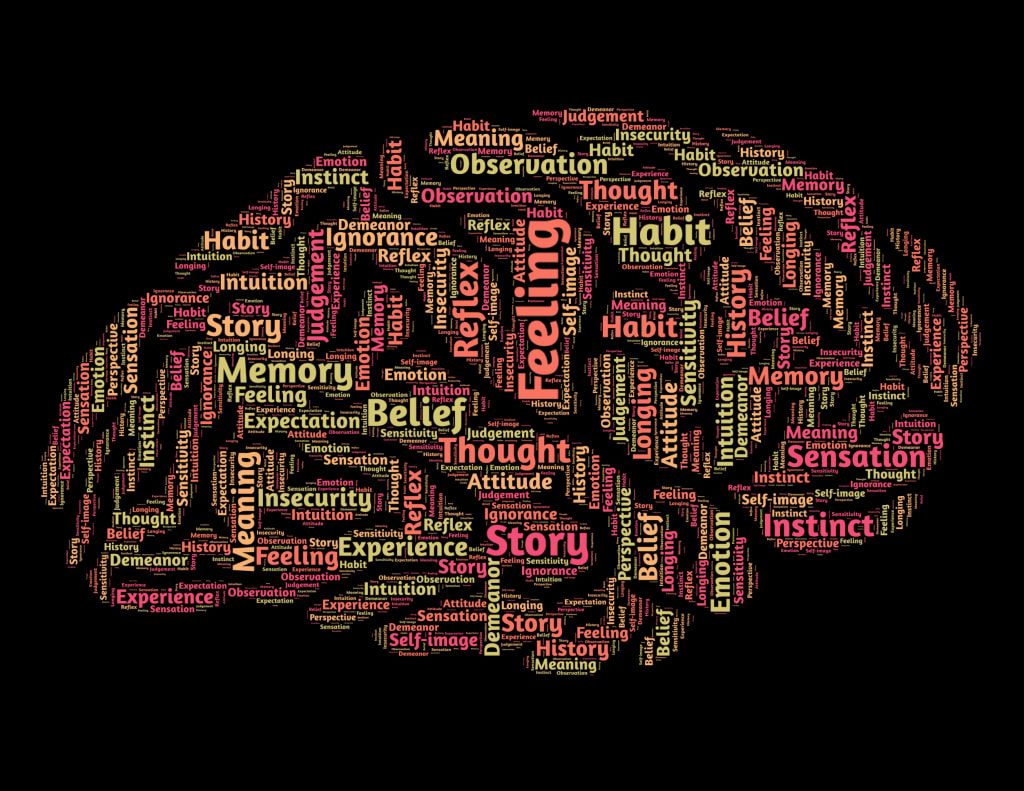
In the intricate tapestry of human experiences, the realm of psychology emerges as a guiding light, illuminating paths through the labyrinth of challenges and, at times, even extending a lifeline to pull individuals from the precipice. While its significance in enhancing relationships, healing emotional wounds, and offering coping mechanisms is widely acknowledged, the extent to which psychology can serve as a life-saving tool is a revelation worthy of exploration. Diving deep into the complex interplay of human cognition and behavior reveals a series of essential psychological facts that can genuinely make the difference between life and death.
1. Bystander Effect: An Intriguing Paradox of Human Reaction
Picture this scenario: you're walking through a bustling parking lot when a seemingly trivial collision takes a sudden aggressive turn, resulting in an unwarranted shove to the ground. The perplexing aspect is the presence of bystanders, who, more often than not, opt for inaction. This phenomenon, known as the bystander effect, underscores a disconcerting truth - the more witnesses there are, the less likely any individual will step up. In times of urgency, bystanders tend to fall into a diffusion of responsibility, assuming someone else will take charge. Researchers, however, have unearthed a counterintuitive solution. Assigning distinct tasks to specific bystanders, thereby making them feel personally responsible, disrupts the bystander effect and increases the likelihood of timely intervention.
2. Trusting Strangers vs. Acquaintances: Peering Beyond the Facade
Human perception of potential danger is a delicate interplay of instincts and biases. Strangers displaying peculiar behavior often set off alarm bells, while acquaintances who blend seamlessly into societal norms may escape suspicion. Yet, a stark reality revealed through the FBI's studies is the fallibility of such perceptions. Many violent criminals adeptly mask their true intentions, leading seemingly ordinary lives. Identifying the more nuanced warning signs, like impulsive actions, excessive anger, lack of empathy, and prolonged grudges, becomes imperative in deciphering potential threats from both unfamiliar faces and familiar ones.
3. Sleep's Influence on Decision-Making: Unveiling the Cognitive Alchemy
The profound implications of sleep on cognitive prowess may be vastly underestimated. Sleep deprivation's impact can be akin to navigating under the influence of alcohol. The sleep-starved body releases a surge of stress hormones, which in turn undermines brain functionality, denting memory, concentration, mood, and, crucially, decision-making abilities. Grasping this intricate connection underscores the importance of nurturing a sound sleep routine. Prioritizing adequate sleep, tailored to individual needs, emerges as a potent weapon in safeguarding optimal cognitive function and overall well-being.
4. Managing Panic Attacks: Reorienting the Approach to Calm
Panic attacks, those distressing tempests within the mind, tend to strike at the most inconvenient junctures, distorting rationality and rendering individuals vulnerable. Conventional strategies for coping, such as quelling emotions or asserting control, can inadvertently intensify the situation. A paradigm shift lies in embracing acceptance. Research underscores that acknowledging panic attacks without resistance curbs anxiety and avoidance, transforming the episode into a transient experience that ebbs away with greater ease.
Amidst life's uncertain currents, these psychological insights emerge as steadfast guides. Their pertinence stretches beyond academic discourse, furnishing individuals with tangible tools to confront life-threatening scenarios. By unraveling the enigma of human behavior, psychology empowers individuals to embrace proactive strategies, nurturing resilience and forging a sense of security.
In essence, psychology's role in shaping human responses extends far beyond theoretical constructs. Its capacity to mend emotional wounds and fortify lives against lurking perils is a testament to the multifaceted nature of the discipline. As we delve deeper into the intricate recesses of the human psyche, we unearth a treasury of insights that can unquestionably tip the balance between survival and peril, one psychological revelation at a time.
About the Creator
Keep reading
More stories from writers in Psyche and other communities.
What Does Ketamine-Assisted Therapy Usually Cost Across the US?
The first question most people ask when exploring new mental health treatments isn’t philosophical it’s practical. Cost matters, especially when a therapy feels unfamiliar and isn’t always covered by insurance. Ketamine-based care sits in that space where hope, science, and financial reality intersect. People considering it want clarity, not sales talk or vague estimates.
By Adrienne D. Mullins2 days ago in Psyche
Autonomy Is The Real Privilege
Good morning, freedom-seekers! Today we’re gonna be looking at autonomy. A strange word, I know; one many would probably look at blankly and run away from on sight. We’re gonna figure out what it actually means, consider how it’s achieved, and decipher just how deeply most of us are tangled up in dependence without realising it.
By That ‘Freedom’ Guy4 days ago in Humans



Comments
There are no comments for this story
Be the first to respond and start the conversation.