alcohol
All about the effects of alcohol on the mind and body, and what a drinker should expect from a sip, or ten, of the hard stuff.
In Defense of the Solo Drink: Why Drinking Alone Can Be a Form of Self-Care
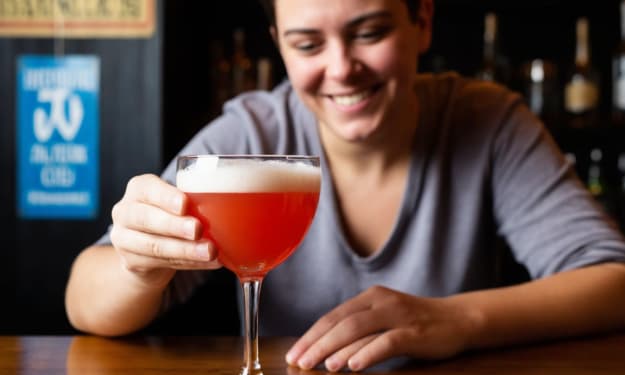
Beyond the stigma — a quiet cocktail, a moment of presence, and the joy of your own company. There’s a certain kind of silence that falls around a solo drink — not an absence, but a presence. A pause. A private exhale at the end of the day. Yet for all its subtlety, the image of someone drinking alone still carries cultural baggage. It’s often portrayed as lonely, even dangerous — the first sign of a story slipping into tragedy. But what if we flipped the script? What if drinking alone, when done with intention, could be a radical act of care?
By Ethan Chen6 months ago in Proof
Cocktail Cartographies: Mapping Memory Through Taste
A drink is never just a drink. It’s a layered archive, a sensory document of a place, a person, a moment. Long before the first sip, a cocktail holds within it a geography of memory. The bitterness of Campari may recall a summer in Florence. The bright lift of lime might conjure a rooftop party that stretched into stars. Even the scent of crushed mint can pull you back to your grandmother’s garden or your first job behind the bar. Flavors are how we remember, and cocktails — composed, crafted, and consumed with attention — become the cartographies of our lives.
By Sofia Mertinezz6 months ago in Proof
From Bar Cart to Altar: Designing Sacred Space for Nightly Pause
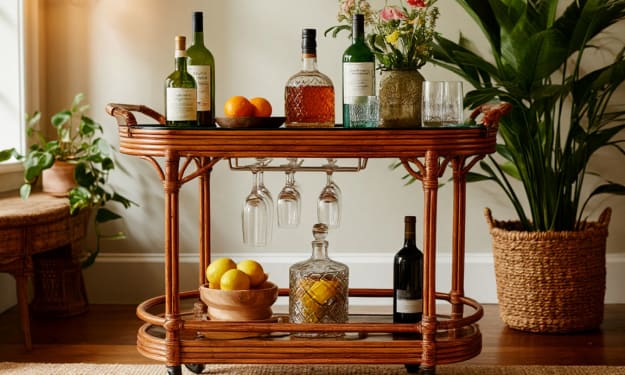
In a world that rarely slows down, the idea of pausing — truly pausing — can feel almost radical. Yet within that pause lies an opportunity: a chance to reclaim your evening, to transition from the noise of the day into the stillness of night. For many, that transition begins with a simple ritual — the mixing of a drink, the lighting of a candle, the creation of space. And at the center of that ritual is the bar cart.
By Ava Mitchell6 months ago in Proof
Ritual in a Rocks Glass: How Bartending Mimics Sacred Ceremony
At first glance, bartending may seem like a performance of efficiency: bottles lined in perfect rows, ice cracked with precision, jiggers raised and emptied with practiced rhythm. But look closer — especially in the quiet moments before the crowd arrives or in the last order of the night — and you’ll notice something deeper at play. Bartending, for all its flair and function, carries the weight and beauty of ritual. The bar is a modern-day altar, and every cocktail an offering.
By Aisha Patel6 months ago in Proof
Liquid Language: Using Flavor to Tell Stories Without Words
There are stories we tell with words — and then there are those told in taste. A well-crafted cocktail is more than just a drink; it’s a kind of sensory language, with each flavor speaking in metaphor, each texture delivering mood, and every temperature shift evoking an emotional tone. Just like music or painting, a drink can express the ineffable — nostalgia, longing, joy, rebellion, or even grief — all without uttering a single word.
By Ethan Chen6 months ago in Proof
Shaken or Stirred: What Your Cocktail Style Says About You
When James Bond famously ordered his martini “shaken, not stirred,” he wasn’t just being picky — he was revealing something about himself. Beneath the surface of that iconic line lies a philosophy of personality. Your cocktail preparation preference, whether you lean toward the dynamic shake or the gentle stir, speaks volumes about your temperament, your rituals, and even the way you engage with the world.
By Sofia Mertinezz6 months ago in Proof
The Alchemy of Ice: How Temperature Shapes Emotion in a Glass
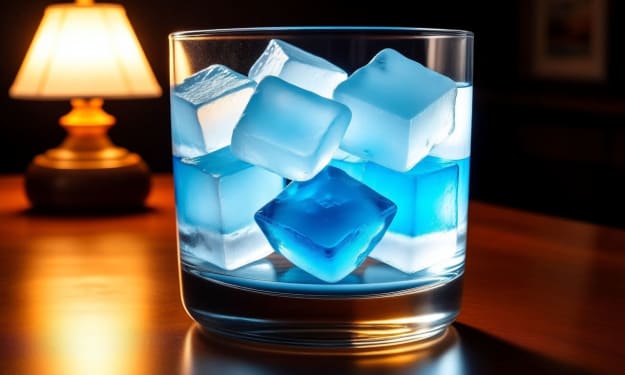
We often overlook ice, treating it as a neutral background player in the theater of cocktails. But ice is more than frozen water — it’s emotional architecture. It shapes not just the temperature of a drink, but its texture, dilution, and how each note in the flavor profile reveals itself over time. Ice is time made tangible. It paces a drink. It holds and releases. It suspends a moment, then lets it melt.
By Ava Mitchell6 months ago in Proof
Bittersweet: The Emotional Palette of Cocktail Ingredients
Cocktails are more than just beverages — they’re emotional compositions in liquid form. A Negroni’s bite can taste like resilience. A French 75’s sparkle might feel like celebration. The ingredients we choose don’t just combine flavors; they blend states of being. Just as a painter uses color to evoke mood, the mixologist selects ingredients to summon emotional resonance. The bitter, the sweet, the sour, the smoky — each has its place in the emotional spectrum of the cocktail experience.
By Aisha Patel6 months ago in Proof
Sip by Sip: The Slow Art of Drinking in a Fast World
In a world that constantly demands more — more speed, more productivity, more connection — it’s no surprise that we often carry that urgency straight into our evenings. Even the things that are meant to relax us become rushed: we gulp down dinner, we mindlessly scroll during a glass of wine, we multitask our way through moments that could be meaningful. But what if the simple act of drinking — one sip at a time — could become a practice in slowing down?
By Ethan Chen6 months ago in Proof
A Drink to Mark the Moment: Toasting Life’s Tiny Wins
We’re taught to wait for the big moments — the promotions, the birthdays, the milestones — before we raise a glass. But life, in its truest form, is made up of tiny, barely noticeable victories. The email you were dreading that you finally sent. The plant you kept alive for three months. The hard conversation you managed with grace. These aren’t “Instagram-worthy” wins, but they are yours. And they deserve to be toasted.
By Sofia Mertinezz6 months ago in Proof
Mixology as Meditation: Stirring, Sipping, Breathing
In a world driven by productivity, where every moment is scheduled and every breath is rushed, there’s something quietly radical about slowing down. Mixology — the art of crafting a cocktail — might not be the first thing that comes to mind when we think of meditation, but the two are more connected than they seem. When practiced mindfully, the process of making and enjoying a drink becomes a sensory ritual, a meditative pause in the blur of daily life.
By Ava Mitchell6 months ago in Proof
Designing a Mood-Based Bar Cart for Every Emotion
A bar cart isn’t just a place to store bottles and glassware—it’s a reflection of your mood, personality, and the atmosphere you want to create at any given moment. Designing a mood-based bar cart means going beyond the basics and thinking about how each ingredient, garnish, and cocktail recipe can resonate with different emotions. Whether you’re seeking comfort, excitement, relaxation, or inspiration, your bar cart can become a personalized toolkit to help you get there.
By Aisha Patel6 months ago in Proof