
Island in Crisis: Nearly Half of Puerto Rico Left in the Dark After Catastrophic Power Grid Failure
power grid faliure in puerto rico
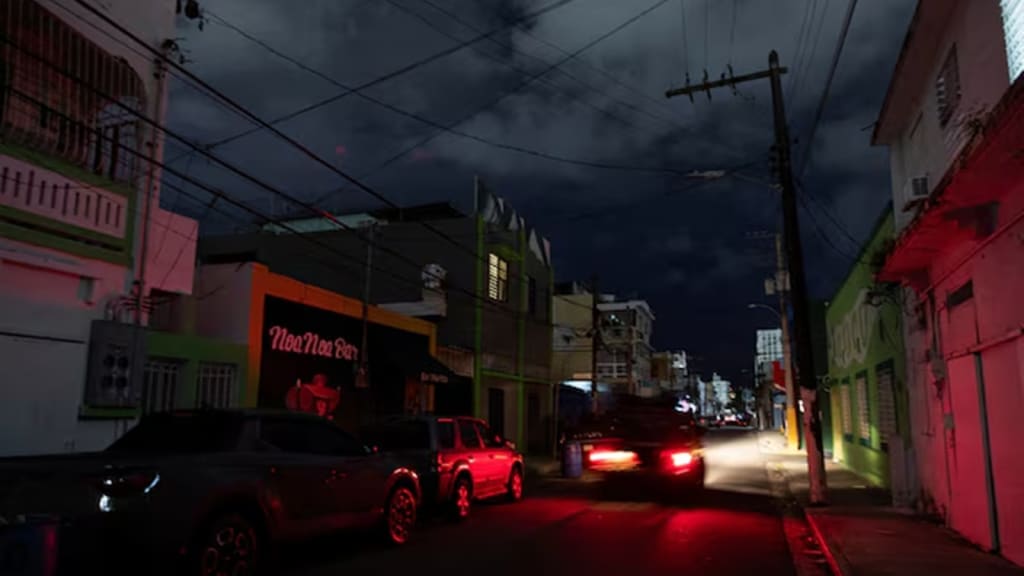
San Juan, Puerto Rico – A devastating and widespread power outage hit Puerto Rico on April 17, 2025, leaving nearly half of the island’s 1.5 million residents without electricity. When all of Puerto Rico's power plants failed as part of a cascading series of events that began with the failure of a significant transmission line, the blackout, which began shortly after noon and affected nearly the entire island, occurred. The outage comes at a particularly challenging time, with many families and businesses preparing for the busy Easter weekend, and underscores the ongoing fragility of Puerto Rico’s electrical infrastructure.
The Blackout Begins
At approximately 12:38 p.m. local time, the island’s energy grid collapsed when a transmission line failure triggered a cascading shutdown of all of Puerto Rico's power plants. The sudden loss of electricity left almost 90% of Puerto Rico’s population without power. The failure was attributed to a malfunctioning protection system, combined with vegetation interference on a key transmission line between Cambalache and Manatí, two vital points in the island’s energy network.
In the aftermath of the blackout, everyday life across Puerto Rico ground to a halt. Hospitals, airports, and vital water treatment facilities were forced to rely on backup generators, while public transportation systems were left inoperable. The loss of power had immediate effects, with widespread disruptions in communications, commerce, and transportation.
Local officials quickly declared a state of emergency, and Luma Energy, the private company responsible for managing the island’s power grid, began mobilizing its teams to restore service. According to a statement from the company, the outage was an unprecedented event, caused by a combination of technical failures and environmental factors. However, frustration has been mounting over the reliability of the power grid, which has long been a subject of criticism.
Restoration Efforts
By the morning of April 18, nearly 47% of customers had their power restored. Luma Energy reported that it was focusing efforts on bringing back power to critical infrastructure first, including hospitals, water systems, and other essential services. The company announced that it expected to restore power to 90% of affected customers within 48 hours.
A lot of the island remained without electricity, especially in the rural areas, despite the progress. As the day progressed, Puerto Ricans' anger grew as long lines formed at gas stations, many of which were also without power. For many residents, this latest power failure is yet another blow to the already unreliable electrical grid that has struggled since Hurricane Maria in 2017. That storm severely damaged the island's infrastructure, and subsequent efforts to rebuild and modernize the grid have been slow, with ongoing disputes about how best to invest in and manage the energy systems.
Political retaliation and public outrage The latest outage has reignited widespread anger among Puerto Ricans, who have long been critical of Luma Energy and the privatization of the island’s power grid. The company, which took over responsibility for the transmission and distribution of electricity in Puerto Rico in 2020, has been the target of numerous protests and lawsuits over its handling of the grid, its pricing, and its response to major power outages.
Governor Jenniffer González expressed her dissatisfaction, expressing her condemnation of the incident and calling for immediate accountability. In the wake of the blackout, she announced that her administration would be exploring options to cancel the contracts with Luma Energy and its partner, Genera PR, which operates the island’s power plants. González emphasized that Puerto Rico’s energy system must be made more reliable, sustainable, and independent, calling for discussions with over 60 companies interested in providing alternative energy solutions for the island.
The governor also made it clear that restoring power to the island's residents was her top priority, and she has been in communication with federal officials to secure additional resources to assist with the restoration efforts. Meanwhile, many Puerto Ricans are calling for a reevaluation of the island’s energy policies and infrastructure, advocating for more renewable energy solutions and better disaster preparedness.
A System on the Brink
This most recent power failure comes on the heels of years of frustration with Puerto Rico’s energy grid, which has long been plagued by outdated equipment, underinvestment, and frequent outages. Even though the government of Puerto Rico has been working to make the grid more modern, the recent failures show how vulnerable the island's energy infrastructure still is. Puerto Rico's electrical grid, much of which was damaged during Hurricane Maria, has never fully recovered. The island's energy infrastructure remains fragile, with frequent breakdowns and outages occurring in both urban and rural areas, despite some progress in rebuilding and modernizing parts of the system. Many residents continue to rely on backup generators for basic needs like refrigeration and lighting, making them vulnerable during long-term power failures.
Although the commitment of the Puerto Rican government to move toward renewable energy sources like solar and wind power has received widespread support, many people argue that the transition has been too slow and that additional investment is required to guarantee the island's energy independence. Looking Forward
As efforts continue to restore power to Puerto Rico, the island’s future remains uncertain. Even though the emergency response was quick, political discourse is likely to be dominated in the coming months by growing discontent with the privatization of Puerto Rico's power grid and its flaws. The most recent blackout serves as yet another agonizing reminder for the people of Puerto Rico of the urgent need for long-term solutions to the island's energy infrastructure crisis. As the government continues to assess how best to rebuild and modernize the grid, it will also face pressure to ensure that the power system is more resilient, equitable, and capable of withstanding future challenges.
In the meantime, the people of Puerto Rico will continue to grapple with the aftermath of this latest disaster, hoping that the lessons learned from the current crisis will pave the way for a more sustainable and reliable energy future.
About the Creator
Keep reading
More stories from Faizan Afraz and writers in Proof and other communities.
A Campus Shattered: The Heartbreaking Tragedy of the Phoenix Ikner Shooting at Florida State University
On April 17, 2025, Florida State University (FSU) in Tallahassee became the site of a horrific shooting that shocked the campus community and the wider public. The suspected gunman, 20-year-old Phoenix Ikner, a student at the university, allegedly opened fire near the university’s Student Union. The shooting left two individuals dead and six others injured. What made this tragedy even more disturbing was the revelation that Ikner was the son of Jessica Ikner, a deputy with the Leon County Sheriff's Office. This tragic incident would send shockwaves through the FSU community and raise questions about family, mental health, and the accessibility of firearms.
By Faizan Afraz9 months ago in Criminal
Cultivating Mindful Listening for Deeper Connection
Listening is more than just hearing words. It is a gentle art of being present with another person, fully aware and open. Mindful listening invites us to slow down, quiet the mind, and offer our full attention without judgment or distraction. This practice can deepen our relationships and bring a calm clarity to conversations.
By Marina Gomez8 days ago in Proof
Embracing a Daily Calm Practice for Peaceful Living
Finding calm in the midst of a busy day can feel like a gentle gift to yourself. A daily calm practice helps you pause, breathe, and reconnect with your inner peace. It doesn’t have to take long or require special equipment—just a few mindful moments can make a big difference.
By Garold One5 days ago in Proof


Comments
There are no comments for this story
Be the first to respond and start the conversation.