
Cultivating Presence and Awareness in Daily Life


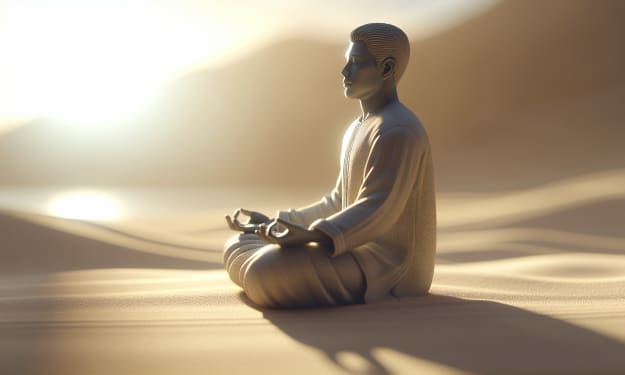
Presence and awareness are the foundations of a calm and centered mind. They invite us to live fully in the moment, noticing what is happening inside and around us without judgment. When we cultivate presence, we open ourselves to the simple reality of now, freeing ourselves from worries about the past or future.
Being aware means paying attention to our thoughts, feelings, and sensations as they arise. It is not about controlling or changing them but observing with gentle curiosity. This practice helps us respond to life with clarity and kindness rather than reactivity.
One simple way to connect with presence is through mindful breathing. Here is a short practice to help you anchor your awareness in the present moment:
1) Find a quiet and comfortable place to sit, with your back straight but relaxed.
2) Close your eyes gently or lower your gaze to soften your focus.
3) Take a slow, deep breath in through your nose, feeling the air fill your lungs.
4) Exhale slowly through your mouth, noticing the release of tension as you breathe out.
5) Continue breathing naturally, paying attention to the rise and fall of your belly or chest.
6) If your mind wanders, gently bring your focus back to your breath without judgment.
7) Practice this for 3 to 5 minutes, allowing yourself to be fully present with each breath.
As you practice, you may notice a growing sense of calm and clarity. This simple breath awareness can be a refuge during busy or stressful moments, helping you return to a grounded state with ease.
Presence and awareness are skills that deepen with patience and kindness toward yourself. Each moment offers a new opportunity to notice the richness of life unfolding right now.
In everyday life, presence and awareness help us appreciate small moments, listen deeply to others, and respond with greater wisdom. They support emotional balance and reduce stress by keeping us connected to what truly matters. Practicing these qualities regularly can transform how we experience each day and build a foundation for lasting peace through mindful presence and awareness
"The Benefits of Gratitude Meditation
Gratitude meditation has many positive effects on the mind and body. It can reduce stress, improve sleep, and increase feelings of happiness. When we focus on gratitude, our brain releases chemicals like dopamine and serotonin that promote well-being. This helps us feel more grounded and connected.
Tips for a Consistent Practice
1) Set aside a few minutes each day for gratitude meditation, even if it’s just five minutes.
2) Use reminders, like a note or an alarm, to bring you back to your practice.
3) Keep a gratitude journal alongside your meditation to write down what you appreciate each day.
4) Share your gratitude with others. Expressing thanks can deepen your feelings and strengthen relationships.
Expanding Your Gratitude
As you grow more comfortable with gratitude meditation, you can widen your focus. Include people, experiences, or qualities you value in your life. You can also meditate on challenges you have overcome, recognizing the strength and growth they brought you.
Gratitude is a seed that blossoms with care. Each time you practice, you water that seed with kindness and awareness. Over time, this creates a garden of calm and contentment within you.
About the Creator
Keep reading
More stories from Black Mark and writers in Proof and other communities.
Deep Rest Meditation: Finding Stillness Within
Deep rest meditation is a gentle practice that helps your body and mind enter a state of profound relaxation. It allows you to release tension, calm your thoughts, and restore your energy. Unlike active meditation that requires focus or visualization, deep rest meditation invites you to simply be still and let your body unwind naturally.
By Black Mark6 days ago in Proof
Exploring Self-Discovery Through Mindfulness
Mindfulness is a gentle path toward understanding yourself more deeply. It invites you to pause, notice, and accept your present experience with kindness. When we practice mindfulness, we open a door to self-discovery — learning about our habits, emotions, and thoughts without judgment.
By Victoria Marse6 days ago in Proof
Symbolic Cocktail Meaning: The Stories Behind Your Favorite Drinks
Non-judgmental awareness is a gentle way of paying attention to your present experience without labeling it as good or bad. It invites you to notice thoughts, feelings, and sensations as they arise, simply as they are. This practice helps create space between you and your reactions, allowing calm and clarity to grow.
By Ethan Chen7 days ago in Proof


Comments
There are no comments for this story
Be the first to respond and start the conversation.