
10 Most Expensive Fruits In The World
From Golden Melons to Exotic Grapes, Discover the Fruits That Redefine Indulgence


When you think of fruit, you probably envision a quick, healthy snack or the perfect addition to a balanced diet. However, in certain parts of the world, fruit is more than just sustenance; it’s a status symbol. Some fruits fetch staggering prices due to their rarity, cultivation techniques, or unique flavors. Let’s delve into the world of opulent produce with this list of the 10 most expensive fruits in the world.
1. Yubari King Melon – Japan

The Yubari King Melon, often referred to as the crown jewel of fruits, is cultivated exclusively in Yubari, Hokkaido. These melons are prized for their flawless appearance and unparalleled sweetness. Grown under meticulous conditions, the melons often sell for thousands of dollars at auction. In 2019, two Yubari melons were sold for a record $45,000.
2. Ruby Roman Grapes – Japan

Japan’s Ruby Roman grapes are a marvel of agricultural engineering. Each grape is about the size of a ping-pong ball and must meet stringent criteria for sweetness, size, and color. A bunch of Ruby Roman grapes sold for $12,000 in 2020, making them the most expensive grapes in the world.
3. Densuke Watermelon – Japan

With its jet-black rind and intensely sweet flesh, the Densuke watermelon is another luxury fruit from Japan. Only a few dozen are harvested each year on the island of Hokkaido. A single Densuke watermelon has been known to sell for as much as $6,000.
4. Sekai Ichi Apples – Japan

The name "Sekai Ichi" translates to “world’s best,” and these apples certainly live up to their moniker. Grown with utmost care, including being washed in honey, each apple can weigh up to two pounds. Sekai Ichi apples cost around $21 per apple, but their premium quality justifies the price for many.
5. Taiyo no Tamago Mangoes – Japan

Translated as "Eggs of the Sun," these mangoes are known for their deep red color, perfect oval shape, and incredible sweetness. Each fruit must weigh at least 350 grams and have a high sugar content to earn the label. A pair of these mangoes once sold for $4,500.
6. Buddha-Shaped Pears – China

These pears, grown in molds to resemble the image of Buddha, are a testament to creativity in agriculture. Beyond their unique shape, they are known for their juicy texture and pleasant taste. Each Buddha-shaped pear can cost up to $9, making them a favorite for those seeking novelty.
7. Pineapples from the Lost Gardens of Heligan – United Kingdom

Grown in traditional Victorian greenhouses in Cornwall, these pineapples are cultivated using time-honored methods involving horse manure and straw. The process is labor-intensive and slow, contributing to their price tag of $1,500 per pineapple.
8. Square Watermelon – Japan
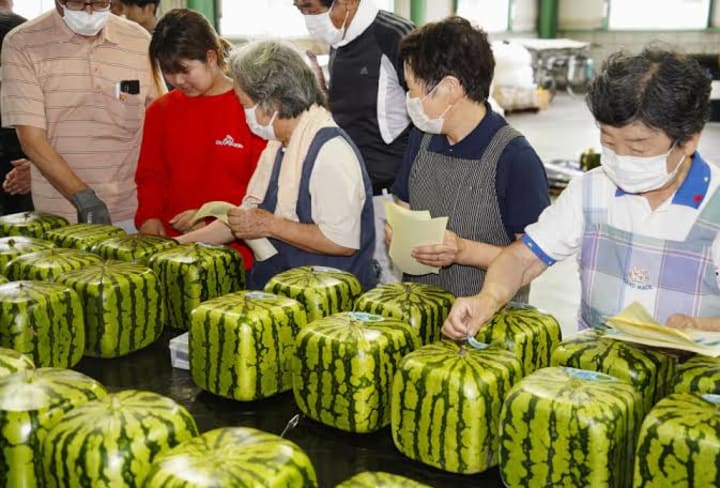
While their novelty shape is the main attraction, square watermelons are also known for their high quality. Grown in special molds, they’re more about aesthetics than taste. Each square watermelon can cost between $200 and $800.
9. Sembikiya Queen Strawberries – Japan
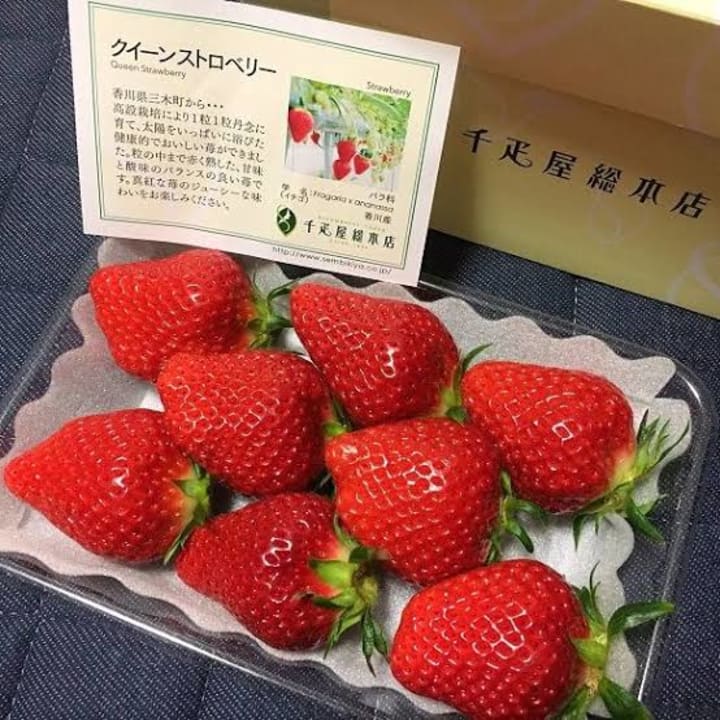
These strawberries are sold by the luxury fruit brand Sembikiya, known for its impeccable produce. Each strawberry is handpicked, perfectly shaped, and beautifully packaged. A box of 12 strawberries can cost up to $85.
10. Decopon Citrus – Japan

Decopon, a hybrid of mandarin and orange, is celebrated for its intensely sweet and juicy flavor. Each fruit is meticulously grown and can cost around $13. Their flawless appearance and delectable taste make them highly sought after.
Why Are These Fruits So Expensive?
Rarity and Limited Production: Many of these fruits are grown in limited quantities, often in specific regions, making them scarce and driving up demand.
Labor-Intensive Cultivation: Farmers use painstaking methods to ensure these fruits meet exacting standards of taste, appearance, and size.
Cultural Significance: In countries like Japan, gifting premium fruits is a tradition, and they symbolize respect and gratitude. This cultural value contributes to their high market price.
Auction Culture: Some of these fruits, such as Yubari melons and Ruby Roman grapes, are auctioned annually, further elevating their price.
Are They Worth the Price?
For most of us, spending thousands on fruit might seem extravagant. However, for those who can afford it, these fruits offer more than just a taste; they represent craftsmanship, heritage, and an experience that’s hard to replicate. Whether as a luxurious gift or a personal indulgence, these fruits are a testament to the lengths humanity will go for perfection.
In the end, the value of these fruits lies in the eyes (and taste buds) of the beholder. For some, they are the ultimate expression of luxury; for others, a fascinating glimpse into a world where even nature’s simplest offerings can become a masterpiece.
About the Creator
Keep reading
More stories from INFO INSIDER and writers in Proof and other communities.
10 Unhappiest Countries In The World
Happiness is often seen as a universal goal, yet not all countries experience it equally. Each year, the World Happiness Report evaluates global happiness levels based on factors like income, social support, life expectancy, freedom, generosity, and corruption. While the happiest nations, like Finland and Denmark, often steal the spotlight, it’s equally important to understand the struggles faced by the unhappiest countries. This blog delves into the 10 unhappiest countries in the world, examining the reasons behind their low rankings and the broader lessons they offer.
By INFO INSIDER about a year ago in Proof
Matcha Cocktails: Green Tea Drinks with a Kick
Matcha isn’t just for your morning latte anymore. This vibrant green powder, made from finely ground Japanese green tea leaves, has stormed the cocktail world with its earthy flavor, bright color, and health perks. If you’re looking for a refreshing drink that packs antioxidants and a gentle caffeine boost, matcha cocktails are your new best friend.
By Andrea Martinez7 days ago in Proof
Cosmic Cocktails: Galaxy-Inspired Drinks to Dazzle Your Night
When it comes to cocktails, sometimes you want to shoot for the stars—literally. Galaxy cocktails have taken the bar scene by storm, dazzling drinkers with shimmering colors, swirling patterns, and out-of-this-world flavors. These cosmic cocktails look like they were plucked from a nebula, glowing softly with iridescent hues that shift from deep purples to electric blues and shimmering silvers. They’re the perfect drinks for anyone who wants to add a little magic and mystery to their night.
By Vivian Chen5 days ago in Proof
The BAFTA Awards
By now, in a stunning departure from recent years, most of the world is aware of what happened at the BAFTA film awards. Social Media Headlines will tell you the bare bones: that John Davidson, a Tourette's Syndrome advocate, shouted a racial slur at two Actors of Colour, Michael B Jordan and Delroy Lindo.
By Natasja Rose2 days ago in Psyche



Comments
There are no comments for this story
Be the first to respond and start the conversation.