
10 Unhappiest Countries In The World
Exploring the Factors Behind Low Happiness Rankings Across the Globe


Happiness is often seen as a universal goal, yet not all countries experience it equally. Each year, the World Happiness Report evaluates global happiness levels based on factors like income, social support, life expectancy, freedom, generosity, and corruption. While the happiest nations, like Finland and Denmark, often steal the spotlight, it’s equally important to understand the struggles faced by the unhappiest countries. This blog delves into the 10 unhappiest countries in the world, examining the reasons behind their low rankings and the broader lessons they offer.
1. Afghanistan: A Nation in Perpetual Conflict

Topping the list of unhappiest countries, Afghanistan’s struggles are deeply rooted in decades of war, political instability, and humanitarian crises. The country’s GDP is one of the lowest globally, with poverty affecting over 90% of the population. Limited access to education and healthcare, coupled with ongoing conflict, severely hampers citizens’ well-being. Moreover, the lack of freedom and pervasive corruption exacerbate the sense of despair among Afghans.
2. Lebanon: Battling Economic Collapse and Political Turmoil

Lebanon’s descent into one of the unhappiest nations stems from a catastrophic economic crisis, political instability, and widespread corruption. The country’s currency has plummeted in value, leading to skyrocketing inflation and unemployment. Essential services, including electricity and healthcare, are severely compromised, leaving citizens frustrated and hopeless. The 2020 Beirut port explosion further intensified public dissatisfaction, symbolizing the broader governmental negligence.
3. Zimbabwe: Struggles with Economic Instability

Zimbabwe faces persistent challenges, including hyperinflation, unemployment, and food insecurity. While the nation is rich in natural resources, mismanagement and corruption have left its citizens struggling to meet basic needs. Poor healthcare infrastructure and limited educational opportunities also contribute to the nation’s low happiness ranking.
4. Sierra Leone: The Burden of Post-War Recovery

Years of civil war have left Sierra Leone grappling with deep-rooted challenges. Although the country has made strides in rebuilding, poverty, limited healthcare, and inadequate education remain significant obstacles. High rates of maternal and infant mortality reflect the fragile state of public health, while unemployment among youth fosters disillusionment.
5. Burundi: Poverty and Political Instability

Burundi’s population endures extreme poverty, with over 70% living below the poverty line. Political unrest and authoritarian governance exacerbate societal challenges, limiting opportunities for growth and development. Malnutrition is widespread, and access to clean water and healthcare remains scarce, further impacting the population’s quality of life.
6. Yemen: A Humanitarian Crisis of Unprecedented Scale

Yemen’s prolonged civil war has created one of the world’s worst humanitarian crises. Millions of people face famine, disease, and displacement. The healthcare system is on the brink of collapse, while basic services are virtually non-existent in many areas. Despite international aid, the scale of suffering continues to grow, leaving Yemen’s citizens in a perpetual state of distress.
7. Syria: The Toll of a Prolonged Civil War
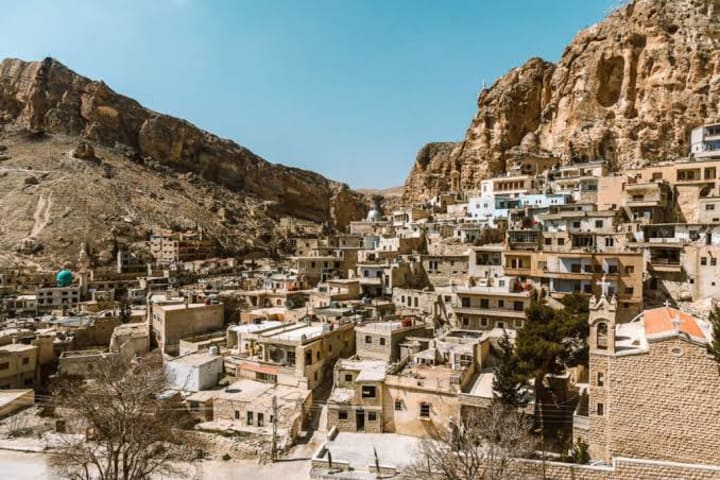
Syria’s decade-long civil war has devastated the country’s infrastructure and economy. Millions have fled the nation, creating one of the largest refugee crises in history. Those who remain face daily threats to their safety, limited access to resources, and a lack of basic freedoms. The trauma of war and the absence of hope for a stable future weigh heavily on the Syrian population.
8. Malawi: Struggles with Developmental Challenges

Malawi, while known for its friendly people, ranks low on happiness due to widespread poverty and limited access to healthcare and education. The country’s predominantly agrarian economy is highly vulnerable to climate change, which exacerbates food insecurity. Efforts to improve infrastructure and social services have been slow, leaving many citizens without the means to improve their living conditions.
9. Haiti: The Weight of Natural Disasters and Political Instability

Haiti’s position among the unhappiest countries is largely due to its vulnerability to natural disasters and chronic political instability. Earthquakes, hurricanes, and other disasters have repeatedly disrupted lives and infrastructure. Corruption and weak governance further hinder recovery efforts, leaving the majority of Haitians struggling to access basic services and opportunities.
10. Botswana: Economic Disparities Despite Progress

Botswana is a surprising addition to this list, given its relatively stable governance and economic growth. However, high income inequality and unemployment, particularly among the youth, contribute to dissatisfaction. Health challenges, including a high prevalence of HIV/AIDS, further diminish overall well-being, despite the government’s efforts to address these issues.
Common Threads in Unhappiness
While each country’s challenges are unique, common themes emerge among the unhappiest nations:
Conflict and Instability: War, political turmoil, and violence have devastating effects on happiness, disrupting lives and economies.
Economic Hardship: Poverty, unemployment, and economic mismanagement create a cycle of despair.
Lack of Access to Basic Services: Limited healthcare, education, and infrastructure exacerbate inequality and hinder progress.
Corruption and Poor Governance: Ineffective leadership erodes public trust and hampers development efforts.
The Path Forward
Addressing the root causes of unhappiness requires a multifaceted approach. International aid, conflict resolution, and sustainable development are essential for creating lasting change. Moreover, empowering local communities and fostering good governance can help rebuild trust and improve quality of life. While the challenges are immense, collective efforts can pave the way for a brighter future in these nations.
Final Thoughts
The unhappiest countries in the world remind us of the deep inequalities that persist globally. Understanding the factors behind their struggles is a crucial step toward addressing them. As global citizens, recognizing and supporting efforts to alleviate these challenges can contribute to a more equitable and happier world.
About the Creator
Keep reading
More stories from INFO INSIDER and writers in Proof and other communities.
10 Animals With Big Lips
Lips are a distinctive and functional feature in the animal kingdom. While we often associate them with humans, many animals boast impressive lips that serve a variety of purposes. From attracting mates to aiding in feeding, these big-lipped creatures showcase how evolution has shaped unique adaptations. Let’s explore ten animals with remarkable lips and the roles they play in their lives.
By INFO INSIDER about a year ago in Proof
Berry Cocktails: Fresh and Antioxidant-Packed Summer Sips
Summer calls for vibrant, refreshing drinks that not only taste amazing but also boost your health. Berry cocktails fit this bill perfectly. Bursting with fresh berries, these cocktails bring a natural sweetness and a punch of antioxidants that help fight free radicals. From strawberries and blueberries to raspberries and blackberries, the range of berries offers a colorful palette and a wealth of nutrients.
By Andrea Martinez5 days ago in Proof
My Future Self Texted Me: “Don’t Trust Him.”
The message came at 2:17 a.m. I remember the exact time because I was still awake, staring at the ceiling, replaying my conversation with Daniel for the hundredth time. My phone buzzed softly against my nightstand, lighting up my dark bedroom in a pale blue glow.
By Maavia tahir7 days ago in Proof




Comments
There are no comments for this story
Be the first to respond and start the conversation.