
Plant Medicine: A Beginner’s Guide to Herbal Remedies
Take a dive into five different plant medicines and their numerous benefits.
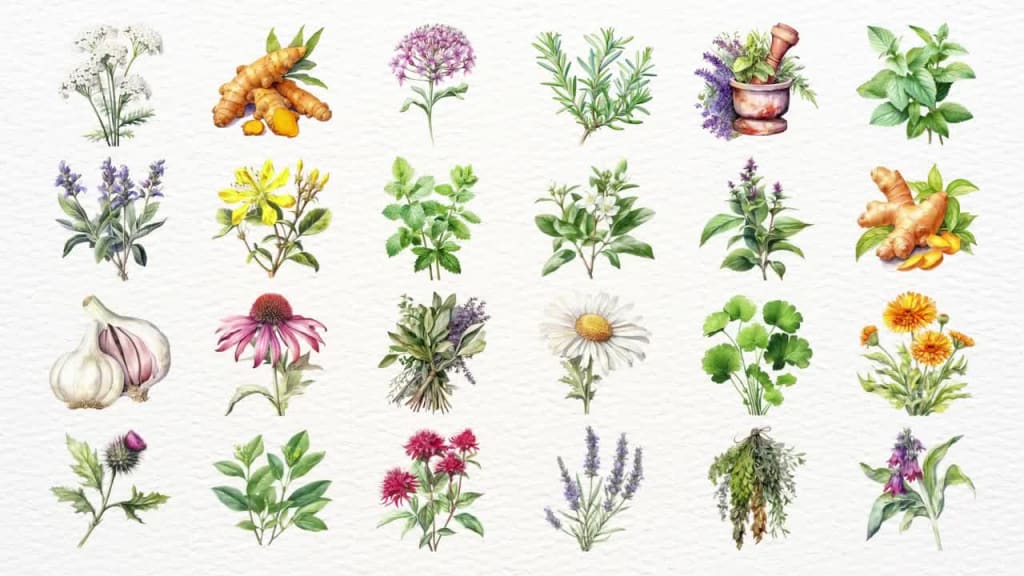
For centuries, humans have turned to the natural world for healing. Plants, with their vast array of bioactive compounds, have played a central role in traditional medicine systems across the globe. Today, the study of plant medicines continues to be a dynamic field, bridging ancient wisdom with modern science. This essay delves into the basic knowledge of plant medicines, exploring their history, benefits, and uses, with a focus on five widely used plant medicines: St. John’s wort, ashwagandha, kratom, ginkgo biloba, and lavender.
Plant medicines, also known as herbal medicines or phytotherapy, involve the use of plant parts such as roots, leaves, bark, flowers, and seeds to treat different health conditions. The bioactive compounds in these plants can have therapeutic effects, including anti-inflammatory, antimicrobial, antifungal, antioxidant, and analgesic properties. The practice of using plants for medicinal purposes is ancient, with evidence dating back to prehistoric times. Indigenous cultures, traditional Chinese medicine (TCM), Ayurveda, and European herbalism are just a few of the traditions that have harnessed the healing power of plants.
St. John’s Wort
St. John’s wort is a flowering plant native to Europe and parts of Asia and Africa. It has a long history of use in traditional medicine, particularly for its antidepressant properties.
St. John’s wort has been used for centuries to treat a variety of conditions, including depression, anxiety, and nerve pain. It was traditionally used by the ancient Greeks and Romans for its medicinal properties and has remained a popular remedy in modern herbal medicine.
St. John’s wort is best known for its antidepressant effects. It contains active compounds such as hypericin and hyperforin, which are believed to contribute to its mood-enhancing properties. Clinical studies have shown that St. John’s wort can be effective in treating mild to moderate depression, often with fewer side effects than conventional antidepressants. Additionally, it has anti-inflammatory and antiviral properties, making it useful for treating minor wounds and skin conditions.
Ashwagandha
Ashwagandha, also known as Indian ginseng or winter cherry, is a small shrub native to India and North Africa. It has been a staple of Ayurvedic medicine for thousands of years.
In Ayurveda, ashwagandha is considered a rasayana, a herb that promotes longevity and vitality. It has traditionally been used to alleviate stress, boost energy levels, and enhance overall well-being. Ashwagandha is also used to support reproductive health and improve cognitive function.
Ashwagandha is renowned for its adaptogenic properties, which help the body manage stress and maintain balance. Research has shown that it can reduce cortisol levels, thereby alleviating stress and anxiety. Additionally, ashwagandha has been found to improve physical performance, increase muscle mass, and enhance endurance. It also has neuroprotective properties, making it beneficial for cognitive health and memory.
Kratom
Kratom is a tropical evergreen tree native to Southeast Asia, particularly Thailand, Indonesia, Malaysia, and Papua New Guinea. Its leaves have been used traditionally for their medicinal properties and as a recreational substance.
Kratom has a long history of use in Southeast Asia, where it has been employed for its stimulant effects at low doses and sedative effects at higher doses. Traditionally, workers in these regions chewed kratom leaves to combat fatigue and increase productivity. In higher doses, kratom near me has been used for its analgesic and sedative properties, making it useful for managing pain and aiding sleep.
Kratom contains several active compounds, including mitragynine and 7-hydroxymitragynine, which interact with opioid receptors in the brain. This interaction can provide pain relief and mood-enhancing effects. Some users have found kratom helpful in managing chronic pain, reducing anxiety, and alleviating symptoms of opioid withdrawal. However, the use of kratom is not without controversy, as its safety and potential for addiction are subjects of ongoing research and debate.
Ginkgo Biloba
Ginkgo biloba, commonly known as ginkgo or maidenhair tree, is one of the oldest living tree species, with a history dating back over 200 million years. It is native to China and has been used in traditional medicine for thousands of years.
Ginkgo biloba has been used in TCM to improve cognitive function, enhance circulation, and treat respiratory issues. It has also been used as a remedy for digestive disorders and to support overall vitality.
The leaves of the ginkgo biloba tree contain flavonoids and terpenoids, which have potent antioxidant properties. These compounds help protect against oxidative stress and support brain health. Ginkgo biloba is widely used to improve memory, enhance cognitive performance, and support mental clarity. It is also known to improve blood circulation, which can benefit cardiovascular health and reduce symptoms of peripheral artery disease.
Lavender
Lavender is a flowering plant native to the Mediterranean region, widely known for its calming and soothing properties. It has been used in traditional medicine and aromatherapy for centuries.
Lavender has been used historically for its calming effects and as a remedy for various ailments, including insomnia, anxiety, and digestive issues. It has also been used topically to treat burns, insect bites, and skin irritations.
Lavender is renowned for its ability to promote relaxation. The utilization of its essential oil in aromatherapy is widely utilized to alleviate anxiety and enhance sleep, quality, and enhance mood. Studies have shown that lavender oil can reduce symptoms of anxiety and depression, making it a valuable tool for mental health. Additionally, lavender has antimicrobial and anti-inflammatory properties, which make it useful for treating skin conditions and promoting wound healing.
Closing Remarks
Plant medicines represent a rich and diverse aspect of human history and healthcare. From the tropical forests of Southeast Asia to the ancient civilizations of Europe and Asia, humans have relied on plants like kratom, ashwagandha, ginkgo biloba, lavender, and St. John’s wort to treat ailments and maintain health. Each of these plants offers unique benefits, rooted in traditional uses and supported by modern scientific research. While the use of plant medicines continues to evolve, their role in promoting health and wellness remains as vital as ever. As we deepen our understanding of these natural remedies, we can better appreciate the intricate relationship between humans and the botanical world.
About the Creator
Keep reading
More stories from writers in Potent and other communities.
Running and Marijuana: Is It the New Runner’s High?
Author’s note: Marijuana is legal for recreational purposes in Arizona, where I reside. Please check your local laws regarding medical or recreational use in your area. In the United States, the federal government still considers marijuana illegal. This article is not intended to give advice. Each person is unique, and this is my personal experience only. The use of marijuana is known to cause a high heart rate, anxiety, and impairment among other side effects for some users. As always, speak with a medical professional before starting any type of exercise program and regarding the use of marijuana.
By Jeff Barton4 days ago in Potent
Wild Card Weekend Recap: What Happens Now?
I think I figured out why I love Wild Card Weekend so much. It's because it's the first playoff anything of the calendar year. The NFL season starts in the fall, and once upon a time, the champion was crowned either on or slightly before New Year's. The evolution of the NFL schedule has resulted in the playoffs starting just into the New Year, and currently, the final week of the season falls on the first weekend of the New Year, with Wild Card Weekend coming a week after that. So yes, chronologically, the NFL's Wild Card Weekend serves as the first playoff anything of the calendar year.
By Clyde E. Dawkins4 days ago in Unbalanced




Comments (1)
I'm a clinical herbalist, and seeing this is lovely. I would like to add a word of caution in the way of St. Johns Wart. She's a lot herb, but anyone looking at using it needs to check and make sure any medicine or even other supplements they take do not interact with St. Johns Wart. It is has particularly dangerous interactions with an extensive list of medications including SSRI, Birth Control, HIV medications, sedatives, and many more. It should also not be taken by those with Bipolar, as it can trigger mania or anyone who has a psychotic condition. Pregnant and breastfeeding mothers should also stay away from this herb unless discussed with a qualified practitioner. Herbalism is beautiful, that's why I became one, but for anyone looking into learning about herbs, please be safe. It is a "healthcare", and is just as indepth as allopathic medicine and pharmacy, even with FDA regulations (if you're in the USA). Be safe and have fun!