
Your dog hate eating from stainless steel bowl - Fixing the Problem
If you’ve ever watched your dog stare at their food bowl with disdain, you know how frustrating it can be. Whether it's the material of the bowl, the smell of leftover detergent, or your dog being a picky eater, there are many reasons why dogs might avoid their food bowls. As a professional dog trainer who has worked with countless breeds, I’m here to help you uncover the mystery and, more importantly, solve it.
The Battle of the Bowl: What Could Be Going Wrong?
1. Odor Issues
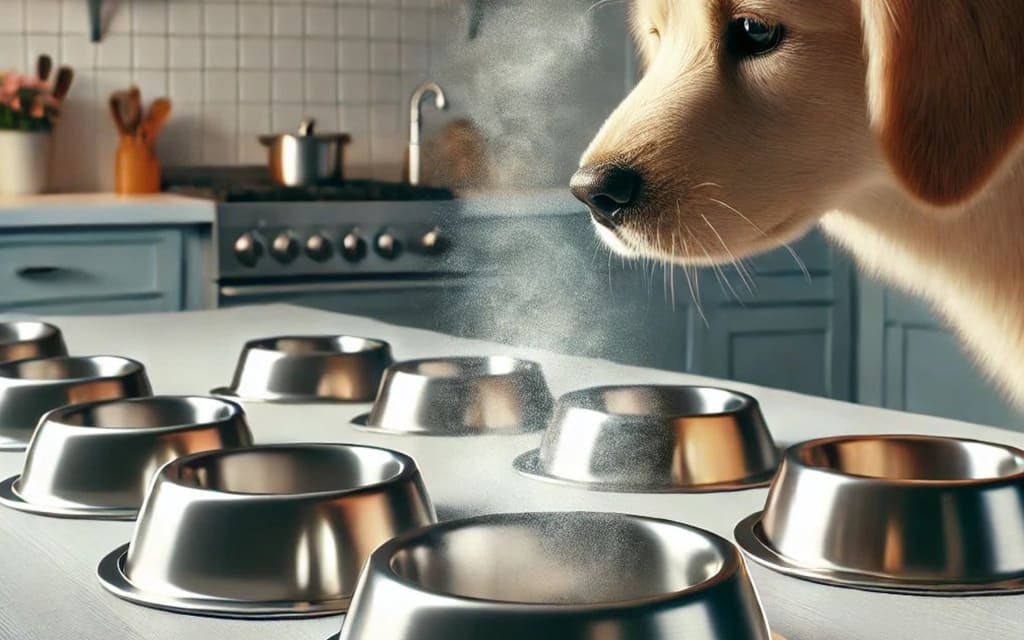
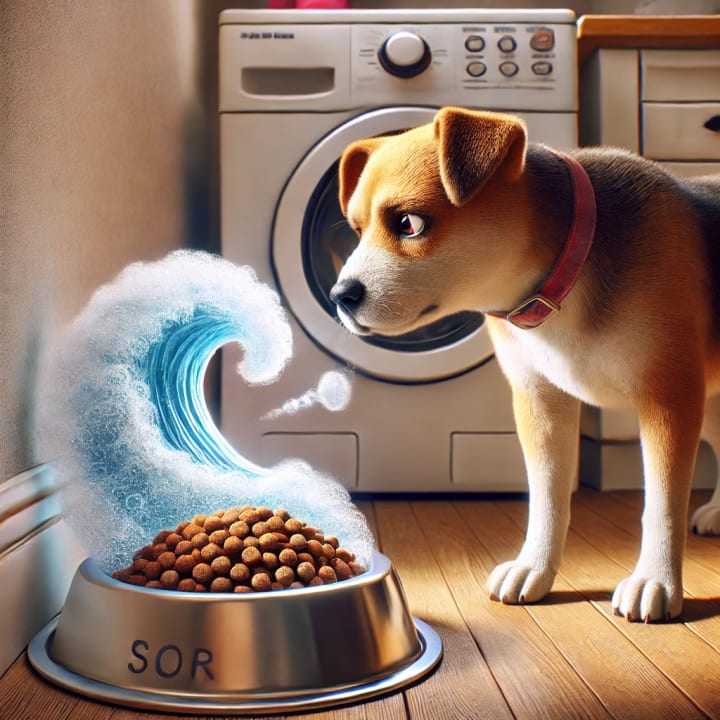
Dogs have an extraordinary sense of smell, and sometimes their food bowl can be a sensory nightmare. Leftover detergent, improperly rinsed, can leave a strong scent that your dog finds unbearable. Similarly, a bowl that hasn’t been cleaned thoroughly may carry the smell of stale food. A quick sniff test might not tell you much, but for your dog, it could be like eating off a plate soaked in bleach.
Pro Tip:
If you’re using stainless steel bowls, soak them overnight in a mixture of water and vinegar or hot water with baking soda. Alternatively, consider switching to a ceramic bowl, which is less likely to retain odors or leave a metallic taste.
2. Bowl Stability
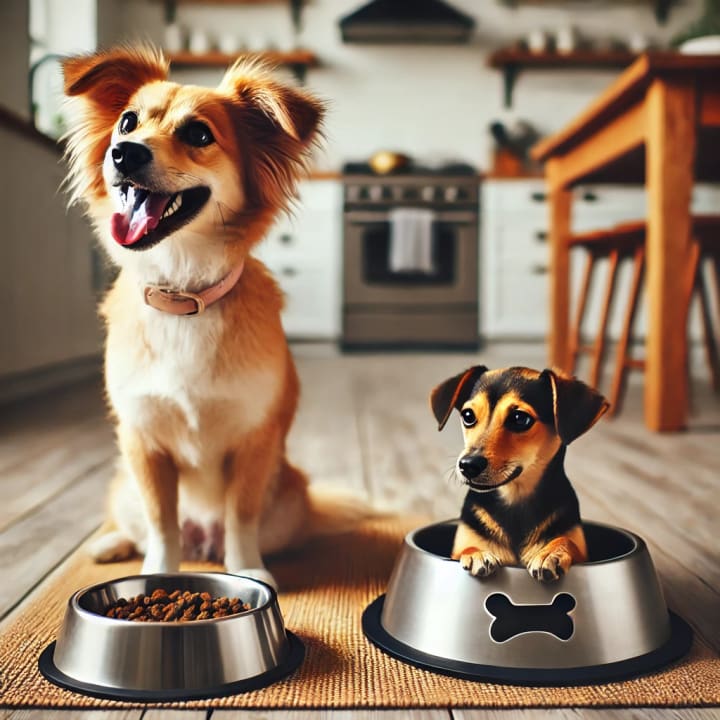
A lightweight bowl that slides around as your dog eats can make mealtime a frustrating ordeal. Imagine chasing your dinner across the table—it’s not fun. A heavy-bottomed bowl or one with a rubber grip can solve this problem instantly. My own dog went from annoyed to happy simply because we swapped his flimsy bowl for a sturdier option.
3. Material Matters
Stainless steel bowls are common, but not all are made equal. Cheaper options might give off a metallic taste that dogs can detect far better than we can. If you’ve ever noticed that some water bottles taste “off,” you’ll understand the issue. Dogs are even more sensitive to these subtleties.
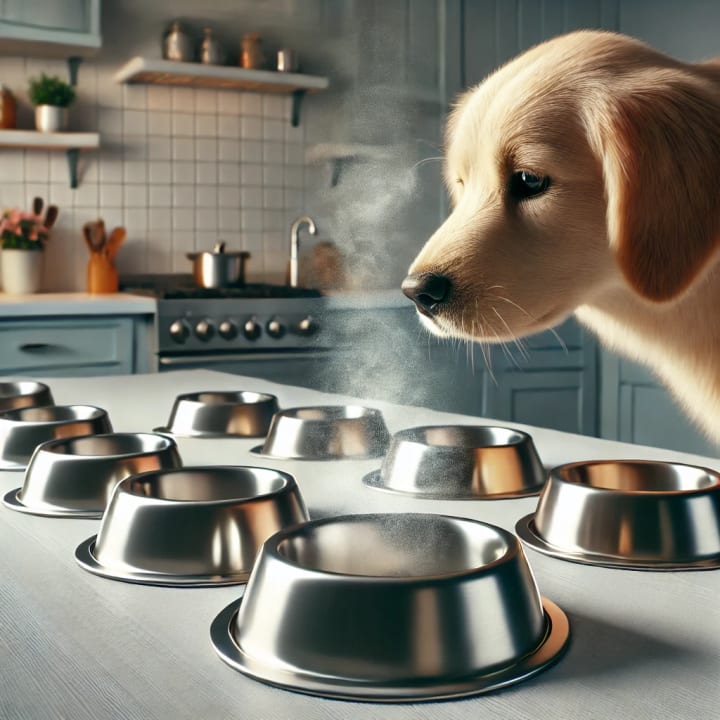
Switching to a ceramic or high-quality food-grade stainless steel bowl can make a world of difference. While ceramic bowls are more fragile, they often feel more natural for dogs and don’t carry that unpleasant metallic undertone.
Why Your Dog Might Refuse Treats or Hand-Feeding
1. Trust Issues
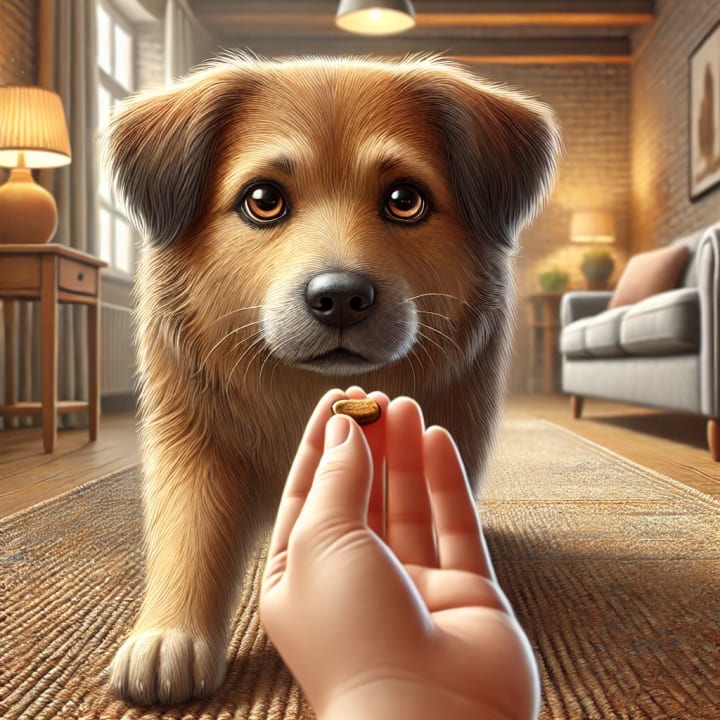
If your dog hesitates to take treats from your hand, it might be a sign of mistrust. Building trust takes time, patience, and consistency. Avoid negative reinforcement, yelling, or using tools like shock collars, which can damage your bond with your dog.
2. Picky Eating or Food Aversion
Sometimes, the issue isn’t the bowl but the food itself. Dogs can grow tired of a particular brand or flavor, or the food may not agree with them. High-quality food rich in meat and healthy fats is more appealing to most dogs. Don’t be afraid to experiment with different options to find what works.
Pro Tip:
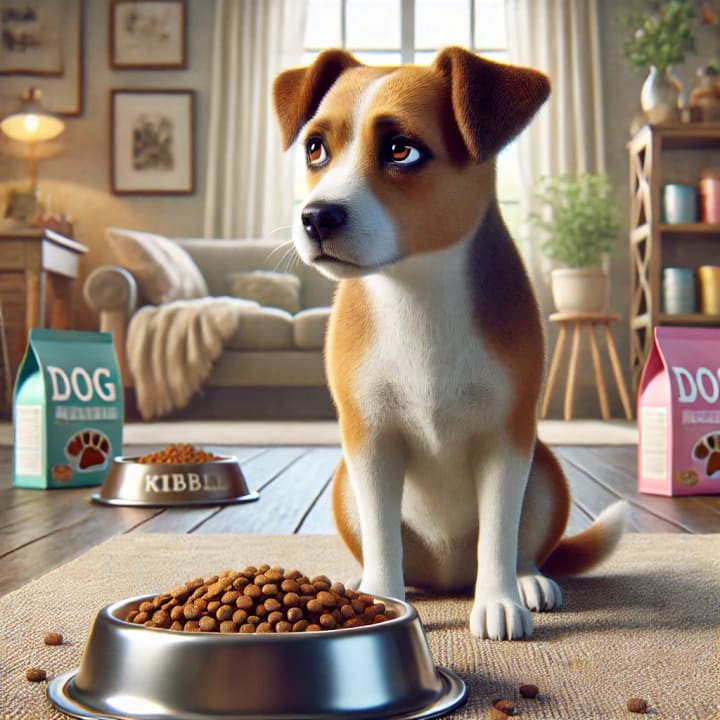
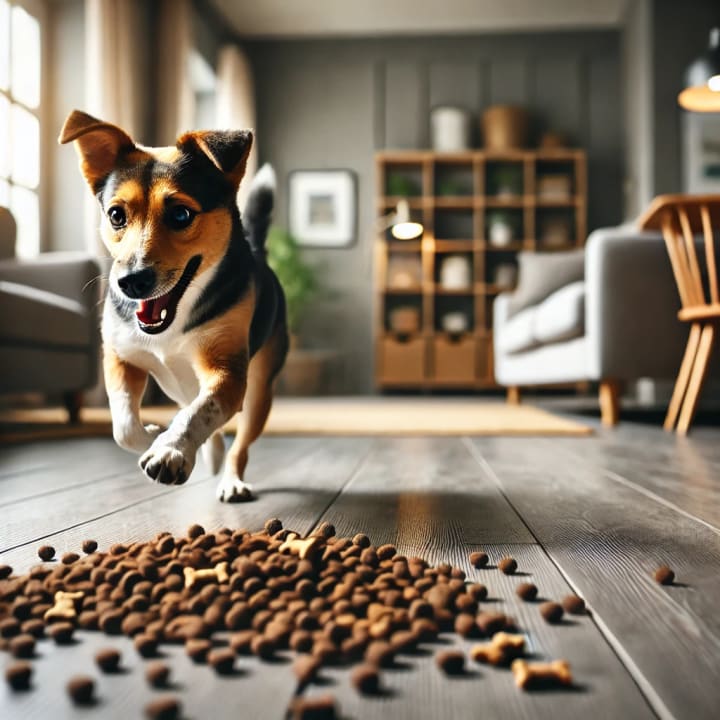
Encourage flexibility by occasionally dropping kibble on the floor or offering food on different surfaces. It might seem unconventional, but it can help your dog get over their aversion to the bowl.
Hand-Feeding: A Bond-Building Experience
Hand-feeding your dog isn’t just a workaround for mealtime challenges; it’s a powerful tool for building trust and strengthening your bond. Here are some benefits:
- Improved Trust: Your dog learns that good things come from you.
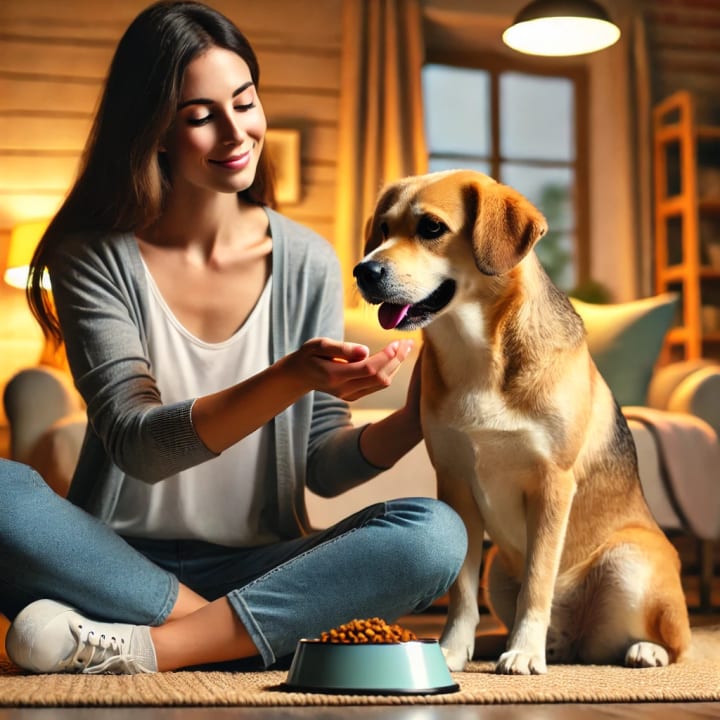
- Resource Guarding Prevention: Regular hand-feeding helps your dog feel secure about food sources.
- Training Opportunities: Meal times double as training sessions, reinforcing good behavior.
- Safety: Slows down fast eaters, reducing the risk of choking.
While hand-feeding might sound tedious, it’s worth the effort. Spending a few extra minutes hand-feeding your dog at breakfast or dinner can turn mealtime into quality bonding time. For my dog, it’s become a routine that keeps us connected and builds trust every single day.
Encouraging Independence at Mealtime
While hand-feeding is valuable, it’s also essential to teach your dog to eat independently. After all, there will be times when you’re not around, and your dog needs to feel comfortable eating from their bowl.
If your dog refuses the bowl entirely, consider these strategies:
- Change the Location: Sometimes, a simple change of scenery can work wonders.
- Skip a Meal (With Caution): For non-toy breeds, skipping a meal can encourage appetite without harm. For small breeds, this is not recommended due to their sensitive blood sugar levels.
- Make It a Game: Skid kibble across the floor to engage your dog’s prey instincts. They’ll chase and eat it without realizing they’re “working” for their food.
When Patience Pays Off
Your dog’s eating habits might test your patience, but remember: they’re not just being difficult. Whether it’s a dislike for stainless steel, fear of sliding bowls, or food aversion, your dog’s behavior often has a root cause. By experimenting with different bowls, foods, and feeding methods, you can solve the mystery and make mealtime enjoyable for both of you.

The reward? A happy, well-fed dog who trusts you more each day. And trust me, nothing beats the gratitude you’ll see in their eyes when you finally get it right.
Thanks for your reading.
About the Creator
Off the Leash: The Essential Gear Guide for Adventurous Dogs
There’s something wildly freeing about unclipping the leash and letting your dog move the way they were built to. If you’re hiking in areas that truly allow off-lead exploration, your gear list shifts. No harness. No leash dragging through dust. Instead, it’s about smart, lightweight essentials that keep your dog safe, hydrated, and easy to manage when adventure gets messy. Long walks off lead are less about control and more about preparation.
By Shabbir Ahmad4 days ago in Petlife



Comments
There are no comments for this story
Be the first to respond and start the conversation.