
Why my puppies do not behave properly?
Are your puppies not well-behaved? Here are 5 reasons why:

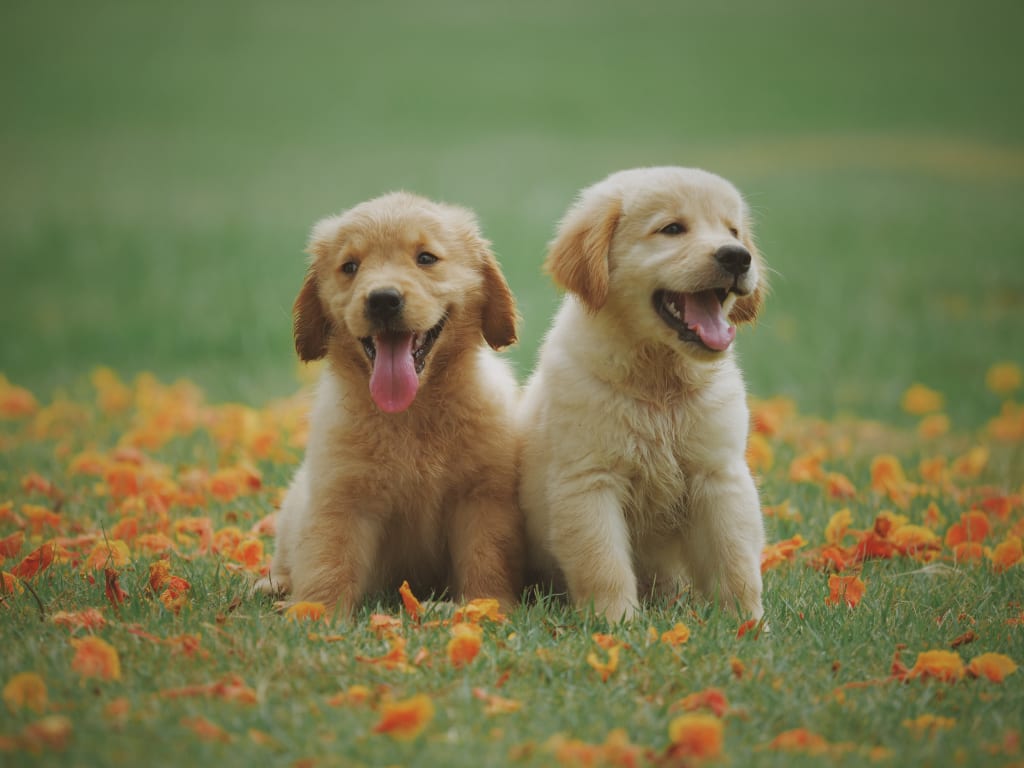
Insufficient socialization:
Socialization refers to the process of exposing puppies to a variety of people, animals, environments, and situations in a positive and controlled way, during a critical period of development that typically occurs between 3 and 14 weeks of age.
If a puppy is not properly socialized during this time, it may develop fear or anxiety toward new people, animals, or situations, which can lead to undesirable behaviors such as aggression, excessive barking, or destructiveness.
Socialization should involve gradually introducing the puppy to new experiences in a positive and controlled way, rewarding them for good behavior and providing reassurance and comfort when they are anxious or fearful. A lack of socialization can also result in a lack of confidence and independence in the puppy, leading to clinginess or separation anxiety.
Health issues:
Puppies who are in pain or discomfort may exhibit changes in behavior, such as aggression, irritability, or lethargy. In some cases, underlying health issues may not be immediately apparent, and a thorough examination by a veterinarian may be necessary to diagnose and treat the problem.
Some common health issues that can affect a puppy's behavior include dental problems, ear infections, digestive issues, and allergies. Pain from conditions such as hip dysplasia or patellar luxation can also cause a puppy to act out. Additionally, some medical conditions may cause changes in a puppy's behavior, such as hormonal imbalances, neurological disorders, or brain injuries.
If you notice changes in your puppy's behavior, it's important to have them evaluated by a veterinarian to rule out any underlying health issues. Treatment for health problems can often improve a puppy's behavior, and addressing any issues early can prevent them from developing into more serious problems down the road.
Lack of training:
Puppies, like all animals, have natural instincts and behaviors that can be challenging to live within a human household. They need to be taught what behaviors are acceptable and what is not through consistent training and positive reinforcement.
Puppy training should begin as early as possible, ideally when the puppy is between 8 and 16 weeks of age. Basic obedience training, such as teaching the puppy to sit, stay, come, and walk on a leash, can help to establish good behavior and build a strong foundation for more advanced training.
Training should be consistent and positive, using rewards such as treats, praise, and playtime to reinforce good behavior. Punishment or physical discipline is not recommended and can lead to fear or aggression in the puppy.
Boredom:
Puppies are active and curious by nature, and they need mental and physical stimulation to prevent boredom and frustration.
A lack of stimulation can lead to a variety of unwanted behaviors, such as excessive barking, destructive chewing, digging, or hyperactivity. Puppies may also become anxious or depressed if they are left alone for long periods without any stimulation.
To prevent boredom, it's important to provide your puppy with plenty of toys, games, and activities to keep them engaged and entertained. Puzzle toys, chew toys, and interactive games can provide mental stimulation, while regular exercise, walks, and playtime can provide physical stimulation.
Lack of consistency:
Puppies thrive on routine and consistency, and they need clear and consistent boundaries to understand what behaviors are acceptable and what are not.
Inconsistent rules or responses from different family members can confuse the puppy and make it difficult for them to learn what is expected of them. For example, if one person allows the puppy to jump on them while another person scolds the puppy for the same behavior, the puppy may not understand what is allowed and what is not.
Inconsistent training and reinforcement can also make it difficult for the puppy to learn and remember behaviors. If the puppy is sometimes rewarded for behavior and sometimes not, they may not understand what they need to do to earn the reward.
About the Creator
A Dart at Dusk
Seconds ago, the sullen sun set on the two of us… my exuberant furry companion and me. A fresh breeze embraces us, delivering welcome relief from the day’s oppressive heat. His typical stumbling and staggering along — apace with a sloth — has turned into trip-trapping, high-stepping, almost skipping along.
By Angie the Archivist 📚🪶3 days ago in Petlife
Real camouflage for people and machines is getting closer thanks to materials inspired by octopuses.
Engineers now have a closer resemblance to octopus skin thanks to a new colour-changing material that can change both its colour and surface roughness in less than 10 seconds. The soft photonic skin was created by Stanford University researchers using patterns on its surface that are tiny than a human hair.
By Francis Dami4 days ago in Petlife


Comments