
Which Wormer is Best for Horses?
Read this blog to know - Which Wormer is Best for Horses?


Parasite control is one of the most important aspects of horse care. Worm infestations can lead to weight loss, colic, poor coat condition, and even life-threatening complications if left untreated. With so many equine wormers available on the market, horse owners often find themselves asking: Which wormer is best for horses?
The answer isn’t as simple as picking one product for all situations. The best wormer depends on your horse’s age, environment, seasonal parasite activity, and veterinary recommendations. In this guide, we’ll explore the types of horse wormers, the parasites they target, and how to create the most effective deworming plan.
Why Horses Need Wormers
Horses are exposed to internal parasites every day while grazing or living in stables. Common equine worms include:
Large strongyles (bloodworms) – cause intestinal damage and colic.
Small strongyles (cyathostomes) – can encyst in the gut lining, leading to sudden illness when they emerge.
Roundworms (ascarids) – often affect young horses, leading to blockages.
Tapeworms – linked to colic and digestive upset.
Bots – fly larvae that attach to the stomach lining.
Since parasites reproduce quickly, strategic worming is necessary to keep horses healthy and to prevent resistance.
Types of Horse Wormers
Equine wormers (anthelmintics) come in different active ingredients, each effective against specific parasites. Here are the main classes:
1. Ivermectin-Based Wormers
Examples: Eqvalan, Noromectin, Bimectin.
Effective Against: Large & small strongyles, pinworms, lungworms, bots, threadworms.
Best Use: General broad-spectrum worming throughout the year.
2. Moxidectin-Based Wormers
Examples: Equest, Quest.
Effective Against: Strongyles (including encysted small redworms), bots, pinworms, lungworms.
Best Use: Autumn and winter treatment for encysted small redworms.
Note: Not recommended for very young or weak horses.
3. Pyrantel-Based Wormers
Examples: Strongid-P, Pyratape P.
Effective Against: Roundworms, pinworms, and at double dose, tapeworms.
Best Use: Spring and autumn for tapeworm control.
4. Fenbendazole-Based Wormers
Examples: Panacur, Safe-Guard.
Effective Against: Roundworms, some strongyles, pinworms.
Best Use: Young horses or when resistance testing shows effectiveness.
Note: Many parasites have developed resistance to fenbendazole, so it is less commonly recommended.
5. Praziquantel-Based Wormers
Examples: Equitape, combined products like Equest Pramox or Equimax.
Effective Against: Tapeworms.
Best Use: Twice yearly (spring and autumn) for tapeworm-specific control.
Strategic Deworming vs. Routine Deworming
In the past, horse owners followed a rotation worming schedule every 6–8 weeks. However, this practice has led to increasing parasite resistance. Today, veterinarians recommend strategic deworming, which includes:
Fecal Egg Count (FEC) testing – to determine worm burden before worming.
Targeted worming – treating only when necessary, instead of blindly rotating products.
Seasonal treatment – addressing encysted small redworms in winter and tapeworms in spring/autumn.
This approach reduces drug resistance and ensures long-term effectiveness of wormers.
Which Wormer is Best for Your Horse?
The “best” wormer depends on what parasite you’re targeting:
For encysted small redworms (winter): Moxidectin (Equest) or a 5-day Panacur Guard course.
For tapeworms (spring & autumn): Pyrantel (double dose) or a combination product with praziquantel (Equimax, Equest Pramox).
For bots (late autumn/winter): Ivermectin or moxidectin.
For foals and young horses: Pyrantel or fenbendazole for ascarids (roundworms).
For adult horses with general worm burden: Ivermectin is a reliable broad-spectrum choice.
Tips for Effective Worming
Do Fecal Egg Counts (FECs): Test every 8–12 weeks to monitor worm burden.
Rotate Pastures: Regularly clean and rotate grazing fields to reduce reinfestation.
Follow Weight Guidelines: Always dose based on accurate horse weight.
Avoid Overuse: Do not worm unnecessarily—only when testing or seasonal needs dictate.
Consult Your Vet: For tailored worming programs specific to your horse and region.
Conclusion
There isn’t a single “best wormer” for all horses. Instead, the ideal choice depends on your horse’s age, season, and specific parasite risks. Moxidectin and praziquantel combinations (like Equest Pramox or Equimax) are popular all-in-one solutions for many owners, while ivermectin remains a trusted broad-spectrum option.
Ultimately, the most effective worming strategy combines targeted deworming, regular fecal egg counts, and veterinary guidance. By tailoring your approach, you’ll protect your horse’s health and help preserve wormer effectiveness for years to come.
About the Creator
Thomas Muller
VetSupply is a leading online pet store in Australia with a comprehensive range of products that cater to all your pet care needs.
Keep reading
More stories from Thomas Muller and writers in Petlife and other communities.
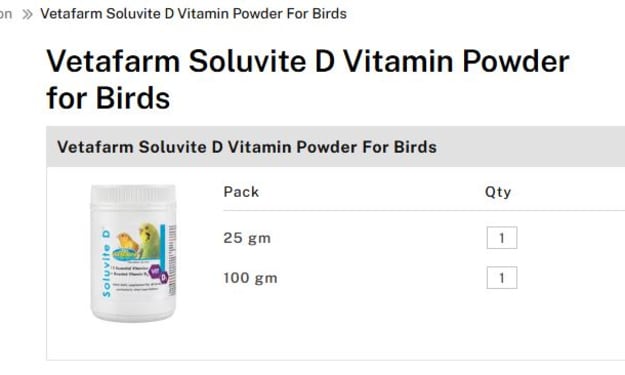
Vetafarm Soluvite D Vitamin Powder for Birds
Ever looked at your parrot and wondered if they’re getting all the tiny nutrients they need? Birds are small packages of big nutritional needs — and vitamin balance plays a huge role in their health. Vetafarm Soluvite D is a vitamin powder many bird owners use to top up those needs — especially vitamin D, which is crucial for bone strength and calcium absorption. In this guide I’ll walk you through what it is, when to use it, how to mix and give it, plus safety tips so your feathered friend gets the benefits without the risks. Ready? Let’s dive in.
By Thomas Muller6 months ago in Petlife
Understanding the Causes, Symptoms, and Treatment Options for Colitis in Dogs
Colitis in dogs is a common gastrointestinal condition that affects the large intestine (colon). When the colon becomes inflamed, it can lead to uncomfortable and sometimes alarming symptoms for your pet.
By Dominion Valley Animal Hospital5 days ago in Petlife
30 Days in a Shelter
By day 3, the barking changes. The first 48 hours are chaos. Intake processing. New smells. Metallic doors slamming. By day 3, some dogs bark constantly. Others stop almost entirely. One paces the kennel line until the pads on his feet redden. Another stands motionless, eyes half-lidded, ignoring visitors.
By Dr. Mozelle Martina day ago in Petlife



Comments
There are no comments for this story
Be the first to respond and start the conversation.