
Vetafarm Soluvite D Vitamin Powder for Birds
Read this blog to know - Vetafarm Soluvite D Vitamin Powder for Birds


Ever looked at your parrot and wondered if they’re getting all the tiny nutrients they need? Birds are small packages of big nutritional needs — and vitamin balance plays a huge role in their health. Vetafarm Soluvite D is a vitamin powder many bird owners use to top up those needs — especially vitamin D, which is crucial for bone strength and calcium absorption. In this guide I’ll walk you through what it is, when to use it, how to mix and give it, plus safety tips so your feathered friend gets the benefits without the risks. Ready? Let’s dive in.
What Is Vetafarm Soluvite D?
At its core, Vetafarm Soluvite D is a multivitamin powder formulated for birds, with an emphasis on vitamin D (hence the “D” in the name). It’s designed to be mixed into water or food to provide an easy daily top-up of essential vitamins for birds that might not be getting enough from diet alone or natural sunlight.
Think of it as a little nutrient insurance policy — handy for times when diet, indoor living, or special physiological needs (like egg-laying) put more strain on your bird’s nutritional reserves.
Who Should Use Soluvite D?
You might consider Soluvite D if you:
Keep indoor birds with limited access to natural sunlight.
Have breeding or egg-laying birds that need extra calcium and vitamin support.
Are caring for juvenile or recovering birds that need a nutrient boost.
Want to support birds during moulting or times of stress.
Not every bird needs daily supplementation — and that’s a key point. Use it responsibly and preferably under the guidance of an avian vet.
Key Benefits of Soluvite D
Why do owners and breeders use this product? Here are the top benefits:
Promotes bone health by aiding calcium absorption (Vitamin D helps the body use calcium effectively).
Supports eggshell quality in laying birds — fewer cracked or thin shells.
Helps during moulting, when vitamin needs can rise.
Boosts general vitality and immunity, especially when used short-term during stress or recovery.
Imagine vitamin D as the hand that unlocks calcium’s potential — without it, calcium can’t do its job well.
Core Ingredients & How They Work
While formulations vary, products like Soluvite D commonly contain a blend of water-soluble vitamins (B-group, vitamin C) and vitamin D3 (cholecalciferol). Here’s why those matter:
Water-soluble vitamins quickly support energy metabolism and immune function.
Vitamin D3 is crucial for regulating calcium and phosphorus — this is the hormone-like vitamin that allows bones and eggshells to form properly.
Important: exact ingredient concentrations can vary with product batches and regions — always check the label for specifics.
When to Use It: Common Scenarios
When should you reach for the powder? Common scenarios include:
Winter or indoor-only birds with little natural sunlight.
Breeding season — to help meet the higher nutritional demand.
After illness or antibiotics, which can reduce nutrient absorption.
During moulting or when feathers look dull.
If the bird is healthy, well-fed on a balanced diet and has access to UV light, they may not need daily supplementation — but short-term use often helps during high-demand periods.
Preparing Soluvite D: Step-by-Step
Ready to mix? Here’s a safe, practical approach:
Read the label first. That’s non-negotiable. Labels tell you exactly how the manufacturer recommends dosing.
Measure carefully. Use the scoop provided (if any) or a precise scale/tsp. Never eyeball it.
Mix with fresh water or food. Many owners dissolve the powder in a measured amount of drinking water or stir it into wet mash.
Stir well and offer immediately. Don’t leave mixed solutions sitting out for long — vitamins can degrade and water gets contaminated.
Simple, right? The trick is to be consistent and hygienic.
Administration Methods
You’ve got options — choose the one that fits your bird and lifestyle:
In drinking water
Pros: Easy for flock situations; consistent intake if your bird drinks normally.
Cons: Some birds drink less when supplements change taste; water can spoil faster, so change daily.
Mixed into food
Good for picky birds or those on seed-only diets where powder can stick to softened seed or pellet mash.
Direct oral dosing
Use a small syringe or pipette for one-on-one dosing (common for chicks or sick birds). This requires confidence and gentle handling.
Whichever method you choose, monitor your bird’s intake so you know they’re actually getting the vitamins.
Dosage Guidelines & Practical Tips
Because product formulations and bird species vary enormously, follow the product label and your vet’s instructions. A few practical, safe rules:
Start low and observe. If you’re worried, use the lowest recommended dose and watch for changes.
Use short courses during high-demand periods (e.g., moulting or breeding) rather than indefinite daily dosing, unless advised by your vet.
Adjust for flock size by calculating the total daily water consumption and adding the measured amount of powder so each bird gets an average dose.
Remember: more is not better. Vitamins (especially fat-soluble ones like D) can build up and cause harm if overused.
Safety, Side Effects & Toxicity Warnings
Vitamin D is powerful stuff — helpful in the right amount, harmful in excess. Watch out for:
Signs of over-supplementation: lethargy, decreased appetite, vomiting, excessive thirst, or abnormal droppings. In severe cases, vitamin D toxicity can cause soft tissue mineralization (calcium deposits where they shouldn’t be).
Interactions: If you’re already giving calcium supplements, double-check totals — too much calcium + extra D without supervision can be risky.
Allergic or negative reactions: Rare but possible — discontinue use if you notice concerning symptoms and call a vet.
If in doubt, call your avian vet. They’re the best person to balance benefits and risks.
Special Cases: Chicks, Pregnant/Laying Birds & Sick Birds
Chicks and juveniles: Their nutritional needs are different — supplementation may be helpful but must be dosed carefully.
Breeding or egg-laying birds: These birds have higher calcium and vitamin D needs — short, targeted supplementation can improve shell quality and breeder health.
Sick or recovering birds: Vitamins help recovery, but underlying causes must be treated by a vet.
Always seek professional advice when handling vulnerable or special-needs birds.
Common Mistakes to Avoid
Don’t fall into these traps:
Overdosing “just to be safe.” That’s a common misconception — overdosing can harm.
Using human supplements instead of bird-specific formulations. Human products often have different concentrations.
Mixing for too long and leaving water out — bacteria grows; vitamins degrade. Change daily.
Assuming one product fixes poor diet. Supplements are just that — complements, not replacements.
A little common sense saves a lot of heartache.
Storage and Shelf Life
Keep the powder in a cool, dry place away from sunlight. Heat and moisture reduce potency.
Seal tightly after each use to prevent contamination.
Check expiry dates and discard if expired or clumpy (moisture absorption).
Proper storage keeps your supplement effective and safe.
Alternatives & Complementary Strategies
Supplements are only one piece of the puzzle. Complement them with:
Balanced, species-appropriate diets (pellets, fresh greens, occasional fruits).
Regular access to safe sunlight or UVB lighting — natural UV helps birds make vitamin D.
Good grooming and gut health — probiotics, prebiotics, and routine vet checks.
Think “food first, supplement second.” If the diet covers most bases, you’ll only need targeted supplementation occasionally.
How to Choose the Right Vitamin Supplement for Your Bird
Selecting a product can feel like wandering a maze. Here’s a short checklist:
Read the label — ingredients, concentrations, recommended use.
Choose bird-specific formulations from reputable manufacturers.
Ask your avian vet — they can recommend brand and dosing.
Avoid multi-products with excessive overlapping vitamins if you’re already supplementing elsewhere.
Good choices come from careful reading and trusted advice.
Conclusion
Vetafarm Soluvite D Vitamin Powder can be a very useful tool in a bird-owner’s toolkit — especially when birds live indoors, are breeding, moulting, or recovering from illness. But with great power comes great responsibility: use the product wisely, measure carefully, and treat supplements as companions to a balanced diet and proper husbandry. When in doubt, your avian vet is the best person to guide you. Give your feathered pal the right support, and they’ll reward you with chirps, color, and lively personality for years to come.
FAQs
1. Can I give Soluvite D to all bird species (budgies, cockatoos, macaws)?
Generally yes — most soluble vitamin powders are safe across species, but dosing and frequency must be adjusted based on species size and life stage. Always check the label and consult your vet for large parrots or very small finches.
2. How long before I see benefits after starting the supplement?
Some improvements (like energy or appetite) may be noticeable in a few days; benefits tied to bone health or eggshell quality can take weeks. Track changes and consult your vet if there’s no improvement.
3. Is sunlight enough instead of using vitamin D powder?
Natural sunlight or proper UVB lighting helps birds produce vitamin D naturally, often reducing the need for supplements. However, indoor-only birds or breeding flocks may still benefit from targeted supplementation.
4. Can I mix Soluvite D with other supplements?
You can, but be careful about overlapping vitamins (especially vitamin D and calcium). It’s best to review all supplements with your vet to avoid excesses.
5. My bird refused the medicated water — what next?
Try mixing the powder into wet food or applying a small amount to a paw so the bird licks it off. For chicks or very sick birds, direct oral dosing with a syringe (under vet guidance) may be necessary.
About the Creator
Thomas Muller
VetSupply is a leading online pet store in Australia with a comprehensive range of products that cater to all your pet care needs.
Keep reading
More stories from Thomas Muller and writers in Petlife and other communities.
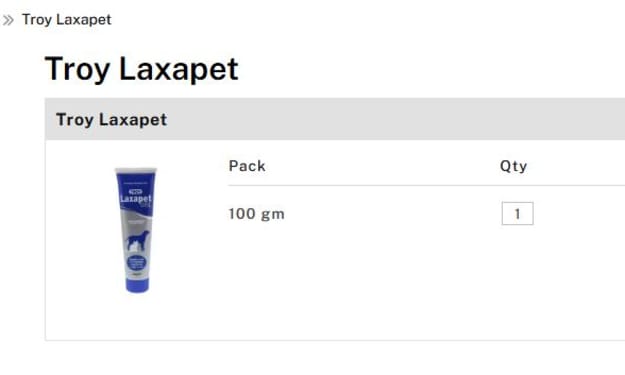
Troy Laxapet Laxative Gel For Cats and Dogs
If you’ve ever noticed your cat coughing up hairballs or your dog struggling with constipation, you know how uncomfortable it can be for them—and worrying for you. That’s where Troy Laxapet Laxative Gel comes in. This vet-recommended product is designed to help pets pass hairballs and relieve constipation, making it a must-have for pet parents.
By Thomas Muller6 months ago in Petlife
MY CREW
shared affection. "Welcome home, my boys," I murmured, my voice thick with emotion, as I watched you two navigate your burgeoning friendship. The late afternoon sun cast long shadows across the living room, illuminating the dust motes dancing in the air, and for the first time in a long time, my heart felt truly, completely at ease. The journey from the ache of loss to this vibrant, hopeful present had been unexpected, profound, and undeniably beautiful, all thanks to the silent language of love spoken by these magnificent creatures who had found their way into my life.
By Vera Myles4 days ago in Petlife
Pearl
1980 something. we all hung out at Pearl and you and i were nothing special, or so i thought. i mean we all danced, drenched in our own sweat, our own saline solution of fear, too many beers, shots, laughter, tears, fucks in the bathroom and i don't know when we began to be afraid. do you?
By ROCK aka Andrea Polla (Simmons)2 days ago in Fiction



Comments
There are no comments for this story
Be the first to respond and start the conversation.