
Which type of cat litter is best?
Check the best type of cat litter for your feline friend. Explore various options, including clumping, non-clumping, silica gel, and biodegradable litters, to find the perfect fit for your cat's needs.
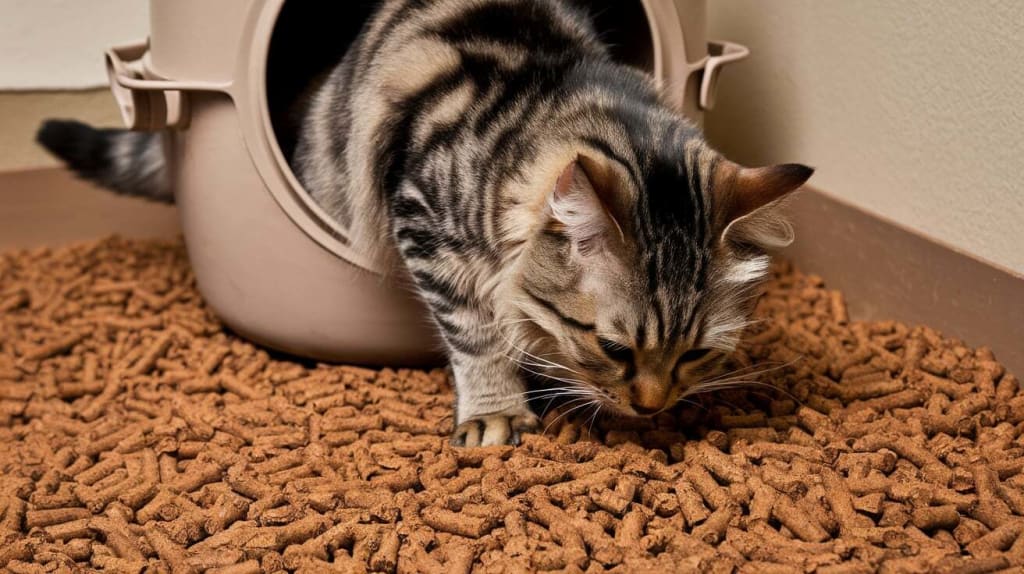
Choosing the right cat litter is crucial for the health and happiness of your feline companion. Not only does it impact your cat's comfort, but it also affects the cleanliness of your home. With so many options available—from clay to biodegradable varieties—it can be tough to figure out which type is best.
In this article, we’ll break down the various types of cat litter, their benefits and drawbacks, and give you tips on how to choose the best one for your cat.
Types of Cat Litter
Let’s take a closer look at the different types of cat litter on the market.
Clay Cat Litter
Clay cat litter is one of the most commonly used types. It’s made from natural clay materials and comes in two main varieties:
Sodium Bentonite (Clumping)
This type clumps together when it gets wet, making it easier to scoop out waste. The clumping action helps to keep the litter box cleaner and odor-free.
Non-Clumping Clay
Non-clumping clay absorbs moisture but doesn’t form clumps. It can be less convenient to clean, as you have to replace the entire box more frequently.
Biodegradable Cat Litter
If you’re looking for an eco-friendly option, biodegradable best cat litter in India is the way to go. Here are a few popular types:
Wood-Based
Made from compressed sawdust, this type is natural and can be composted. It absorbs moisture well and has a pleasant pine scent.
Paper-Based
Recycled paper pellets are soft and gentle on your cat's paws. They’re also absorbent and good for controlling odors.
Corn-Based
Corn-based litter is both absorbent and clumping. It’s made from natural corn fibers and is biodegradable, making it a great option for environmentally conscious pet owners.
Wheat-Based
Similar to corn, wheat litter absorbs moisture and clumps effectively. It’s also biodegradable and has natural odor-control properties.
Crystal Cat Litter
Crystal litter is made from tiny crystals that absorb moisture and control odors. It's low in dust, which can be beneficial for cats with respiratory issues. However, it does not clump, so cleaning can be a bit trickier.
Silica Gel Cat Litter
Silica gel litter consists of tiny silica crystals that absorb moisture and odors. It can last longer than traditional clay litters, but some cats may find it less comfortable.
Factors to Consider When Choosing Cat Litter
When selecting the right litter, consider these factors:
Absorbency
A litter that absorbs moisture effectively will help control odors and keep your cat comfortable.
Odor Control
Look for litters that offer good odor control, especially if you live in a small space.
Dust Levels
Dust can be harmful to your cat's respiratory system. Low-dust options are better for cats with allergies or sensitivities.
Cost
Consider your budget. While some litters may be more expensive upfront, they may save you money in the long run if they last longer or require fewer changes.
Environmental Impact
If sustainability is important to you, opt for biodegradable litters that are compostable or made from recycled materials.
The Pros and Cons of Each Type of Cat Litter
Now, let’s delve deeper into the advantages and disadvantages of each litter type.
Clay Cat Litter
Advantages:
Excellent absorbency and odor control.
Easy to find in stores.
Clumping options make cleaning simple.
Disadvantages:
Non-biodegradable and environmentally harmful.
Dust can be a problem for sensitive cats and humans.
Biodegradable Cat Litter
Advantages:
Eco-friendly and made from natural materials.
Soft on paws and often low in dust.
Can be composted (check local regulations).
Disadvantages:
May be more expensive than traditional litters.
Some types may not control odors as effectively.
Crystal and Silica Gel Cat Litter
Advantages:
Excellent odor control and moisture absorption.
Long-lasting compared to other litters.
Disadvantages:
Can be uncomfortable for some cats.
Higher initial cost, but lasts longer.
How to Transition Your Cat to a New Litter Type
Changing your cat's litter doesn’t have to be a stressful process. Here’s how to do it smoothly:
Mix Old and New: Start by mixing a small amount of the new litter with the old litter.
Gradual Increase: Over the next few days, gradually increase the proportion of the new litter while decreasing the old litter.
Monitor Behavior: Keep an eye on your cat's behavior. If they seem hesitant, slow down the transition.
Praise and Treats: Encourage your cat with praise and treats when they use the new litter.
FAQs
What litter do most cats prefer?
Most cats prefer clumping litter because it makes it easier for them to bury their waste. However, preferences can vary, so observe your cat's behavior.
How often should I change my cat's litter?
Ideally, you should scoop the litter daily and change it completely every 1-2 weeks, depending on the type of litter and the number of cats you have.
Is clumping litter bad for cats?
Clumping litter is generally safe for cats. However, some owners worry about ingestion; monitor your cat to ensure they’re not eating the litter.
Can I mix different types of litter?
Yes, you can mix different types of litter, but it’s best to introduce one type at a time to see which your cat prefers.
How do I clean the litter box properly?
Scoop the litter daily and wash the box with mild soap and water every few weeks. Avoid harsh chemicals that could deter your cat.
Conclusion
In conclusion, choosing the best cat litter depends on various factors, including your cat’s preferences, your budget, and environmental considerations. Clay, biodegradable, crystal, and silica gel litters all have their pros and cons. By understanding these options and monitoring your cat’s behavior, you can make an informed decision that keeps both you and your furry friend happy.
About the Creator
Keep reading
More stories from Pawsand paws and writers in Petlife and other communities.
Is Pedigree Meat Jerky Good for Dogs?
If you’re a dog owner, you’ve likely seen Pedigree Meat Jerky on the shelves of your local pet store. As a popular treat, it promises to be a delicious and nutritious option for your furry friend. But is Pedigree Meat Jerky really good for dogs? Let’s dive into the details to find out.
By Pawsand pawsabout a year ago in Petlife
A Dart at Dusk
Seconds ago, the sullen sun set on the two of us… my exuberant furry companion and me. A fresh breeze embraces us, delivering welcome relief from the day’s oppressive heat. His typical stumbling and staggering along — apace with a sloth — has turned into trip-trapping, high-stepping, almost skipping along.
By Angie the Archivist 📚🪶about 21 hours ago in Petlife
The Royal Cat Who Feared Bananas: A Tale of Oddities and Royalty
In the quaint little house on Maple Street, where the neighbors would wave as they walked their dogs, lived a cat who was, without a doubt, the strangest of all the felines in the neighborhood. Her name was Duchess Whiskers, and she was convinced that she was royalty. But despite her airs of elegance and refinement, she had one significant problem that threatened to ruin her majestic facade: she was absolutely terrified of bananas.
By Ahmed aldeabella7 days ago in Petlife


Comments
There are no comments for this story
Be the first to respond and start the conversation.