
What Dog Food Is Best for Growing Puppies?
Choosing the Best Dog Food for Your Growing Puppy: Essential Nutrients for Healthy Development
When it comes to choosing the best food for growing puppies, it’s crucial to consider their unique nutritional needs. Puppies are in a critical phase of development, and the food they eat directly impacts their growth, energy levels, and overall health. Just like humans, dogs require different nutrients during their growth stages, and selecting the right dog food can set the foundation for a long, healthy life.
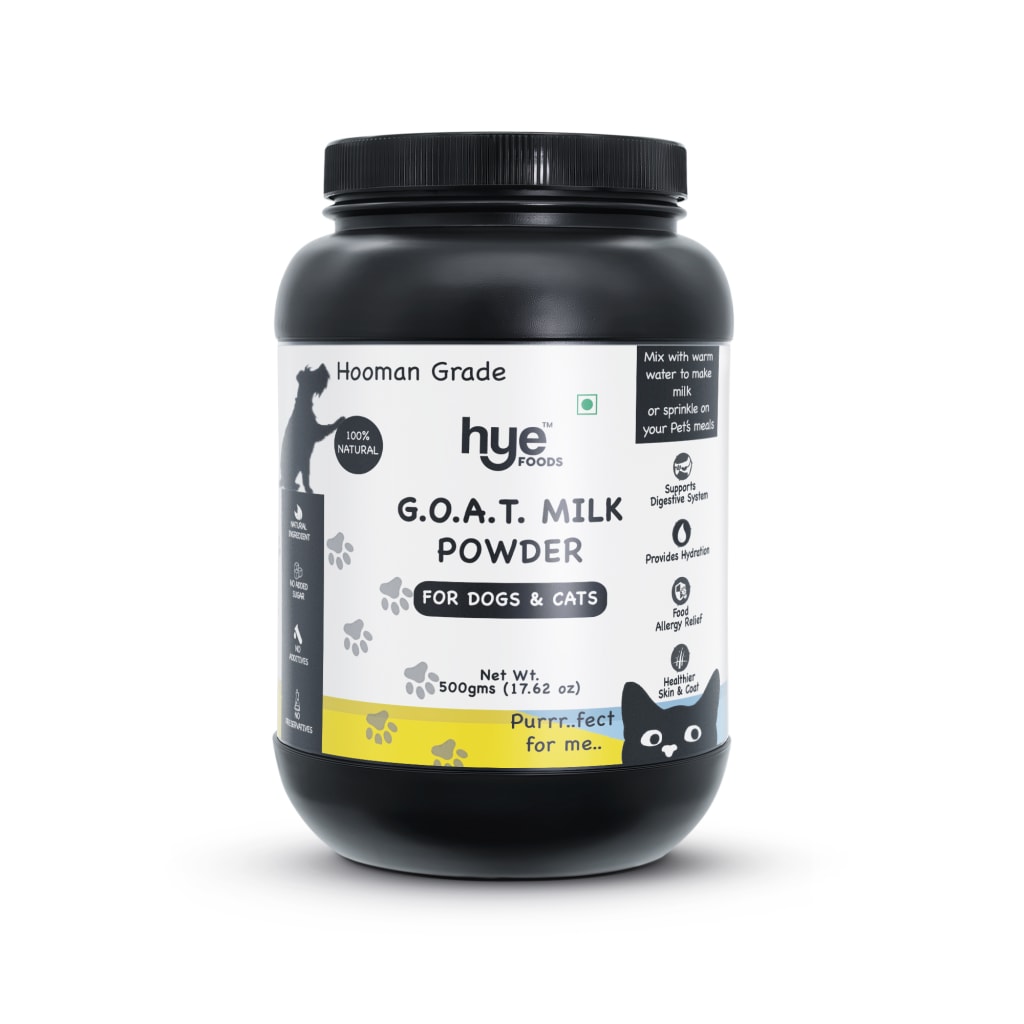
In this article, we’ll explore what makes the best dog food for puppies, what specific ingredients to look for, and how you can supplement their diet with healthy additions like goat milk for dogs to support digestion and immune health.
Why Special Puppy Food?
Puppies require more energy and nutrients than adult dogs due to their rapid growth. They need a diet that provides essential proteins, fats, and vitamins that promote strong bones, muscles, and immune systems. While adult dog food is formulated to maintain the health of a fully grown dog, puppies need food that supports their developmental milestones, including brain and organ growth, strong teeth, and muscle development.
If you want to ensure your puppy thrives, choosing the right puppy food that caters to these developmental needs is a must.
Key Ingredients to Look for in Puppy Food
When shopping for puppy food, there are several critical ingredients to look out for that will support their growth:
1. High-Quality Protein
Protein is essential for a puppy’s growth. It helps with muscle development and tissue repair. Look for high-quality animal-based protein sources like chicken, turkey, beef, or lamb. These proteins are easily digestible and provide the necessary amino acids that puppies need for muscle building.
2. Healthy Fats
Fats are another vital source of energy for puppies, and they also support healthy skin and coat development. Healthy fats like Omega-3 and Omega-6 fatty acids, often found in fish oils or flaxseeds, are critical for brain and eye development. A good balance of fat content will help your puppy grow at the right pace and maintain their energy levels.
3. Calcium and Phosphorus
The right balance of calcium and phosphorus is important for the healthy development of a puppy’s bones and teeth. Puppies are growing at a rapid rate, so they need adequate amounts of these minerals to build strong skeletal systems. However, an improper balance can lead to bone issues later in life, so choose puppy food that has the correct ratio recommended by veterinary experts.
4. DHA (Docosahexaenoic Acid)
DHA is an Omega-3 fatty acid that plays a key role in the development of the brain and nervous system. Most high-quality puppy foods contain DHA, but it’s always a good idea to check the label to make sure it’s included. DHA supports cognitive function and can help with learning and behavior development in puppies.
5. Digestible Carbohydrates
Carbohydrates provide the energy that puppies need for their active lives. Look for easily digestible sources of carbs like brown rice, sweet potatoes, and oats. These ingredients are high in fiber and help maintain a healthy digestive system.
6. Vitamins and Minerals
Vitamins such as A, D, and E, as well as minerals like zinc and selenium, are crucial for immune health and overall well-being. Puppies require a steady supply of these vitamins and minerals to ensure their body systems function optimally.
Types of Dog Food for Puppies
There are several types of puppy food available on the market, and selecting the right one depends on your puppy’s breed, size, and any special dietary needs they may have. Here are the most common types of dog food for puppies:
1. Dry Puppy Food (Kibble)
Dry dog food is one of the most popular choices for growing puppies. It is convenient, often more affordable than wet food, and helps with dental health by reducing plaque and tartar buildup. However, be sure to choose high-quality kibble with no fillers like corn or soy. Look for protein-rich formulas and a balance of essential nutrients.
2. Wet Puppy Food
Wet food is another option for puppies, and it can be a good choice for picky eaters or puppies that need extra hydration. Wet food tends to be more flavorful and can help stimulate the appetite of fussy puppies. It’s also easier to digest for puppies with sensitive stomachs. Be cautious of wet foods that contain too many artificial additives or preservatives. Opt for healthy, nutritious options.
3. Raw Food
Raw feeding is a growing trend, and many pet owners swear by it for providing the most natural and wholesome diet for their puppies. Raw dog food typically consists of uncooked meat, bones, and vegetables. If you’re considering a raw food diet for your puppy, make sure to do extensive research or consult a veterinarian to ensure you’re providing balanced nutrition and avoiding any health risks associated with feeding raw meat.
4. Freeze-Dried or Dehydrated Food
Freeze-dried and dehydrated foods are an option for puppies that want a combination of dry and wet food benefits. They are lightweight, easy to store, and can be rehydrated with water to make them more palatable. They often contain high-quality protein sources and are free from artificial ingredients, making them a nutritious option for growing puppies.
Adding Goat Milk for Dogs to Support Growth
While choosing the best dog food for your puppy is essential, adding extra supplements can help boost their nutrition. One such addition is goat milk for dogs. Goat milk is rich in essential nutrients such as protein, calcium, and vitamins, and it is easier to digest than cow's milk. It contains probiotics, which help maintain a healthy gut, improve digestion, and support the immune system. Adding goat milk to your puppy's food can help support their overall health and provide a natural, tasty treat.
Goat milk is especially beneficial for puppies with sensitive stomachs or those transitioning to solid foods. It can aid in digestion and help soothe gastrointestinal issues that may arise as puppies adjust to new foods.
Wet Food vs. Dry Food for Puppies
When deciding between wet and dry food, consider your puppy’s preferences and health needs. Wet food is often more appealing to puppies, especially if they are transitioning from nursing. It’s also easier to chew for puppies with sensitive teeth. However, dry food is more convenient, promotes dental health, and is typically more affordable in the long run.
Many pet parents opt for a mix of wet and dry food, which can provide the best of both worlds. You can mix kibble with wet food to encourage your puppy to eat while ensuring they receive the nutritional benefits of both options.
Best Dog Food for Puppies
Here are a few recommendations for top-rated puppy foods that meet the nutritional requirements for growing dogs:
Royal Canin Puppy Food: Royal Canin is known for producing breed-specific formulas, and their puppy food is no exception. It includes high-quality protein and vitamins to support healthy growth and immune function.
Hill’s Science Diet Puppy Food: Hill’s Science Diet offers a great balance of protein, fats, and essential vitamins that puppies need. It’s formulated with DHA for brain development and provides digestible carbohydrates for energy.
Blue Buffalo Life Protection Formula Puppy Food: Blue Buffalo is a trusted name in dog food, and their puppy formula is made with deboned chicken, brown rice, and sweet potatoes. It also includes DHA to support brain development.
Wellness CORE Grain-Free Puppy Food: Wellness CORE’s grain-free puppy food is packed with protein and Omega-3 fatty acids. It’s an excellent option for puppies with food sensitivities or allergies.
Conclusion
Choosing the right food for your growing puppy is one of the most important decisions you’ll make as a pet owner. Puppies have unique nutritional needs that require a balanced diet rich in proteins, fats, and essential nutrients. High-quality dog food formulated specifically for puppies will support their growth, energy, and development.
Consider adding goat milk for dogs to provide additional digestive and immune support. Whether you choose dry food, wet food, or a combination of both, always ensure that the food you select contains the essential nutrients your puppy needs to thrive. With the right dog food, your puppy will grow into a healthy, happy adult dog.
For more information, visit us at: www.hyefoods.com
Read more article:
How Pet Food Can Impact Your Dog’s Skin and Coat Health
The Benefits of High-Protein Dog Food for Active Breeds
What’s The Best Dog Food for Puppies and Growing Dogs?
How to Read Cat and Dog Food Labels: What Matters Most?
Cracking the Kibble Code: Finding your Cat’s Inner Foodie with the Purrfect Diet
A Comprehensive Overview on Goat Milk for Dogs: Health Benefits, Risks, and Practical Tips
About the Creator
A Dart at Dusk
Seconds ago, the sullen sun set on the two of us… my exuberant furry companion and me. A fresh breeze embraces us, delivering welcome relief from the day’s oppressive heat. His typical stumbling and staggering along — apace with a sloth — has turned into trip-trapping, high-stepping, almost skipping along.
By Angie the Archivist 📚🪶5 days ago in Petlife
Japan Pet Food Market Size and Forecast, 2026–2034
Market Snapshot The Japan Pet Food Market is projected to expand significantly, growing from US$ 6.72 billion in 2025 to US$ 14.68 billion by 2034, registering a robust CAGR of 9.07% during the period 2026–2034. This growth is being driven by rising pet ownership, increasing pet humanization, strong demand for premium and functional nutrition, and growing awareness around pet health, aging, and preventive care.
By Aaina Oberoi4 days ago in Petlife



Comments
There are no comments for this story
Be the first to respond and start the conversation.