
Top 10 Best Dog Training Tips
Best Dog Traning Tips
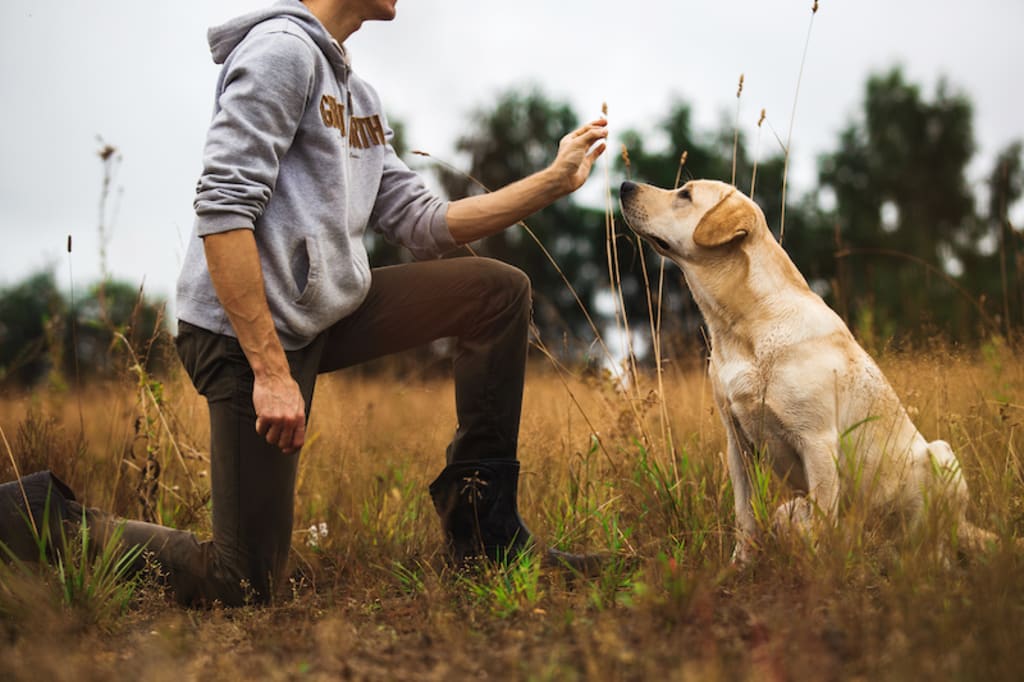
The best dog training is a training program that focuses on positive reinforcement and uses techniques that are humane, effective, and safe for the dog. This type of training emphasizes rewarding desired behaviors rather than punishing unwanted ones.
There are several methods of dog training, including positive reinforcement, clicker training, and obedience training. Positive reinforcement training involves rewarding a dog for desired behaviors with treats, praise, or playtime. Clicker training involves using a clicker to mark desired behaviors, followed by a reward. Obedience training focuses on teaching dogs basic commands like sit, stay, and come.
Regardless of the specific method used, the best dog training treats are tailored to the individual dog's needs and personality. They are consistent, patient, and provide clear communication to the dog. It's also important that the owner or trainer be committed to the training process and maintain consistency in their interactions with the dog.
It's worth noting that training is an ongoing process and should continue throughout the dog's life. Consistent training can help prevent problem behaviors and strengthen the bond between the dog and its owner.
10 Best Dog Training Tips
In this article we descused about some of the best dog training tips in detail:
1. Start training early: Puppies are like sponges, they absorb everything around them, including your training efforts. It's best to start training your puppy as soon as you bring them home, typically at around 8 weeks old. Starting early will help you establish good habits and behaviors from the start.
2. Use positive reinforcement: Positive reinforcement involves rewarding your dog for good behavior, rather than punishing them for bad behavior. This could include verbal praise, treats, or playtime. Positive reinforcement training is a proven and effective method that helps build a strong bond between you and your dog.
3. Be consistent: Consistency is key when it comes to dog training. You need to use the same commands and techniques each time you work with your dog, and everyone in the household should be on the same page. Inconsistency can lead to confusion and slow progress.
4. Keep training sessions short: Dogs have a short attention span, so it's important to keep training sessions short and sweet. Aim for 10-15 minutes per session, and be sure to end on a positive note.
5. Set realistic goals: Don't expect your dog to learn everything all at once. Break training down into small, achievable goals, and work your way up from there. Celebrate each small victory along the way.
6. Use high-value treats: Treats are a great way to reward your dog during training, but not all treats are created equal. Use high-value treats, such as small pieces of chicken or cheese, to keep your dog motivated and interested in the training process.
7. Practice in different environments: It's important to practice training in a variety of environments, so your dog learns to generalize their training. Start training at home, then gradually move to new locations with more distractions.
8. Be patient: Dog training takes time and patience. Don't get frustrated if your dog doesn't pick up a new behavior right away. Keep working at it, and be consistent with your training efforts.
9. Use a clicker: Clicker training is a popular method that involves using a clicker to mark good behavior, followed by a reward. The clicker serves as a signal to the dog that they've done something right. Clicker training is easy to learn and can be very effective.
10. End on a positive note: Always end your training sessions on a positive note, with a successful behavior and a reward. This will help your dog associate training with positive experiences, making them more eager to learn in the future.
Conclusion
Effective dog training requires patience, consistency, and positive reinforcement. It's important to start training early, use high-value treats, set realistic goals, and practice in different environments. Clicker training is a popular and effective method, and it's important to end each training session on a positive note. Remember that training is an ongoing process and requires time and effort, but with dedication, you can build a strong bond with your dog and enjoy a well-behaved and happy companion.
About the Creator
Keep reading
More stories from writers in Petlife and other communities.
Cleo's First Puppy Show
"How would you feel about doing the Corsicana show in November?" Kathleen asked me last September. Dog exhibitors speak in shorthand that way. It's easier to say "the Corsicana show" than it is to say the "North East Texas American Eskimo Dog Association Show." And yes, "North East." I guess "Northeast" shortened the name too much for some people's taste . . . But I digress. In response, I asked two of the three important questions that every exhibitor thinks, first thing.
By Kimberly J Egan30 days ago in Petlife
When the night falls silent, my dog starts barking.
When night finally settles in, I expect silence. The lights are off, the phone is charging, and the world feels like it’s holding its breath. This is the moment when everything is supposed to slow down. But just when the silence feels complete, it does.
By Paw Planet about 7 hours ago in Petlife



Comments (1)
This is an awesome guide and Helpful to my dog Golden Retriever - Oliver.