
The Ultimate Guide to Pet Nutrition: What Every Pet Owner Should Know
Finding the Best Nutrition for Your Pet
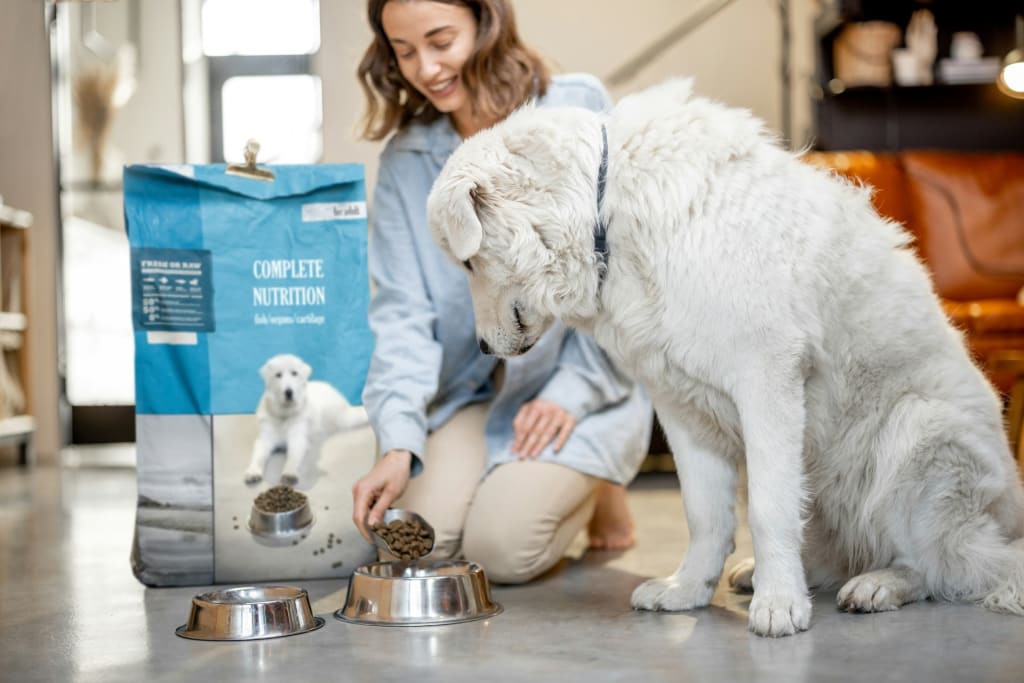
As responsible pet owners, understanding the nutritional needs of our furry companions is crucial for their overall health and well-being. A balanced pet's diet plays a vital role in maintaining optimal health, supporting growth, and preventing various health issues.
Various nutrients are essential in maintaining a pet's health, including vitamins, minerals, and high-quality ingredients. This guide will explore the fundamentals of pet care when it comes to nutrition, how to read pet food labels, and practical tips for ensuring your pet receives the best possible diet.
Understanding Pet Nutrition
What is Pet Nutrition?
Pet nutrition involves the study of the dietary needs of pets, including the essential nutrients they require for maintaining health. Similar to humans, pets need a balanced diet to ensure they receive the necessary nutrients for energy, growth, and overall wellness.
Understanding pet nutrition can help pet owners make informed decisions about their pet’s diet, leading to better health outcomes. It’s essential to recognize that different species, breeds, and life stages can significantly impact nutritional needs.
Reading Pet Food Labels
Deciphering Pet Food Labels
Reading pet food labels is vital for selecting the right diet for your pet. Here’s how to effectively analyze pet food packaging:
Look for AAFCO Standards: Choose pet food products that meet the standards set by the Association of American Feed Control Officials (AAFCO). This ensures that the food is formulated to provide complete and balanced nutrition.
Ingredient List: Examine the ingredient list carefully. Ingredients are typically listed in descending order by weight, so the first few items should represent the primary components of the food. Look for high-quality protein sources like chicken, beef, or fish as the first ingredient.
Nutritional Information: Check the guaranteed analysis, which outlines the minimum and maximum percentages of key nutrients such as protein, fat, and fiber. This information can help you determine if the food meets your pet's specific dietary requirements.
Avoid Fillers and Additives: Be cautious of products that contain fillers, artificial preservatives, and excessive carbohydrates. These can contribute to nutritional imbalances and may not provide the best health benefits for your pet.
Understanding how to read pet food labels can help you avoid common mistakes and ensure your pet receives a balanced diet.
Pet Food Composition
Macronutrients and Micronutrients
A well-balanced pet diet should include both macronutrients and micronutrients to maintain your pet's health:
Macronutrients: These include proteins, fats, and carbohydrates, which provide energy and support growth and maintenance.
Proteins: Essential for growth, tissue repair, and overall health. High-quality protein sources, such as meat, fish, and eggs, should be included in your pet’s diet.
Fats: Provide energy and support cell structure. Healthy fats, such as those from fish oil or chicken fat, can also promote a healthy coat.
Carbohydrates: While not essential, carbohydrates can provide energy and fiber. Opt for whole grains and vegetables over fillers.
Micronutrients: These include vitamins and minerals, which are necessary for various bodily functions.
Vitamins: Such as vitamin A, vitamin D, and B vitamins, play critical roles in metabolism, immunity, and overall health.
Minerals: Such as calcium and phosphorus, are vital for bone health and physiological processes.
A balanced diet should incorporate a variety of these nutrients to ensure your pet remains healthy and active.
Choosing the Right Pet Food
Types of Pet Food
There are various types of pet food available, each with its pros and cons:
Dry Pet Food (Kibble): A convenient and cost-effective option. It can help maintain dental health through its crunchy texture but may contain fillers.
Wet Pet Food (Canned Food): Wet food offers higher moisture content, which can be beneficial for pets with urinary issues, aiding in hydration and palatability. However, it can be more expensive than dry food.
Raw Pet Food (BARF Diet): A more natural option that can provide complete nutrition but requires careful planning and consultation with a veterinarian to ensure it’s balanced and safe.
Homemade Pet Food: Allows pet owners complete control over their pet’s diet but requires thorough research and possibly consultation with a veterinarian or animal nutritionist to ensure all nutritional needs are met.
Nutrition Best Practices
When feeding your pet, consider the following guidelines to ensure a healthy diet:
Feeding Guidelines: Adult dogs should typically be fed twice a day, while puppies may require three to four meals. Adjust portion sizes based on your pet's activity level, age, and weight.
Avoid Overfeeding: Overfeeding can lead to obesity and other health issues. Monitor your pet's weight and adjust food portions accordingly.
Fresh Water: Always provide fresh water for your pet. Consider using a water fountain to encourage drinking.
Avoid Table Scraps: Many human foods can be toxic to pets or lead to nutritional imbalances. Stick to pet-approved treats.
Consult Your Veterinarian: Discuss the best feeding schedule and portion sizes tailored to your pet's specific needs.
Feeding Guidelines and Common Mistakes
As a responsible pet owner, it’s essential to understand the feeding guidelines and common mistakes to avoid when it comes to your furry friend’s diet. Here are some key points to consider:
Feeding Guidelines:
Follow the recommended feeding schedule: Always check the dog food packaging for the recommended feeding schedule. Adjust the feeding times and amounts according to your pet’s age, size, and activity level. For instance, puppies may need more frequent meals compared to adult dogs.
Measure your pet’s food: Use a measuring cup to ensure you’re feeding the correct amount. Overfeeding can lead to obesity and other health issues, while underfeeding can result in malnutrition. Accurate measurement helps maintain a healthy weight.
Choose the right feeding method: Decide whether to feed your pet once, twice, or multiple times a day. This decision should be based on their age, size, and activity level. For example, active dogs might benefit from smaller, more frequent meals.
Monitor your pet’s weight: Regularly check your pet’s weight to ensure they’re maintaining a healthy weight. Adjust their food intake accordingly to prevent obesity or underweight issues.
Common Mistakes:
Overfeeding: One of the most common mistakes pet owners make is overfeeding their pets. This can lead to obesity and related health issues such as diabetes and joint problems.
Underfeeding: Conversely, underfeeding can lead to malnutrition and other health problems. Ensure your pet receives enough food to meet their energy and nutritional needs.
Not reading pet food labels: Failing to read pet food labels can result in choosing a food that’s not suitable for your pet’s needs. Always check for essential nutrients and avoid fillers and artificial additives.
Not consulting with a veterinarian: Making dietary decisions without consulting a veterinarian can negatively impact your pet’s health. A vet can provide personalized advice based on your pet’s specific needs.
Switching foods too quickly: Rapidly changing your pet’s food can cause digestive upset. Transition gradually by mixing the new food with the old food over a week.
Not providing fresh water: Always ensure your pet has access to fresh water. Dehydration can lead to serious health issues.
Not considering your pet’s life stage: Different life stages require different nutritional needs. Ensure you’re feeding your pet food appropriate for their age, whether they’re a puppy, adult, or senior.
Tips for Pet Owners:
Consult with a veterinarian: Always consult with a veterinarian to determine the best diet for your pet based on their age, size, breed, and health conditions.
Read pet food labels: Carefully read pet food labels to ensure you’re choosing a food that meets your pet’s nutritional needs. Look for high-quality ingredients and avoid fillers.
Choose a balanced diet: Ensure your pet’s diet includes essential nutrients, vitamins, and minerals. A balanced diet supports overall health and well-being.
Avoid fillers and by-products: Steer clear of foods that contain fillers and by-products, as these can be detrimental to your pet’s health.
Consider your pet’s lifestyle: Take into account your pet’s activity level and living situation when choosing their food. Active pets may require more calories, while less active pets may need fewer.
By following these feeding guidelines and avoiding common mistakes, you can help ensure your pet is receiving the nutrients they need to thrive. Remember to always consult with a veterinarian and read pet food labels carefully to make informed decisions about your pet’s diet.
Special Dietary Needs
Managing Health Conditions through Nutrition
Pets with specific health conditions may require specialized diets:
Food Allergies or Sensitivities: If your pet exhibits signs of allergies (such as itchy skin or digestive issues), consult a veterinarian. They may recommend a grain-free or limited ingredient diet.
Chronic Conditions: Conditions like obesity or diabetes require tailored dietary management. Working with a veterinarian to develop a diet plan is crucial for maintaining health.
Pet Nutrition and Life Stages
Nutritional Needs at Different Life Stages
Understanding the nutritional requirements at various life stages is essential for optimal health:
Puppies: Require a higher protein and calorie diet to support growth and development. Look for puppy-specific food that meets these needs.
Adult Dogs: Need a balanced diet that maintains their weight and overall health. The nutritional focus should shift to maintenance rather than growth.
Senior Dogs: May require a lower calorie diet and specific nutrients to support aging joints and organs. Nutritional adjustments may be necessary as metabolism slows.
Pregnant or Nursing Dogs: Require a higher calorie and nutrient-rich diet to support fetal development and milk production.
Pet Nutrition and Health
The Impact of Nutrition on Health
Nutrition plays a critical role in maintaining a pet’s overall health:
Prevention of Health Issues: A balanced diet can help prevent obesity, diabetes, heart disease, and other common health problems in pets.
Mental Health and Behavior: Good nutrition can also impact a pet’s mental health. Diets rich in essential fatty acids have been linked to reduced anxiety and improved behavior.
Frequently Asked Questions
What should I feed my pet?
Choosing high-quality pet food that meets AAFCO standards and is appropriate for your pet's life stage is essential. Consult with your veterinarian for personalized recommendations.
Can I feed my pet human food?
Some human foods are safe for pets, but many can be toxic. Avoid chocolate, grapes, onions, garlic, and fatty foods. Always consult your veterinarian before introducing new foods.
How can I tell if my pet is overweight?
Monitor your pet's weight regularly. You should be able to feel your pet’s ribs without excess fat covering. If you're unsure, consult your veterinarian for an evaluation.
Should I give my pet supplements?
Supplements can be beneficial, but it’s essential to discuss them with your veterinarian first. A balanced diet usually provides all the nutrients your pet needs.
The Ultimate Guide to Pet Nutrition Conclusion
Pet nutrition is a crucial aspect of pet care that significantly impacts the health and well-being of your furry friend. By understanding pet nutrition, reading pet food labels, and choosing the right food, pet owners can make informed decisions about their pets' diets and cross one more item off the list when it comes to finding all the pet supplies your furry companion will need.
Consulting with a veterinarian is vital to determine the best diet for your pet's specific needs and health status. A balanced diet and healthy weight can help prevent health issues and ensure a long and happy life for your pet.
About the Creator
Keep reading
More stories from Kyle Ohman and writers in Petlife and other communities.
Holistic Pet Care: Natural Remedies and Treatments for Common Issues
As pet owners become more mindful of their own health and well-being, many are also seeking holistic approaches for their furry companions. Holistic pet care focuses on treating the whole pet — mind, body, and spirit — rather than simply addressing individual symptoms. This integrative approach includes natural remedies, alternative therapies, and lifestyle adjustments to promote long-term health and prevent common pet issues.
By Kyle Ohmanabout a year ago in Petlife
The Summer I Was Chosen by a Northern Mockingbird
During the long, suspended days of the pandemic, a wild mockingbird began visiting my driveway and chose me, again and again. What started as a strange encounter became a brief, meaningful connection that I still carry with me.
By Erica Roberts 4 days ago in Petlife
Autonomy Is The Real Privilege
Good morning, freedom-seekers! Today we’re gonna be looking at autonomy. A strange word, I know; one many would probably look at blankly and run away from on sight. We’re gonna figure out what it actually means, consider how it’s achieved, and decipher just how deeply most of us are tangled up in dependence without realising it.
By That ‘Freedom’ Guy4 days ago in Humans




Comments
There are no comments for this story
Be the first to respond and start the conversation.