
The Magnificent Markhor: Nature's Spiraling Wonder
Nature's Spiraling Wonder

The Magnificent Markhor: Nature's Spiraling Wonder
High in the rugged mountains of Central Asia, the majestic markhor (Capra falconeri) roams the rocky cliffs and steep slopes. Known for its striking spiral horns and elusive nature, the markhor is a symbol of strength and resilience. This article delves into the fascinating world of the markhor, exploring its unique characteristics, habitat, behavior, and conservation status.
Physical Characteristics
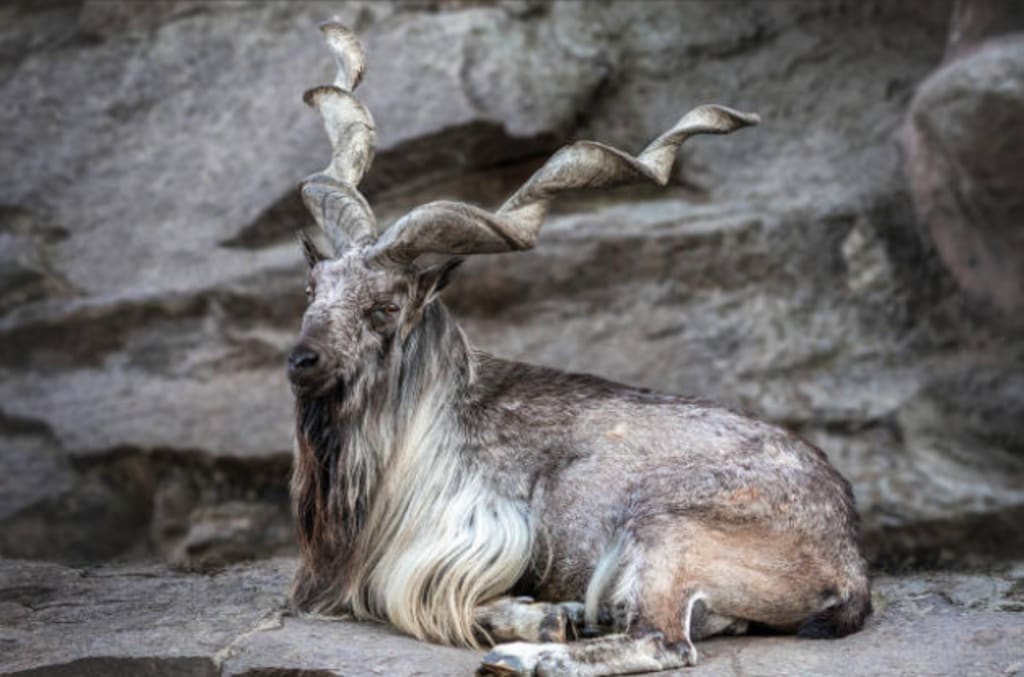
The markhor, the largest species of wild goat, is renowned for its impressive, twisted horns that can grow up to 5 feet in length in males. These horns, which spiral in opposing directions, are used in displays of dominance and during mating season battles. Female markhors also have horns, but they are smaller and less spiraled.
Markhors have a sturdy build, with males weighing between 80 to 110 kilograms (176 to 243 pounds) and females being slightly lighter. Their coats vary in color from reddish-brown to gray, providing effective camouflage against the rocky terrain they inhabit. In winter, their fur becomes thicker and lighter, helping them to withstand the cold temperatures of their high-altitude environments.
Habitat and Distribution
Markhors are found in the mountainous regions of Afghanistan, Pakistan, India, Tajikistan, Uzbekistan, and Turkmenistan. They prefer steep, rugged terrain at elevations ranging from 600 to 3,600 meters (2,000 to 11,800 feet). This challenging habitat offers both protection from predators and a variety of vegetation for grazing.
Behavior and Diet
Markhors are primarily herbivorous, feeding on grasses, leaves, herbs, and shrubs. They are well-adapted to their mountainous environment, using their strong legs and hooves to navigate the rocky slopes with ease. During the summer, they graze in alpine meadows, while in winter, they descend to lower elevations to find food.
These wild goats are diurnal, meaning they are most active during the day, especially during the early morning and late afternoon. Markhors live in small herds, typically consisting of females and their young, while adult males are more solitary, joining the herds only during the mating season.
Reproduction and Lifespan
The mating season for markhors occurs in late autumn and early winter. During this time, males engage in dramatic battles, clashing their impressive horns to establish dominance and win the right to mate with females. These battles can be intense but are rarely fatal.
After a gestation period of approximately 155 days, females give birth to one or two kids in the spring. The young are able to walk shortly after birth and are weaned by the age of six months. Markhors have a lifespan of around 12 to 14 years in the wild, though they can live longer in captivity.
Conservation Status
The markhor is listed as Endangered by the International Union for Conservation of Nature (IUCN). The primary threats to their survival include habitat loss, hunting, and competition with domestic livestock for grazing. Political instability and conflict in some regions of their range also pose significant challenges to their conservation.
Efforts to protect the markhor have been implemented in various countries. In Pakistan, for instance, community-based conservation programs have been successful in increasing markhor populations. These initiatives involve local communities in the protection of markhor habitats and promote sustainable ecotourism, providing economic benefits while raising awareness about the importance of wildlife conservation.
Markhor in Culture and Symbolism
The markhor holds significant cultural and symbolic value in the regions it inhabits. In Pakistan, the markhor is the national animal and a source of national pride. Its image is featured on the country's currency and official emblems. The markhor's resilience and majestic presence have also made it a symbol of perseverance and strength in local folklore and traditions.
Conclusion
The markhor, with its spectacular spiral horns and ability to thrive in some of the most challenging terrains on Earth, is a testament to nature's incredible diversity and adaptability. Protecting this magnificent species and its habitat is essential for preserving the rich biodiversity of the mountainous regions of Central Asia. Through continued conservation efforts and international cooperation, we can ensure that future generations will have the opportunity to marvel at the markhor's spiraling wonders and the rugged beauty of its mountainous home.
About the Creator
Francis C Okoro
"If you learn from defeat, you haven't really lost." - Zig Ziglar
Reader insights
Nice work
Very well written. Keep up the good work!
Top insight
On-point and relevant
Writing reflected the title & theme
Keep reading
More stories from Francis C Okoro and writers in Petlife and other communities.
The Shoebill: A Prehistoric Marvel of the Swamps
The Shoebill: A Prehistoric Marvel of the Swamps The shoebill (Balaeniceps rex) is a bird that seems to have stepped straight out of the age of the dinosaurs. With its towering height, piercing stare, and massive, shoe-shaped bill, the shoebill is one of the most fascinating and enigmatic birds in the world. This article explores the unique characteristics, habitat, behavior, and conservation status of the shoebill, shedding light on why this prehistoric-looking bird captures the imagination of all who encounter it.
By Francis C Okoro2 years ago in Petlife
Off the Leash: The Essential Gear Guide for Adventurous Dogs
There’s something wildly freeing about unclipping the leash and letting your dog move the way they were built to. If you’re hiking in areas that truly allow off-lead exploration, your gear list shifts. No harness. No leash dragging through dust. Instead, it’s about smart, lightweight essentials that keep your dog safe, hydrated, and easy to manage when adventure gets messy. Long walks off lead are less about control and more about preparation.
By Shabbir Ahmad7 days ago in Petlife
The Ones Left Behind:
Shelters overflow every week with wagging tails and hopeful eyes. The young ones—the puppies and kittens—disappear within hours, scooped up by families eager for a blank slate. The old ones stay behind. They wait days, then weeks, often in silent confusion, still listening for footsteps they recognize.
By Dr. Mozelle Martin5 days ago in Petlife




Comments (1)
Thanks for sharing