
The Shoebill: A Prehistoric Marvel of the Swamps
A Prehistoric Marvel of the Swamps

The Shoebill: A Prehistoric Marvel of the Swamps
The shoebill (Balaeniceps rex) is a bird that seems to have stepped straight out of the age of the dinosaurs. With its towering height, piercing stare, and massive, shoe-shaped bill, the shoebill is one of the most fascinating and enigmatic birds in the world. This article explores the unique characteristics, habitat, behavior, and conservation status of the shoebill, shedding light on why this prehistoric-looking bird captures the imagination of all who encounter it.
Physical Characteristics
The shoebill is an imposing figure, standing at about 4 to 5 feet tall with a wingspan that can reach up to 8 feet. Its most distinctive feature is its large, shoe-shaped bill, which can grow up to 9 inches in length and 4 inches in width. This bill is not only striking in appearance but also highly functional, allowing the shoebill to catch and grip slippery prey such as fish.
Shoebills have blue-gray plumage, long legs, and broad wings. Their eyes are large and forward-facing, giving them an intense, almost menacing gaze. Despite their somewhat fearsome appearance, shoebills are known for their calm and patient hunting style.
Habitat and Distribution
Shoebills are native to the swamps and marshlands of central tropical Africa, with significant populations found in Uganda, South Sudan, and Zambia. They prefer habitats with dense vegetation and shallow waters, where they can silently stalk their prey. These wetlands provide the perfect environment for the shoebill to hunt and nest, offering both food and cover.
Diet and Hunting Behavior
The diet of the shoebill primarily consists of fish, particularly lungfish, bichirs, and catfish. They are also known to eat amphibians, reptiles, and occasionally small mammals and birds. Shoebills are opportunistic feeders, taking advantage of whatever prey is available in their swampy habitats.
One of the most remarkable aspects of the shoebill's behavior is its hunting technique. Shoebills are incredibly patient hunters, often standing motionless for long periods while they wait for prey to come within striking distance. When a fish or other prey item is close enough, the shoebill strikes with lightning speed, using its powerful bill to catch and crush the prey. This method of hunting is highly effective and allows the shoebill to capture a variety of aquatic animals.
Reproduction and Lifespan
Shoebills are solitary and territorial birds, with pairs only coming together during the breeding season. They build large nests on floating vegetation or small islands within the swamp, using sticks and reeds. The female typically lays one to three eggs, although usually only one chick survives to adulthood. The parents take turns incubating the eggs and caring for the chick, which takes several months to fledge.
Shoebills can live up to 35 years in the wild, although their slow reproductive rate and high chick mortality mean that population growth is limited.
Conservation Status
The shoebill is currently listed as vulnerable by the International Union for Conservation of Nature (IUCN). The primary threats to their survival include habitat destruction due to agriculture, development, and climate change. Additionally, the shoebill's striking appearance makes it a target for wildlife trafficking and collection for the pet trade.
Conservation efforts are underway to protect the shoebill and its habitat. In Uganda, for example, initiatives such as the Mabamba Swamp Eco-tourism Project aim to promote sustainable tourism and raise awareness about the importance of preserving these unique birds and their environment. Protected areas and wildlife reserves also play a crucial role in safeguarding shoebill populations.
Shoebills in Popular Culture
The shoebill's distinctive appearance and behavior have made it a subject of fascination and curiosity. It has been featured in numerous documentaries, nature programs, and even video games. Birdwatchers and wildlife enthusiasts travel from around the world to catch a glimpse of this remarkable bird in its natural habitat.
Conclusion
The shoebill is a true marvel of the avian world, with its prehistoric looks, patient hunting style, and critical role in its ecosystem. Protecting this unique bird and its swampy habitats is essential for ensuring that future generations can continue to marvel at the shoebill's extraordinary presence. As we learn more about the shoebill and work to conserve its environment, we take important steps toward preserving the rich biodiversity of our planet.
About the Creator
Francis C Okoro
"If you learn from defeat, you haven't really lost." - Zig Ziglar
Reader insights
Nice work
Very well written. Keep up the good work!
Top insight
On-point and relevant
Writing reflected the title & theme
Keep reading
More stories from Francis C Okoro and writers in Petlife and other communities.
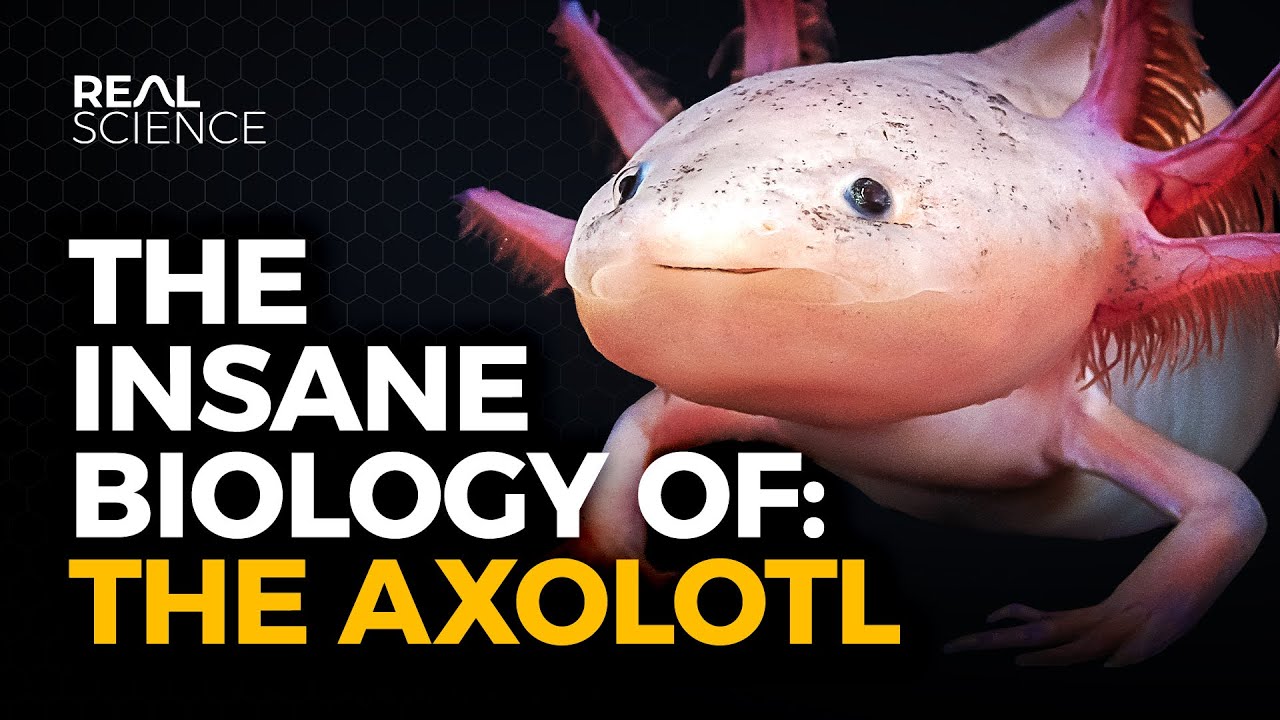
The Axolotl: Nature's Perpetual Juvenile
The Axolotl: Nature's Perpetual Juvenile The axolotl, known scientifically as Ambystoma mexicanum, is a unique and fascinating creature that has captured the imagination of scientists, hobbyists, and the general public alike. Often referred to as the "Mexican walking fish," this remarkable amphibian is renowned for its extraordinary regenerative abilities and its status as a perpetual juvenile. This article explores the captivating world of the axolotl, delving into its biology, habitat, and the intriguing characteristics that make it a symbol of scientific wonder.
By Francis C Okoro2 years ago in Petlife
Off the Leash: The Essential Gear Guide for Adventurous Dogs
There’s something wildly freeing about unclipping the leash and letting your dog move the way they were built to. If you’re hiking in areas that truly allow off-lead exploration, your gear list shifts. No harness. No leash dragging through dust. Instead, it’s about smart, lightweight essentials that keep your dog safe, hydrated, and easy to manage when adventure gets messy. Long walks off lead are less about control and more about preparation.
By Shabbir Ahmad7 days ago in Petlife
The Ones Left Behind:
Shelters overflow every week with wagging tails and hopeful eyes. The young ones—the puppies and kittens—disappear within hours, scooped up by families eager for a blank slate. The old ones stay behind. They wait days, then weeks, often in silent confusion, still listening for footsteps they recognize.
By Dr. Mozelle Martin6 days ago in Petlife



Comments (1)
Nature is amazing and beautiful, God is really powerful with this birds quality and lifestyle