
The Loyal One
A Farmer, His Dog, and the Day That Changed Everything


In a quiet village nestled between rolling green hills and wide stretches of farmland, lived an old farmer named Elias. He was a man of few words, a life of discipline, and hands calloused by decades of tilling the earth. But if anyone knew Elias well, they knew of his one true companion—his dog, Rusty.
Rusty wasn’t a breed anyone could name. A bit of a shepherd, a bit of a hound, and a whole lot of loyalty. The villagers used to joke that Rusty was more human than dog. He understood when Elias was upset, knew when it was time to head to the fields, and never once wandered too far. Rusty had been by Elias’s side for nearly 11 years—ever since Elias had found the pup whimpering under a broken cart one stormy night.
Together, they made the perfect team. Every morning, as the rooster crowed, Rusty would nudge Elias awake. The two would eat breakfast together—Elias with his eggs and bread, Rusty with his bowl of leftovers. Then off they went to the fields, where Elias planted, watered, and harvested, while Rusty chased crows and barked at wandering goats.
It was a simple life. And for Elias, it was enough.
But things began to change one summer.
The region had experienced two years of erratic weather—less rain, hotter days, and poor crop yield. Elias, now well into his 60s, found it harder to keep up. His joints ached, and his savings dwindled. He’d taken a small loan from a nearby town’s bank, hoping this season’s crops would cover it. But the corn failed again.
He was left with barely enough money for food and medicine. One evening, as he counted his coins under the flickering light of an oil lamp, Rusty sat beside him, resting his head on Elias’s foot.
“I don’t know what we’re going to do, boy,” Elias whispered, running his fingers through Rusty’s fur. The dog looked up, as if to say, “We’ll figure it out.”
A few weeks later, something strange happened. A merchant from the city visited the village, offering to buy land for a new highway project. Most villagers declined, but when he came to Elias, he made an offer. “Sell your land,” he said. “You’ll have enough to live comfortably for the rest of your life.”
Elias was torn. His farm was everything he had ever known. His father had tilled that same soil. But times were hard, and the bank’s letters were getting more aggressive.
He took a few days to decide.
During those days, Elias became distant. He stopped going to the fields. He didn’t eat much. And Rusty, sensing something was wrong, never left his side.
One morning, Elias made up his mind. He would sell the land.
As he walked to the village to sign the documents, Rusty followed, as always. But something in the dog’s behavior was different. He barked at Elias, pulled at his pants with his teeth, blocked his path.
“What’s the matter with you?” Elias snapped. “I have to do this!”
But Rusty wouldn’t move. Finally, Elias shoved him aside and kept walking.
Later that afternoon, the papers were signed. Elias returned home, tired and hollow.
That night, he couldn’t sleep. Rusty wasn’t in the house.
“Rusty?” Elias called, stepping outside. The moon was high. The farm was quiet. No sign of the dog.
He searched the barn, the fields, even near the old well—but nothing.
Hours passed. Then, as dawn broke, Elias saw a shadow by the edge of the field—the farthest part of his land.
He hurried over.
Rusty was lying there, barely breathing, next to a fallen tree. It seemed he had been hit or hurt during the night. Elias picked him up in his arms, heart pounding, and ran back home.
For three days, Elias nursed Rusty. He didn’t eat, didn’t sleep. Just sat by the dog’s side, pressing wet cloths to his body and whispering, “Don’t leave me, old friend.”
Rusty slowly recovered.
But something had shifted in Elias. Watching the dog, the memories of every morning in the fields, every storm they’d braved together, every lonely night filled with the warmth of Rusty’s presence—it all came flooding back.
He tore up the contract. Called the merchant and told him the deal was off.
“I’ll find another way,” Elias said. “This land means more than just money.”
He sold an old tractor, took odd repair jobs in nearby farms, and started a small vegetable patch with faster-growing crops. He even opened a weekend stall in the village market, where people would stop by just to talk—and pet Rusty, now fully recovered.
In time, things got better. The weather improved. So did the yields. Elias never became wealthy. But he kept his land. And more importantly, he kept his friend.
Years later, when Rusty finally passed on, Elias buried him under the oldest tree on the farm. He built a small stone marker that read:
> “The Loyal One. More than a dog. My heart’s keeper.”
And every evening, until the end of his days, Elias would sit by that tree, sipping his tea, remembering a time when he almost gave up everything—and the friend who reminded him not to.
About the Creator
Muhammad Usama
Welcome 😊
Keep reading
More stories from Muhammad Usama and writers in Petlife and other communities.
The Long Walk Back
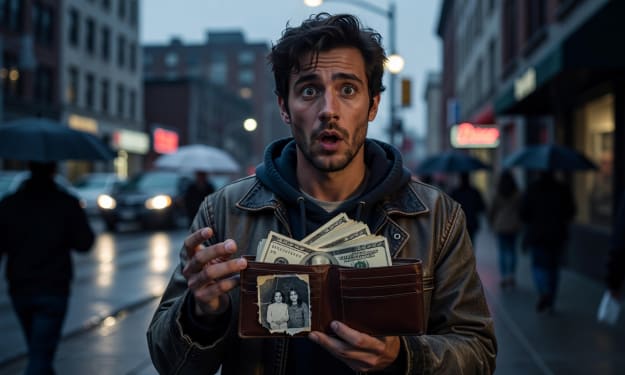
In August 2018, a 37-year-old freelance photographer named John Mallory set out on what he believed would be a routine journey. He was in the Mojave Desert, seeking to capture the haunting beauty of an abandoned mining town for a personal photo essay. But what unfolded over the next three days would turn into the most terrifying and transformative experience of his life.
By Muhammad Usama8 months ago in FYI
30 Days in a Shelter
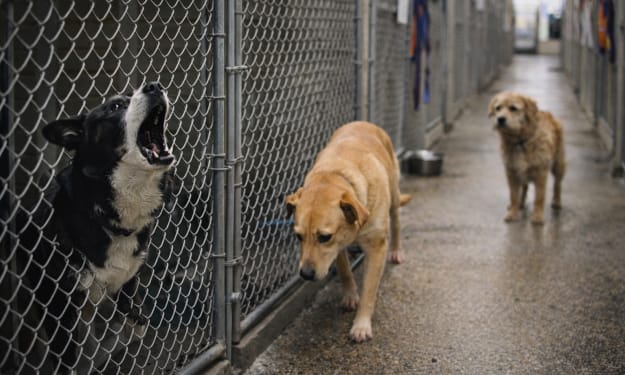
By day 3, the barking changes. The first 48 hours are chaos. Intake processing. New smells. Metallic doors slamming. By day 3, some dogs bark constantly. Others stop almost entirely. One paces the kennel line until the pads on his feet redden. Another stands motionless, eyes half-lidded, ignoring visitors.
By Dr. Mozelle Martin6 days ago in Petlife


Comments
There are no comments for this story
Be the first to respond and start the conversation.