
The Long Walk Back
A True Story of Survival, Regret, and the Unbreakable Will to Live


In August 2018, a 37-year-old freelance photographer named John Mallory set out on what he believed would be a routine journey. He was in the Mojave Desert, seeking to capture the haunting beauty of an abandoned mining town for a personal photo essay. But what unfolded over the next three days would turn into the most terrifying and transformative experience of his life.
John had rented a Jeep Wrangler in Barstow, California, and packed lightly—perhaps too lightly. With one gallon of water, a printed satellite map, and a couple of granola bars, he figured he could make the 90-mile round trip without issue. The temperature outside was over 110°F. Locals warned him against going alone. He waved them off with a confident smile. He had done solo trips before. This, he thought, would be no different.
As he drove through narrow dirt paths, the road became less like a road and more like a battlefield of rocks and deep cracks. Twenty miles in, the Jeep hit a sharp ridge and the axle snapped. The vehicle wouldn’t move. With no cell signal, no backup gear, and the sun already past its peak, John knew he had to walk.
He left a note in the windshield: “Heading west to find help – J.M.”
He began walking toward where he assumed the nearest road would be. At first, he tried to pace himself. He’d done long hikes before, but this was different. The sun burned down like fire, the air was bone-dry, and each step on the cracked ground sucked more energy from his body. After three hours, he’d only covered five miles. His water was half gone.
By nightfall, temperatures dropped rapidly, offering some relief. But his problems were far from over. Coyotes howled in the distance, and unfamiliar rustles in the brush kept him on edge. He wrapped himself in a thin emergency blanket and tried to rest behind a rock formation.
Day two brought new horrors. His mouth was completely dry, his tongue swollen. His face was blistering. His last sip of water was gone by sunrise. Hallucinations began. He imagined seeing a truck parked on the horizon. He stumbled toward it, only to realize it was a mirage. At one point, he knelt in the sand and wept. “I thought I was dying. I didn’t want to die like that—alone and stupid.”
He began recording short messages into his camera in case someone found it. “To my sister Rachel: I’m sorry. I should have called more. Tell Mom I love her. Tell Dad… he was right. I should’ve planned better.”
He started crawling by the second afternoon. The heat burned his knees through his jeans. He tried chewing desert plants, hoping for moisture, but it only made him more nauseous.
By evening, he could barely lift his arms. He wrote a message in his notebook and stuck it inside his boot:
> “My name is John Mallory. I got lost. I tried. Please find my family.”
He passed out that night beneath a ridge.
On the third day, he awoke with insects crawling across his hands. He could barely see. Every muscle hurt. But he heard something—an engine.
A group of ATV riders had taken a different trail and one of them noticed something shiny: John’s camera lens reflecting light. They stopped. One of the riders, a retired paramedic, found John unconscious but alive. They used a two-way radio to contact authorities.
A rescue helicopter arrived within 45 minutes. John was flown to a trauma center in Las Vegas with severe dehydration, sun poisoning, and kidney damage. Doctors estimated he had less than two hours to live when they found him.
He spent two months recovering.
But the John Mallory who left the hospital wasn’t the same man who entered the desert.
He gave up high-risk photojournalism. He moved to Oregon, started writing a blog called Desert Lessons, and began mentoring young photographers about risk, responsibility, and preparation.
In a TEDx talk he gave later that year, he said:
> “I went into the desert looking for forgotten stories. I didn’t know mine would become one of them. But that walk—those endless hours with nothing but heat and regret—gave me a new beginning. I was ready to quit on myself. The desert didn’t let me.”
Today, John is married with one daughter. He still hikes—but never alone. He carries a satellite phone, extra food, flares, and a reminder note in his wallet that reads: “Survival is about humility, not bravery.”
About the Creator
Muhammad Usama
Welcome 😊
Keep reading
More stories from Muhammad Usama and writers in FYI and other communities.
The Vanishing Hour: The True Story Behind the Cold Lake Disappearance
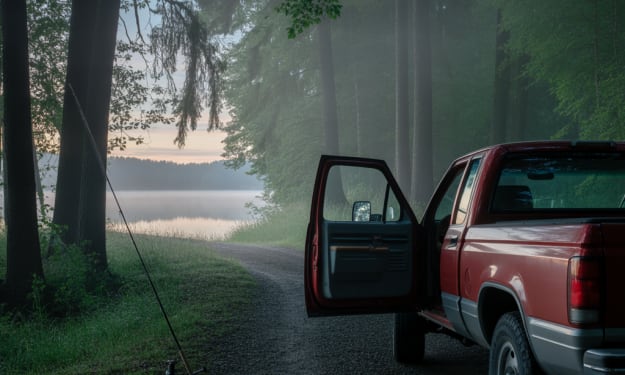
Cold Lake, Alberta, is the kind of place where people leave their doors unlocked and greet each other with a nod. Tucked away near the edge of a sprawling forest, the lake glistens like a hidden gem, peaceful and pristine. Nothing ever happened there—until the spring of 2016, when Jeremy Cole disappeared without a trace.
By Muhammad Usama8 months ago in FYI
Crude Oil Prices and the Cost of Everyday Survival
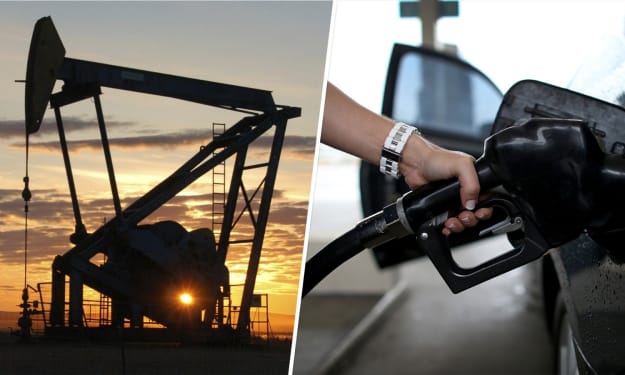
Every morning, before most of us check the weather, global markets are already reacting to crude oil prices. The numbers rise and fall quietly on trading screens, yet they shape how we live. They influence how much it costs to drive to work, ship groceries across states, or heat a small apartment during winter.
By Muqadas khan5 days ago in FYI
"Scream 7" (2026): Running out of Fresh Screams
This is the seventh time we’ve had a Ghostface crisis. Scream 7 is the latest edition of the Scream franchise. Sydney Prescott and her family are under attack by another anonymous killer dressed in a Ghostface costume. While having issues with her daughter, Tatum, they run from the bloody murders, trying to determine who is behind it all.
By Marielle Sabbag6 days ago in Horror


Comments
There are no comments for this story
Be the first to respond and start the conversation.