
The Lifelong Journey of Dog Training: Why It's Never Truly Over
Nurturing a Well-Behaved Canine Companion

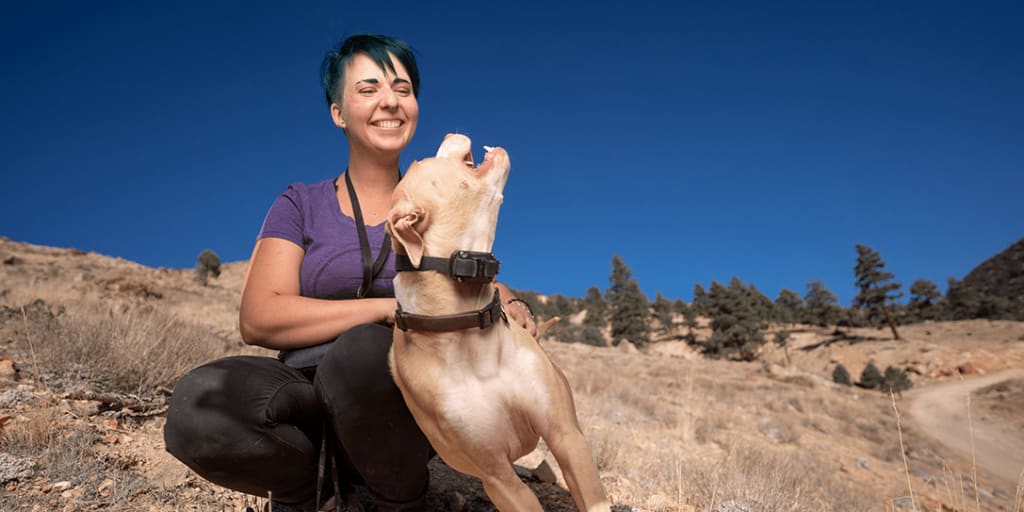
When pet owners hear, “training never ends,” it may sound daunting at first. After all, who doesn’t want to feel accomplished after teaching a dog basic obedience? But professional trainers and dedicated pet owners alike emphasize that training is a lifelong commitment. This ongoing process ensures that dogs stay well-behaved, mentally engaged, and bonded with their owners. Let’s explore why training is an essential, lifelong journey and how maintaining it benefits both you and your pet.
Why Training Must Be a Lifelong Process
Every dog, from the liveliest puppy to the mellowest senior, benefits from continual learning. Trainers explain that a dog’s behavior can evolve over time due to new environments, routines, or even age-related changes. Consequently, staying consistent in training is a proactive way to reinforce positive behavior and curb potential problems before they arise.
Maintaining a Strong Bond
Training is more than commands; it’s a way to connect. Regular practice sessions provide you and your dog with opportunities to spend quality time together, building mutual trust and affection. Training a dog teaches patience, consistency, and confidence, which strengthens the owner-pet bond.
Mental and Physical Stimulation
Dogs need both mental and physical stimulation to stay healthy and happy. Without it, they may become bored and display unwanted behaviors like chewing or excessive barking. Engaging your dog in new tricks or agility exercises challenges them mentally and keeps their natural curiosity and energy in check. Training provides structured stimulation, whether through learning new tricks or revisiting commands to keep their minds sharp and their bodies active.
The Role of Routine in Training Success
Routine is an essential part of dog training. Just as we rely on routines for stability, dogs also thrive on consistency. Training sessions reinforce routines, providing dogs with a reliable structure they can depend on. Even well-trained dogs can develop bad habits over time if they lack structure, so maintaining a training routine offers clarity for both pets and owners.
Repetition Prevents Regression
Commands that were mastered in the past can become rusty if not practiced regularly. Repetition of these commands, like “sit,” “stay,” and “come,” serves as a reminder of the expected behavior and reinforces a dog’s obedience, which can prevent behavioral backslides. Older dogs, in particular, may benefit from revisiting training basics to stay sharp.
Behavioral Shifts Over Time
Just like humans, dogs change over time. A dog’s behavior may shift as it ages or faces new experiences, leading to new or unwanted behaviors. Lifelong training allows owners to guide dogs through these changes, addressing issues early. For instance, dogs who encounter new environments or face medical conditions may develop anxiety or stress. Ongoing training helps manage these emotional shifts effectively.
Adapting to Changing Situations
Lifelong training is also about preparing your dog for changes, like moving homes or welcoming new family members. For example, when a dog encounters a new environment, they may initially feel anxious. Training helps them stay calm, adjust to new routines, and accept unfamiliar people and animals with ease.
Dog Training Methods for Lifelong Success
With the right approach, training can be enjoyable and fulfilling. Several strategies keep your dog engaged, build their confidence, and ensure their behavior remains exemplary.

Positive Reinforcement: A Core Principle
Most trainers agree that positive reinforcement is the most effective method for lifelong training. Praising your dog or giving them a treat reinforces the behavior you want to encourage. This method not only promotes positive behavior but also makes the dog eager to learn and respond to commands, contributing to a happier, well-mannered pet.
Introducing New Challenges and Commands
Dogs enjoy learning new things, just like people. By gradually introducing new commands or activities, you provide mental stimulation and keep training sessions exciting. For instance, teaching advanced tricks or agility exercises challenges dogs to learn and respond, strengthening their bond with you.
Consistent Socialization as Part of Training
Socialization is a vital aspect of lifelong training. Consistent socialization helps dogs stay comfortable around people, other animals, and new situations. Visiting parks, introducing them to new friends, or simply spending time in different environments can help your dog remain confident, friendly, and well-behaved.
The Ultimate Guide - Training Your Dogs and Cats: eBooks
For pet owners eager to deepen their understanding and skills, The Ultimate Guide - Training Your Dogs and Cats eBooks are invaluable resources. These eBooks provide step-by-step guides and advanced techniques designed to help pet owners create meaningful, long-lasting changes in their pets’ behavior. Covering various aspects, from obedience basics to tackling specific behavioral issues, these guides offer valuable insights into building a lasting relationship with your pet.
Each chapter in these eBooks delves into a specific training area, whether socialization, trick training, or discipline. Following these steps consistently will allow you to manage your pet’s behavior effectively, create a mentally enriching environment, and reinforce the healthy, positive behaviors you want.
How Training Benefits Owners as Well
Ongoing training isn’t just for dogs—it benefits owners too. It provides you with skills to address behavioral issues, reduces stress, and strengthens your confidence in managing your pet. Owners who commit to lifelong training often feel more connected to their pets, leading to a happier, more harmonious home environment.
Reducing Stress and Anxiety
When your dog is well-trained, it reduces stress and worry for both you and your pet. Knowing your dog will respond to commands even in challenging situations (like a busy park or crowded event) gives you peace of mind, letting you both enjoy more freedom and adventures together.
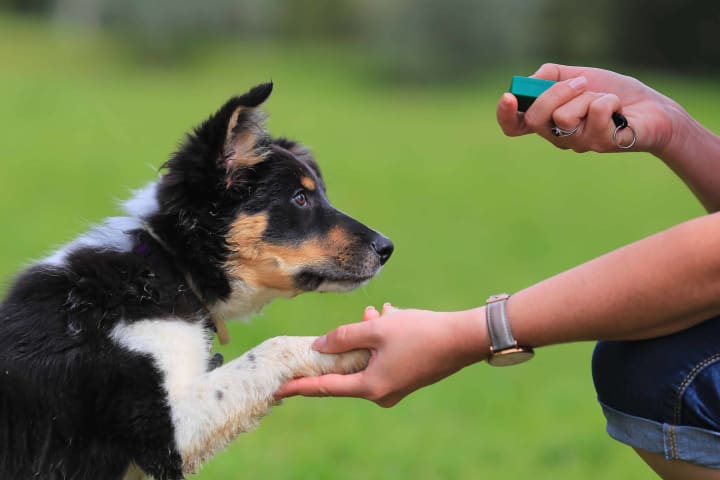
A Healthier, Happier Pet-Owner Relationship
Training encourages clear communication between you and your dog, creating mutual respect and understanding. Through training, owners become more aware of their dog’s needs, preferences, and personality, building a fulfilling relationship rooted in empathy and care.
In Conclusion
Training is an investment in a dog’s health, happiness, and behavior that pays lifelong dividends. The concept of “training never ends” is a positive commitment to maintaining a balanced, well-behaved pet who adapts to life’s changes with ease. With methods like positive reinforcement, consistent routines, and the willingness to learn together, training becomes a natural and enjoyable part of your life with your dog.
The journey may require patience, but the rewards are worth every step. So embrace this philosophy with excitement, knowing that every new trick learned, command obeyed, and behavior strengthened brings you and your pet closer. And if you’re seeking comprehensive guidance on this journey, "The Ultimate Guide - Training Your Dogs and Cats eBooks" are an excellent starting point to achieve a fulfilling, enduring bond with your pet.
About the Creator
mureed hussain
Hi, I’m a creative writer passionate about health & wellness, love, longevity, aging, and pet care. With extensive Quora experience, I craft engaging posts, thoughtful questions, and insightful answers.
Find me at>>[email protected]
Keep reading
More stories from mureed hussain and writers in Petlife and other communities.
Beyond Tricks: Elevate Your Pet’s IQ
Many pet owners find delight in teaching their pets basic tricks—sit, stay, roll over—but few realize the depths of intelligence our pets can actually achieve. The concept of pet intelligence often gets reduced to trick-based training, yet animals are capable of learning much more complex skills and engaging in activities that stimulate their natural problem-solving abilities. By focusing on intellectual enrichment, we can deepen our bond with our pets while nurturing their unique capacities, fostering not just obedience but a true partnership. Let’s explore some of the most effective ways to elevate your pet’s IQ beyond the basics.
By mureed hussainabout a year ago in Petlife
The Ones Left Behind:
Shelters overflow every week with wagging tails and hopeful eyes. The young ones—the puppies and kittens—disappear within hours, scooped up by families eager for a blank slate. The old ones stay behind. They wait days, then weeks, often in silent confusion, still listening for footsteps they recognize.
By Dr. Mozelle Martin6 days ago in Petlife
Velveteen Lop Rabbit Lifespan Size Color Diet and Interesting Facts
As we know when people assume Velveteen Lop Rabbit many time the sweet story of the Velveteen Rabbit comes to mind. The name of this breed is not taking from any rabbit, but the book The Velveteen Rabbit have a very cute, sociable, and friendly nature.
By Rabbits Advisor5 days ago in Petlife




Comments
There are no comments for this story
Be the first to respond and start the conversation.