
Beyond Tricks: Elevate Your Pet’s IQ
Nurturing Intelligence and Bonding with Your Furry Friend


Many pet owners find delight in teaching their pets basic tricks—sit, stay, roll over—but few realize the depths of intelligence our pets can actually achieve. The concept of pet intelligence often gets reduced to trick-based training, yet animals are capable of learning much more complex skills and engaging in activities that stimulate their natural problem-solving abilities. By focusing on intellectual enrichment, we can deepen our bond with our pets while nurturing their unique capacities, fostering not just obedience but a true partnership. Let’s explore some of the most effective ways to elevate your pet’s IQ beyond the basics.
Understanding Pet Intelligence: It's More Than Tricks
Pet intelligence isn’t just about obedience; it’s a measure of adaptability, problem-solving skills, memory, and even emotional intelligence. While many people associate intelligence with dogs, numerous studies show that other pets—like cats, birds, and even rodents—have significant problem-solving abilities and distinct personalities. Recognizing your pet’s intelligence helps you tailor mental enrichment in a way that respects their natural inclinations. For instance, while dogs might thrive on routine and commands, cats respond better to self-directed, exploratory play that taps into their predatory instincts.
Building a Smarter Bond Through Mental Stimulation
Intelligence in pets flourishes when they are mentally stimulated and engaged. This doesn’t just mean performing tricks for treats but creating an environment where they’re encouraged to think, solve problems, and make decisions. Here are some key methods to bring out the best in your pet’s intellectual potential.
1. Interactive Toys and Puzzles
A wide range of interactive toys and puzzles are designed to stimulate pets' minds and encourage problem-solving. These toys are especially helpful for both dogs and cats, as they promote independent thinking. For example, puzzle feeders challenge pets to figure out how to release treats, stimulating them mentally and helping with portion control.
For birds, you can use foraging toys where they need to manipulate objects to access food. Birds are highly curious and intelligent, so providing toys that encourage exploration is essential to keep them mentally and emotionally engaged. These toys can also mimic natural behaviors, such as hunting or scavenging, which are especially beneficial for highly active or anxious pets.
2. Teaching New Skills and Commands
Training shouldn’t stop at “sit” or “stay.” Teaching new and complex commands can significantly boost your pet’s IQ. For instance, teaching a dog to differentiate between toys by name or to pick up specific items can improve their memory and problem-solving skills.
For cats, training can be challenging, but with patience, they can learn commands like “come,” “sit,” or even “high-five.” The trick is to use positive reinforcement and adapt training to their interests and motivations. For example, some cats respond to clicker training, where a click sound is paired with a treat, creating a rewarding learning experience.
3. Encouraging Social Interaction
Social interaction is crucial for pets' cognitive development. For dogs, regular playtime with other dogs in a safe environment is essential. Such socialization strengthens problem-solving skills as they learn to navigate social cues and boundaries with other dogs.
Cats also benefit from social interaction, although in different ways. Cats are naturally curious and may enjoy interactive play sessions with their human companions or even with other animals if they are properly introduced. Engaging in supervised play sessions that allow your cat to observe, learn, and adapt to different situations can foster their cognitive growth.
4. Nose Work and Sensory Games
One of the best ways to challenge a pet’s intelligence is through nose work and sensory games. Dogs, in particular, excel in scent detection and can find hidden treats or toys. Hiding treats around the house or using scent trails encourages dogs to utilize their sense of smell, which exercises their brain.
Cats, too, can benefit from sensory games, like hiding treats or small toys. They have an acute sense of smell and hearing, which can be engaged through interactive games involving hidden rewards or scent trails. Birds and small animals, like rabbits and guinea pigs, also have keen senses, and sensory activities can be adapted for them too, like finding treats hidden under paper cups or toys.
Supporting Cognitive Development with the Right Diet and Environment
Just like humans, pets need proper nutrition for brain health. Feeding your pet a balanced, nutrient-rich diet ensures they have the necessary vitamins and minerals for optimal mental development. Omega-3 fatty acids, found in fish oils, for instance, are known to support cognitive function in dogs and cats.
Additionally, creating a stimulating and varied environment is key to keeping your pet mentally engaged. Birds, for example, benefit greatly from cages that offer perches, mirrors, and a rotating array of toys. For rodents and rabbits, a habitat with tunnels, hideouts, and chewable toys encourages exploration and curiosity. Giving pets access to different textures, sounds, and visuals in their environment helps prevent boredom, which is essential to their overall well-being and cognitive function.
How Playtime Contributes to IQ Building
Playtime is more than just fun; it’s essential for cognitive development. Engaging in different types of play, such as fetch, tug-of-war, or chase, encourages physical exercise and mental stimulation. In cats, using toys like laser pointers or feather wands awakens their predatory instincts and provides exercise while sharpening their reflexes.
For smaller animals, like rabbits or guinea pigs, creating tunnels or obstacle courses can be a fun way to engage them physically and mentally. Watching them navigate these setups can also give you insights into their intelligence, showing how quickly they adapt to challenges.
Strengthening Bonds Through Consistency and Patience
An essential component of IQ-building is the trust and connection between you and your pet. Consistency in training and activities helps pets feel secure and promotes learning. Additionally, patience and understanding go a long way. Some pets may learn quickly, while others may take more time. By showing patience, you build a strong bond with your pet, enhancing their confidence and willingness to explore and learn.
Conclusion: Nurturing the Smart Companion in Your Life
Our pets rely on us for more than just food and shelter; they look to us for emotional and intellectual enrichment. By going beyond tricks and teaching them skills that engage their minds, we create a mutually enriching relationship that brings out the best in both pets and owners. Each animal has its own learning style, and by tuning into these, we can help elevate their intelligence while deepening the connection we share.
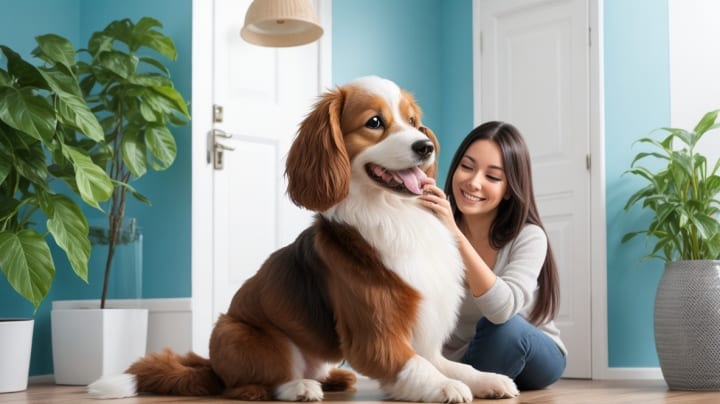
A pet that is encouraged to think, explore, and engage in stimulating activities will live a happier, more fulfilling life. So, the next time you’re tempted to settle for the basics, remember there’s a whole world of cognitive potential waiting to be unlocked in your furry (or feathered) friend. The journey to a smarter, more engaged pet is one of the most rewarding gifts you can give—both for their well-being and for the lasting bond you’ll create together.
About the Creator
mureed hussain
Hi, I’m a creative writer passionate about health & wellness, love, longevity, aging, and pet care. With extensive Quora experience, I craft engaging posts, thoughtful questions, and insightful answers.
Find me at>>[email protected]
Keep reading
More stories from mureed hussain and writers in Petlife and other communities.
Paws and Peace: How My Rescue Dog Brought Me Back to Life
If someone had told me a few years ago that a scruffy, love-starved dog would be my lifeline back to happiness, I wouldn’t have believed it. I was in the thick of a stressful job, struggling with bouts of anxiety, and feeling a sense of emptiness despite doing all the “right” things. After a particularly tough week, my friend suggested something I thought was a little out there—get a pet. But the more I thought about it, the more I realized it might be what I needed to break out of my rut. So, on a chilly October morning, I found myself at a local shelter, meeting the dog that would ultimately change everything.
By mureed hussainabout a year ago in Petlife
Keeping your pets safe (and calm) this holiday season
The holiday season may be magical for some humans, but for pets it only means confusion, changed routines, overstimulation, extra noise, guests or pet sitters come and go, and sometimes the festive season means danger for pets.
By Susan Fourtané 18 days ago in Petlife
Frozen Clash: Wolf vs Bear
The morning light broke gently over the snow-covered wilderness, turning the frost into a blanket of sparkling diamonds. The forest was silent except for the soft whisper of wind moving through the icy branches. Every tree was coated in white, and the frozen ground glistened under the soft sunlight. In this serene landscape, life thrived in quiet ways, even in the harshest winter conditions.
By Bilal Mohammadia day ago in Petlife
Center Stage with Gina C.
*** I'm keen to republish the interviews I did for my series with Vocal creators. It's been a few years and I thought it might be nice to revisit these wonderful conversations. I'll be releasing them one at a time for a few weeks/months.
By Heather Hubler6 days ago in Interview


Comments (1)
Saving this for my three doggies, Mureed!