
The Life of a Pigeon: A Remarkable and Resilient Bird
Life of a Pige

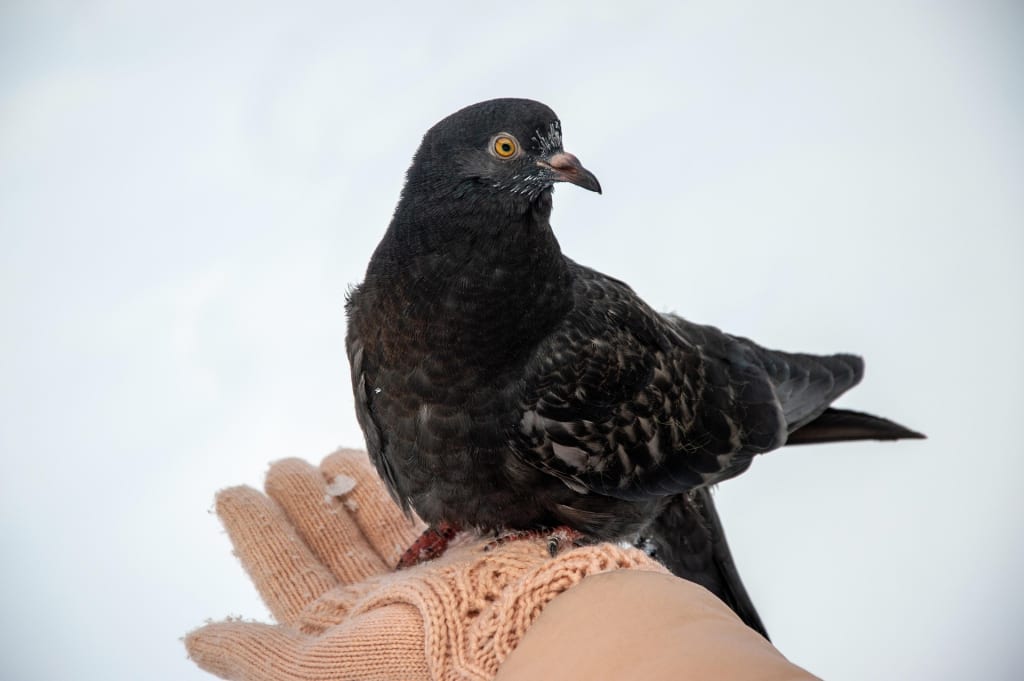
Pigeons, scientifically known as Columba livia, are one of the most widespread and adaptable bird species in the world. Their journey from wild creatures to urban companions has earned them a place in the hearts of many. Whether flying across cities, cooing from rooftops, or strutting through parks, pigeons are an essential part of the natural and urban landscape. Let's dive into the fascinating life of a pigeon and also explore how they make wonderful pets for some people.
The Natural Life of a Pigeon
Pigeons are native to the cliffs and rocky coastlines of Europe, North Africa, and Asia. These birds are highly adaptable, capable of living in a wide range of environments, from remote mountain ranges to bustling urban centers. Their natural habitat consists of tall cliffs, which provide the perfect space for nesting. Over the centuries, pigeons have evolved to thrive in cities, where the tall buildings mimic their ancestral cliff dwellings.
Physical Characteristics
Pigeons come in a variety of colors, with shades of gray being the most common. They have a distinctive, rounded body, a short neck, and a small head. Their wings are broad and pointed, making them powerful fliers. Pigeons are also known for their ability to return to their homes over long distances, thanks to their extraordinary homing instinct.
Feeding and Foraging
In the wild, pigeons feed on seeds, grains, fruits, and occasionally insects. They are ground feeders, often seen foraging on sidewalks, in parks, or near food sources. In cities, pigeons have become opportunistic eaters, scavenging on scraps and leftovers from humans. Their diet is highly adaptable, allowing them to survive in almost any environment.
Breeding and Nesting
Pigeons are monogamous and form strong pair bonds. Courtship rituals involve male pigeons performing elaborate displays, including puffing out their chests, cooing, and bowing to attract a mate. Once they pair up, pigeons often remain together for life. Their nests are typically built in high places, and the female pigeon usually lays two eggs. Both parents share the responsibility of incubating the eggs and feeding their chicks, known as squabs, a special secretion called “pigeon milk,” rich in nutrients.
Pigeons in Urban Life
Pigeons are incredibly common in urban areas, where they have adapted well to human environments. They nest on building ledges, public monuments, and even in the rafters of subway stations. While some people may view pigeons as a nuisance due to their droppings and flocking behavior, they play an essential role in urban ecosystems by helping to control insects and disperse seeds.
Pigeons as Pets
Pigeons, often overlooked as pets, can make surprisingly affectionate and low-maintenance companions. Although pigeons are usually seen in the wild or as part of pigeon racing, they have been kept as pets for centuries. In fact, ancient civilizations, such as the Egyptians and Romans, valued pigeons for their intelligence, beauty, and homing abilities.
Why Pigeons Make Great Pets
Pigeons as a pet are quiet, friendly, and easy to care for, making them ideal for individuals who want a unique pet without the high maintenance of more traditional animals like dogs or cats. They are social creatures, often forming strong bonds with their human caretakers, and they can recognize faces, a trait that adds to their charm.
In captivity, pigeons require a safe, spacious environment where they can fly. A birdcage or aviary should allow them to spread their wings and exercise. Pigeons are also known for being low-maintenance when it comes to grooming, as they are naturally clean birds.
Care Requirements
Pigeons thrive on a balanced diet of seeds, grains, and fresh water. They should be given access to clean spaces for rest and flight, as well as periodic baths to maintain their feathers. It's also important to provide them with social interaction, as pigeons enjoy companionship, both from humans and other pigeons.
For those interested in keeping pigeons as pets, it’s essential to understand that they need freedom to fly. While they can be kept indoors, many pigeon owners create large outdoor aviaries where the birds can roam and engage in natural behaviors. Proper care and attention ensure that pigeons live long, healthy lives, with some living up to 15 years in captivity.
Conclusion
Pigeons, with their long history as wild birds and companions, offer more than just their symbolic presence in cities. Their intelligence, adaptability, and gentle nature make them fascinating creatures to study and wonderful pets for those who are willing to care for them. Whether soaring through the skies or perched on a windowsill, pigeons continue to be an integral part of both the natural world and urban life.
About the Creator
Mouni Sana
I just love animals
Keep reading
More stories from Mouni Sana and writers in Petlife and other communities.
The Fascinating World of Jellyfish
Jellyfish are some of the most intriguing and ancient creatures in the ocean. With their ethereal, translucent bodies and mesmerizing movements, they have captivated scientists and ocean lovers for centuries. Despite their delicate appearance, jellyfish are incredibly resilient and have thrived in oceans for over 500 million years.
By Mouni Sana11 months ago in Petlife
A Dart at Dusk
Seconds ago, the sullen sun set on the two of us… my exuberant furry companion and me. A fresh breeze embraces us, delivering welcome relief from the day’s oppressive heat. His typical stumbling and staggering along — apace with a sloth — has turned into trip-trapping, high-stepping, almost skipping along.
By Angie the Archivist 📚🪶6 days ago in Petlife


Comments (1)
Hello, just wanna let you know that if we use AI, then we have to choose the AI-Generated tag before publishing 😊