
The German Shepherd: Breed History
The German Shepherd breed History.
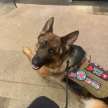
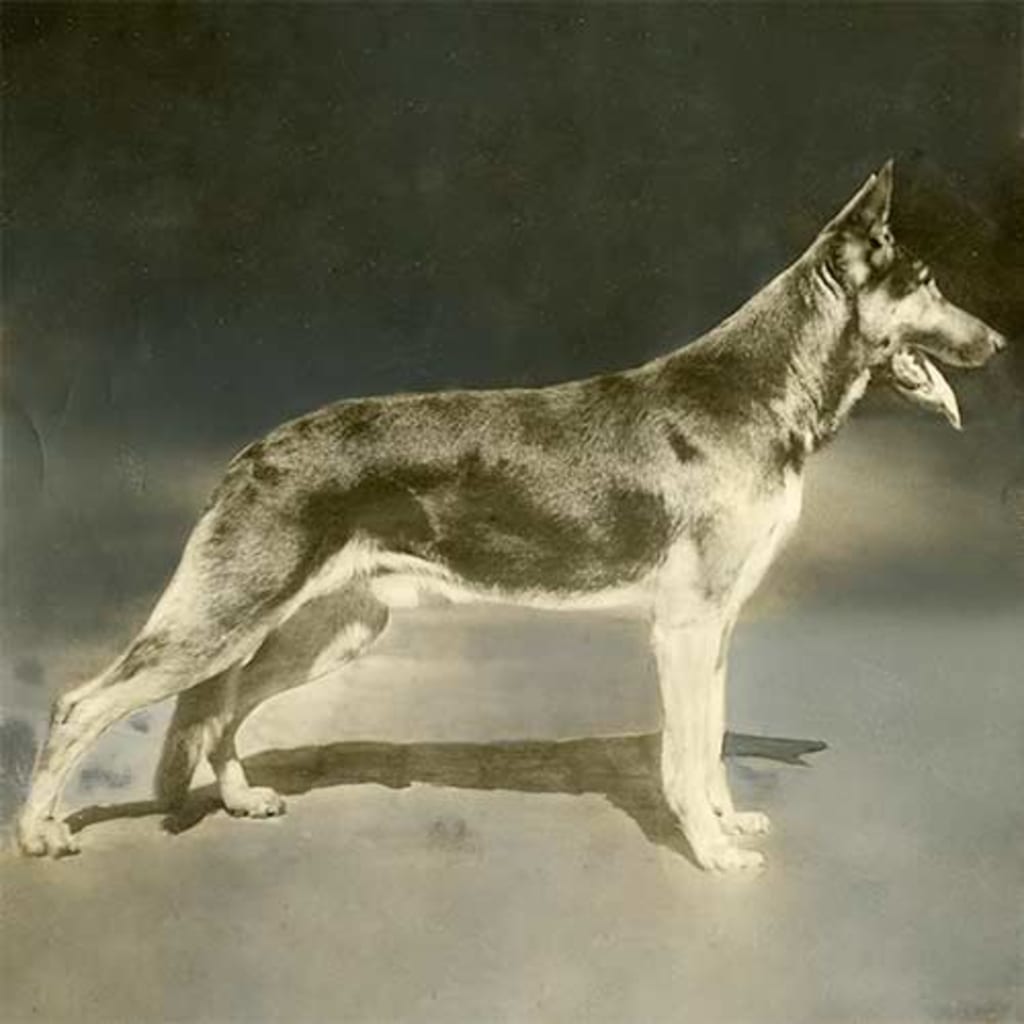
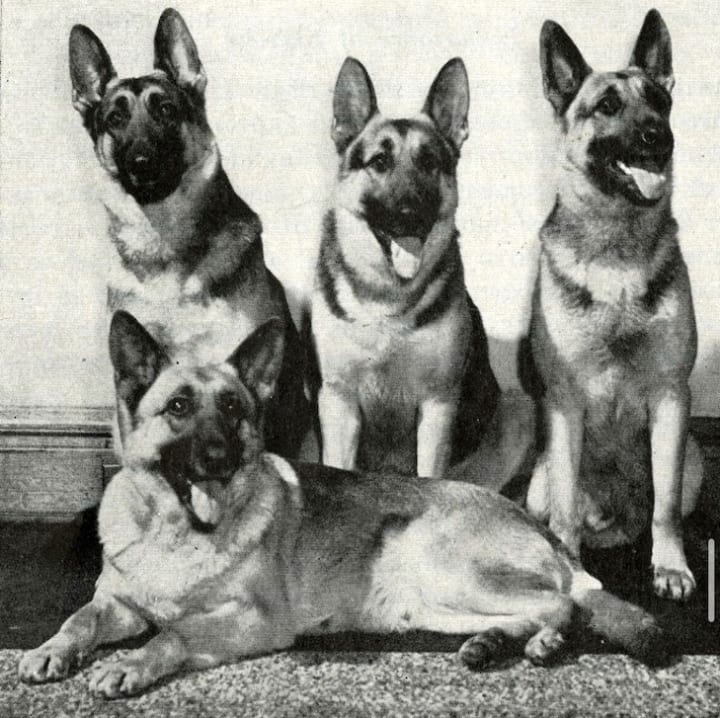
The German shepherd is a medium—to large-sized dog. It is a herding breed developed by Max Von Stephanitz, a German military captain, in the late 1800s.
The first German shepherd was a dog named Horand von Grafrath. (Later, his name was changed to Hektor Von.) He looked very different from the German shepherds we know today.
Max helped create the breed standard, and the German shepherd club in Germany called the Verein für Deutsche Schäferhunde (S.V.). This version of the breed standard, however, is different from the UK's or the US Standard. There are similarities innards, but the wording of each standard is different all breeds stand.
He also was involved in the development of the sport for German dogs. Most know it as Schutzhund, which tests the dog's tracking, obedience, and protection abilities. The sport has since opened up to breeds other than German shepherds.
Now, it's not just a breed test but also a fun sport for others in the Dog community.
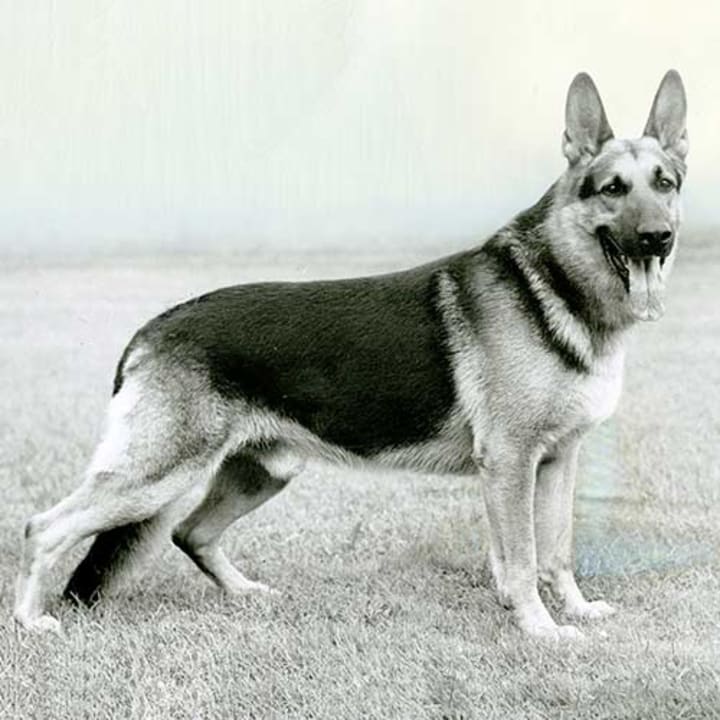
German shepherds, according to the AKC. Male German shepherd height is 24-26 Inches, and female height is 22-24 inches. Males should weigh between 65-90 Pounds, and females should weigh between 50-70 pounds.
The AKC standard of the German shepherd states that. "The first impression of a good German Shepherd Dog is that of a strong,
agile, well-muscled animal, alert and full of life. It is well balanced, with harmonious
development of the forequarter and hindquarter. The dog is longer than tall, deep-bodied, and
presents an outline of smooth curves rather than angles. It looks substantial and not spindly,
giving the impression, both at rest and in motion, of muscular fitness and nimbleness without any
look of clumsiness or soft living. The ideal dog is stamped with a look of quality and nobility, which is difficult to define but unmistakable when present. Secondary sex characteristics are strongly marked, and every animal gives a definite impression of masculinity or femininity, according to its sex."
This discusses how the dog should look upon first impression. The standard also describes proper temperament.
It states
"The breed has a distinct personality marked by direct and fearless, but not
hostile, expression, self-confidence, and a certain aloofness that does not lend itself to immediate
and indiscriminate friendships. The dog must be approachable, quietly standing its ground and
showing confidence and willingness to meet overtures without making them. It is poised,
but when the occasion demands, eager and alert, both fit and willing to serve in its capacity as
companion, watchdog, blind leader, herding dog, or guardian, whichever the circumstances may
demand. The dog must not be timid, shrinking behind its master or handler; it should not be
nervous, looking about or upward with an anxious expression or showing nervous reactions, such as
tail tucking, to strange sounds or sights. A lack of confidence in any surroundings is not typical of good character. Any of the above deficiencies in character that indicate shyness must be penalized as it's a grave fault."
The German shepherd is a tough, hardworking dog that loves to work and is very loyal. That was wanted in a versatile breed. He wanted a dog. They created all the traits of today's German shepherds, starting as herding dogs. Von Stephaniz could work in all conditions: herding sheep, cattle, and other farm animals.
He created one of the best sheepherding dogs and was a judge for GSDs on multiple German conformation shows (Also known as Seiger shows).
He is known as the father of the German shepherd. He helped create a dog breed built for way more than its original purpose. He made a wonderful dog that can be more than just a pet. Since we don't need German shepherds for herding anymore, they are now used as military dogs, police dogs, service dogs, and countless other jobs.
That is something that Stephanie could have never imagined when he first created the breed long ago. The AKC accepted the GSD as a breed in 1908. It was only a little famous at first, especially during WW2. But German shepherds such as Strongheart and Rin Tin Tin helped boost the breed's popularity in the United States.
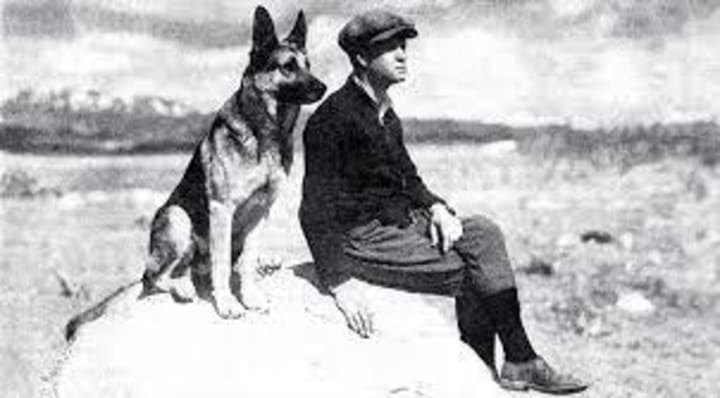
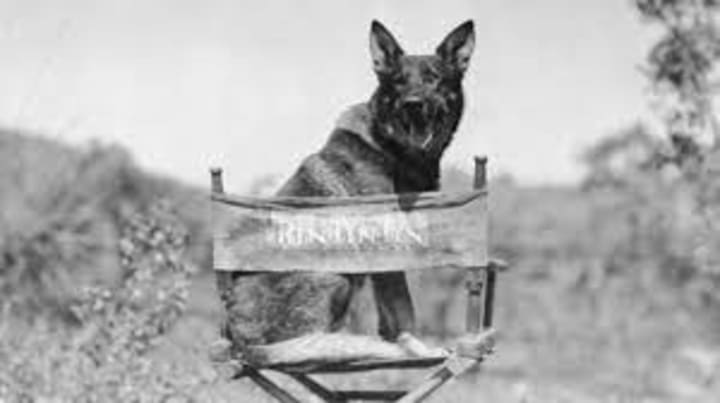
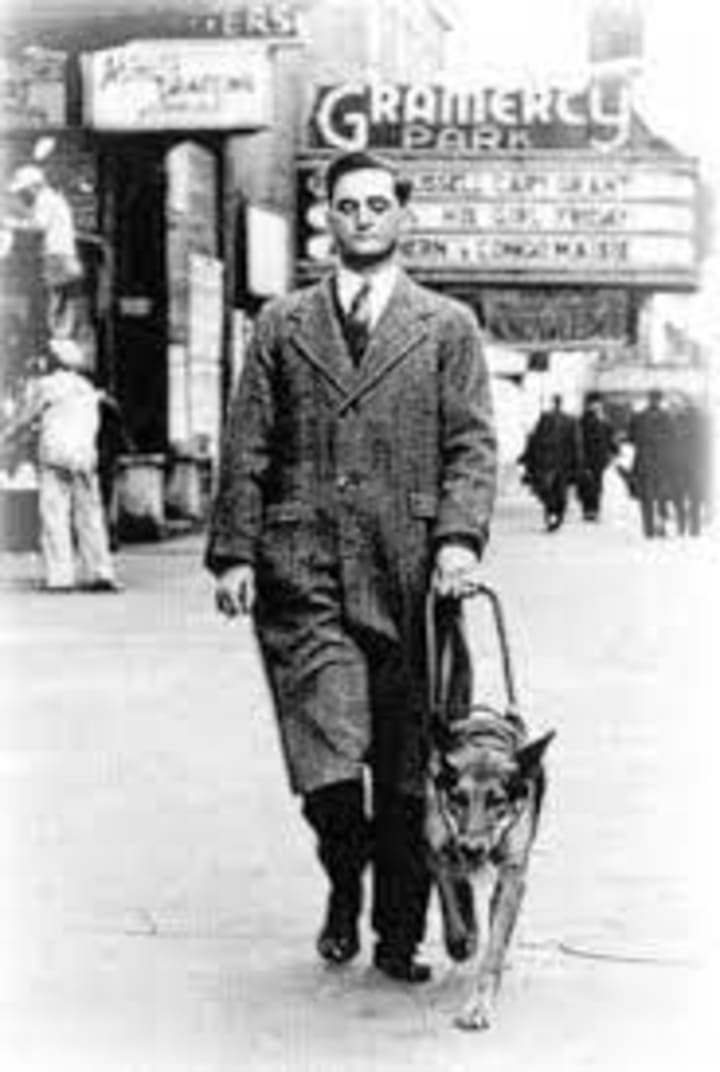
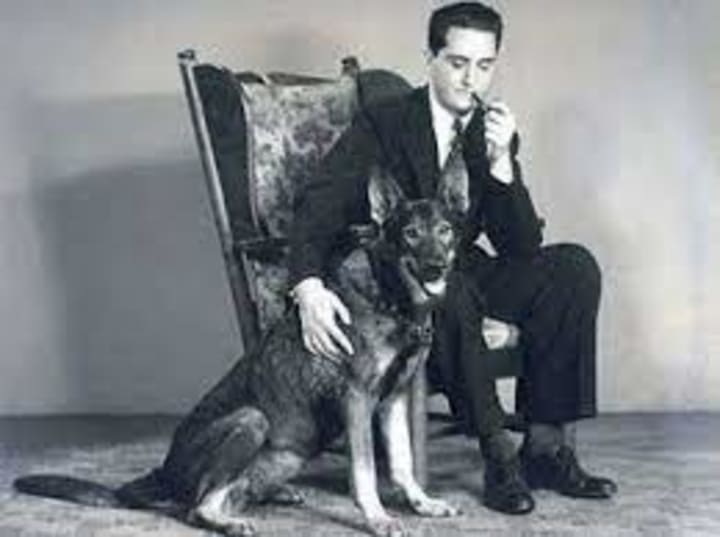
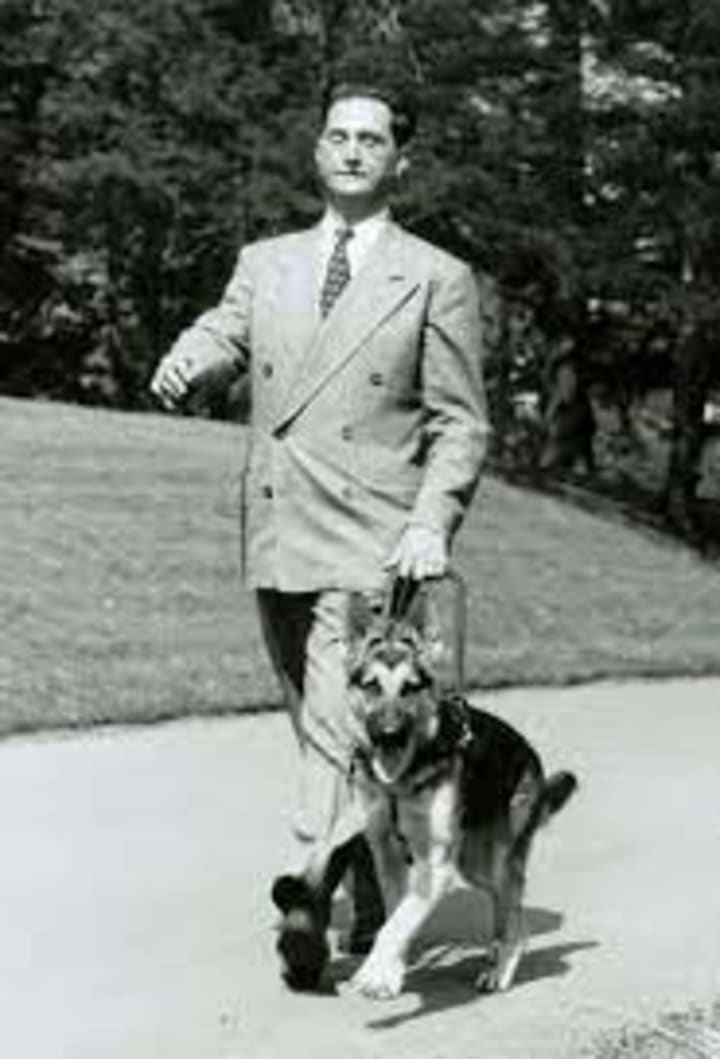
Another famous German shepherd is Buddy (known initially as Kiss). She was the first Guide dog Frank of Nashville, Tennessee, in the late 1920s. After they succeeded with their training with Dorothy Eustis in Switzerland, they returned to Nashville. Morris and Buddy worked together until Buddy passed. After she passed, he paired with Mor on June 11th, 1928, and named every German shepherd guide dog after her because she had meant so much to him.
Buddy and Morris worked together and showed how much a seeing-eye dog could help a blind person.
(Guide dogs were only for blinded soldiers of ww1 before the seeing-eye)
Dorothy trained German shepherds as police dogs before she started working with Frank. Then, she helped him with the seeing eye foundation.
One of their many accomplishments was successfully crossing a busy New York intersection. They also started The Seeing Eye, the first guide dog organization in the US. They were located in Nashville for a while until they eventually moved to Morristown, New Jersey, where they still stand today. They still use GSDS but have expanded to include Golden Retrievers, Labrador retrievers, and mixes of the two dogs.
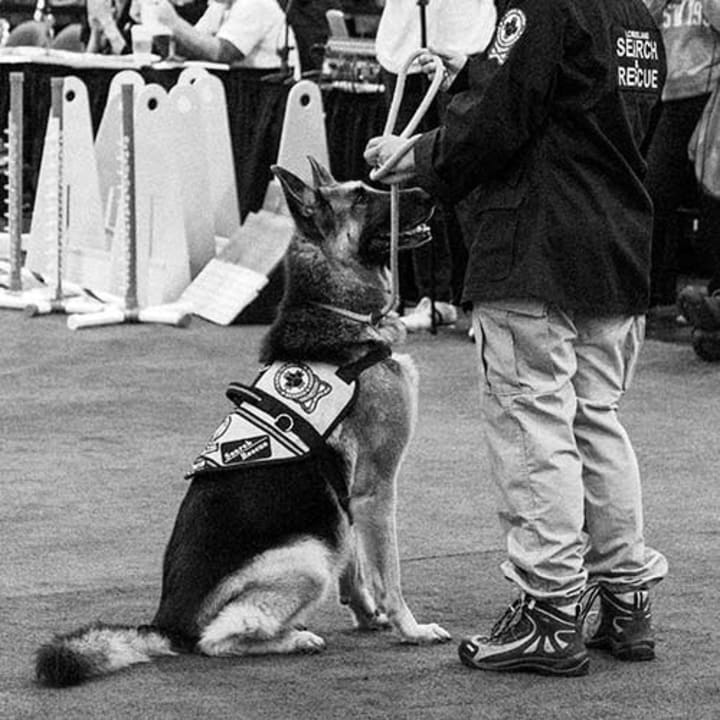
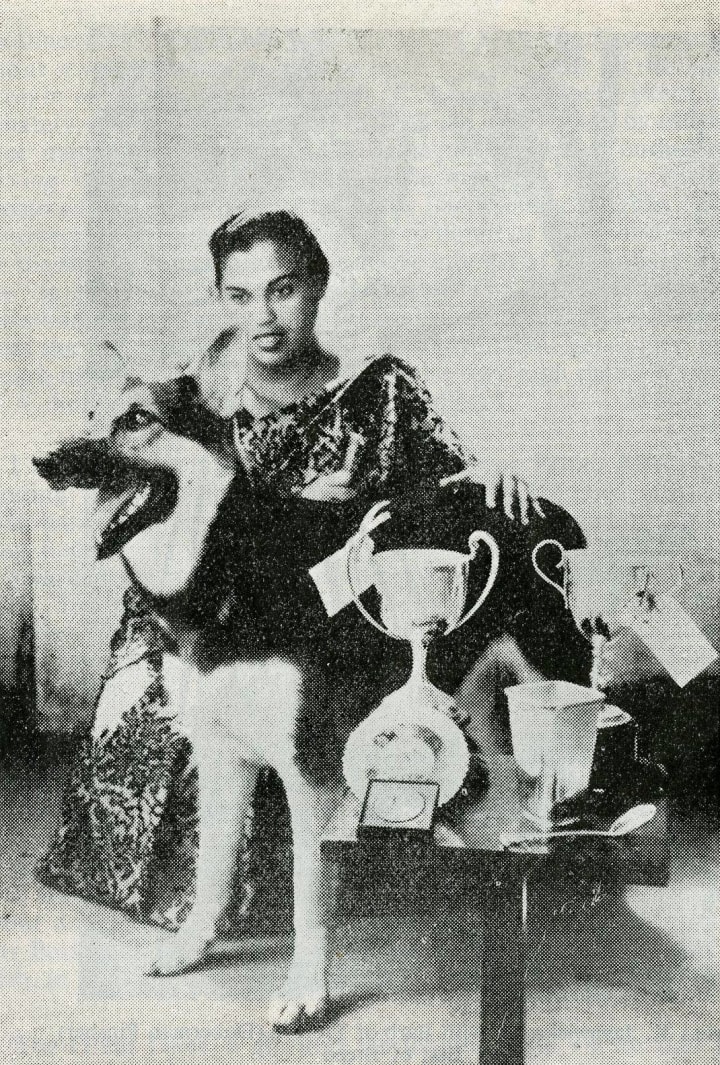
German shepherds are happy and loyal dogs when given a job. They can also make great pets when given a good physical and mental outlet, such as dog sports, working as a Search and rescue dog, a service dog, a therapy dog, a Police or military dog, or puzzle games. German shepherds are great dogs, and if you give them a job, they can be great companions.
Photo credit: American Kennel Club.
About the Creator
Paige Krause
Hi, I'm Paige, and I love to read and write. I love music and dogs. I will mostly write about my favorite things. Autistic and service dog handler. Enjoy my writings
I also post my articles on Medium
Keep reading
More stories from Paige Krause and writers in Petlife and other communities.
Keeping your pets safe (and calm) this holiday season
The holiday season may be magical for some humans, but for pets it only means confusion, changed routines, overstimulation, extra noise, guests or pet sitters come and go, and sometimes the festive season means danger for pets.
By Susan Fourtané 18 days ago in Petlife


Comments
There are no comments for this story
Be the first to respond and start the conversation.