
Keeping your pets safe (and calm) this holiday season
This is a guide that is inclusive of all kinds of house pets, from dogs and cats to rabbits, birds, rodents, and reptiles



The holiday season may be magical for some humans, but for pets it only means confusion, changed routines, overstimulation, extra noise, guests or pet sitters come and go, and sometimes the festive season means danger for pets.
Whether you share your home with a dog, cat, bunny, bird, hamster, fish, tortoise, or another small companion, a little preparation and thoughtfulness can make the holidays safer and calmer for everyone. Because, let's face it, for pets Christmas and New Year's is a time they have to survive.
Decorations - these can be risky for pets
Let's begin with holiday decorations. These can be irresistible to some curious pets. Fairy lights, ornaments, ribbons, and sometimes a tree that invites cats to a little indoor climbing adventure. Decorations can look like toys. However, many of them pose choking, ingestion, or electrocution hazards. When you choose your decoration you must think if they are safe for your pet. You can do a quick Google search if you are in doubt. Better safe than sorry. Secure the Christmas trees so they --especially cats-- can’t tip over if climbed or bumped. You most likely have seen YouTube shorts showing how easy it is for a cat to bring a tree down. But the worst is that the cat can be left trapped and wounded under the fallen tree, or worse. Also, avoid glass ornaments at pet level.
Keep fake snow, tinsels, and hooks well out of reach of your pet. Protect all electrical cords with covers (you can buy them on Temu or Amazon) or tape them down. This is especially important if you have a pet rabbit and you have not provided enough enrichment and chewing toys which are paramount for the teeth of the rabbit that needs to always chew something to wear his constantly growing teeth. This is important for all small pets --rabbits and rodents-- and you have to double-check that no dangling decor is near the mice and rats enclosure since they will try to chew it. If you have birds, be mindful about shiny, reflective decorations and candles because these can be especially dangerous.

Festive foods - not even “just a bite” is safe for pets
Holiday meals are full of foods that pets should never eat. Chocolate, onions, garlic, raisins, grapes, alcohol, xylitol (a common sweetener), cooked bones, and fatty leftovers can all be harmful, or even life-threatening for your pet. This, during a time when finding an open vet hospital or an available vet is close to mission impossible, not to mention the little fortune you will have to pay.
If you have guests, ask them not to feed your pets, no matter how cute they look. Before dinner is served, make sure your pets are well fed first. You could provide pet-safe treats so your furry companion doesn’t feel left out. For herbivores such as rabbits and guinea pigs, sudden diet changes can cause serious digestive issues. Be careful, since whilst you are preparing food in the kitchen your pets can be around looking at the opportunity to steal something from the counter, something that can be dangerous if they eat it.
Guests, noise, and overstimulation
Perhaps some dogs enjoy parties and to have strangers around. But that’s not true to all pets. Loud music, doorbells, unfamiliar people, and excited, crying children can cause anxiety, stress, and fear, especially for smaller or prey animals. Make sure you create a specially quiet, safe space where your pet can retreat undisturbed. Let guests know which pets like interaction and which don’t. Keep doors closed to prevent accidental escapes.
Consider background white noise such as relaxing music for pets (on YouTube: relaxing music for cats, dogs, guinea pigs, rabbits) for pets sensitive to sound and loud, unfamiliar noises. Stress in pets can show up in subtle ways such as hiding, refusing food, over-grooming, or unusual aggression. Stay alert and respect those signals your pet is sending.
Travel and routine change
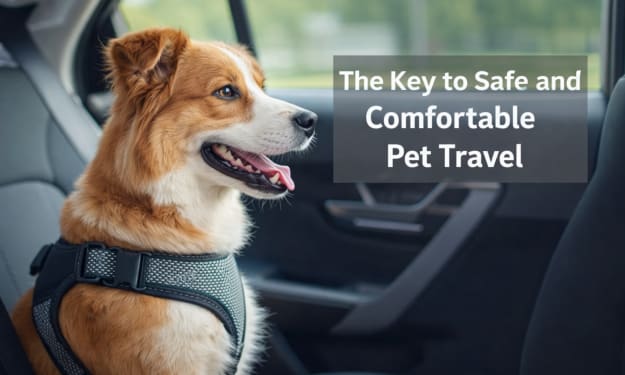
If you are travelling with your pet, make sure you do enough research for a pleasant and safe journey for your pet. Make sure carriers, harnesses, and identification are secure and up-to-date. If you are leaving your pets at home, arrange responsible pet care with someone who knows about pets and knows their routine. Leave clear written instructions for feeding, cleaning, and vet emergency contacts.
Keep lighting and temperature consistent and constant, especially for reptiles and small mammals. Pets thrive on routine and even small disruptions can affect their wellbeing. Don’t just think that the pets will be alright to feel better. Both their physical and emotional wellbeing matter.
Candles, scents, fires, and fireworks
Candles, essential oils, incense, and fireplaces can be hazardous for both humans and pets, but especially for the innocent pets who accidentally can get too close to them. Never leave open flames unattended; keep candles well away from tails, feathers, and curious noses. Be extra cautious with scented products if you have any; essential oils are toxic for pets, particularly for cats, birds, and rabbits. Opt for pet-safe alternatives like LED candles when possible and try to always avoid air-fresheners, incense, and scents, these are especially toxic for pets.
New Year’s eve is especially stressful and scary for most pets due to the fireworks (I wish they would be banned). Make sure your pet has access to safe places to hide, play some relaxing music for pets, and perhaps get some Pet Remedy to help with stress and anxiety.
Watch, adapt, and enjoy
Watching your pet is the most important rule. Observe your pet to learn normal behaviour and notice immediately when there is a small change. Small changes matter. Small pets, particularly rabbits, are masters hiding discomfort, illness, and pain and since they are not vocal you can only rely on observation and the knowledge you have acquired through your own research.
Remember that you know your pet’s personality best. What delights one animal may overwhelm another. By planning ahead and making small adjustments, you can enjoy the holidays knowing your pets are safe, comfortable, and loved, which is, after all, what matters most when you have a pet at home.
Helpful resources
ASPCA - Holiday Safety Tips for Pets
RSPCA - Christmas Hazards for Pets
American Veterinary Medical Association (AVMA) - Pet Safety
House Rabbit Society - Holiday Care Tips
Pet Poison Helpline - Toxic Foods and items
About the Creator
Susan Fourtané
Susan Fourtané is a Science and Technology Journalist, a professional writer with over 18 years experience writing for global media and industry publications. She's a member of the ABSW, WFSJ, Society of Authors, and London Press Club.
Keep reading
More stories from Susan Fourtané and writers in Petlife and other communities.
Trying to get back to full-time work whilst recovering from depression
There is a particular kind of silence that follows depression; it’s the absence left behind when your old life no longer fits and the new one hasn’t quite formed yet. That’s why I often compare depression with the state of metamorphosis.
By Susan Fourtané Exclusive • 2 months ago
Are Emotional Support Animals Allowed in Restaurants?
The question of whether emotional support animals (ESAs) are permitted in restaurants has become increasingly relevant in recent years. As more people rely on these animals for mental health support, conflicts have emerged between patrons with ESAs, restaurant owners, and other diners. Unlike service animals, which have clear legal protections under the Americans with Disabilities Act (ADA), emotional support animals occupy a more ambiguous legal space. Understanding the distinction between service animals and ESAs, knowing the applicable laws, and recognizing the practical challenges restaurants face is essential for anyone seeking to bring an emotional support animal into a dining establishment.
By Robert Barrett6 days ago in Petlife


Comments (7)
HUGS
WOW. Top Story. I have no pets, but animals follow me. Even Squirrels touch my shoes. I am vegan,
This is such an important reminder. Thank you for speaking up for pets who can’t tell us when they’re overwhelmed. Congrats on your Top Story :-)
Back to say congratulations on your Top Story! 🎉💖🎊🎉💖🎊
This is a great look at what can be dangerous for pets. Great job. My dog has her normal meds, but also a Thundershirt for when there are loud noises. I'm thankful my cats are beyond climbing the tree or stealing ornaments.
Oh wow, I had no idea that even cooked bones could be dangerous!
Merry Xmas, Susan, and thanks for these! I need reminders because I have three dogs!