dog
It's no coincidence that a dog is a man's best friend; they're more faithful than most other animals, and more faithful than many people.
Is Your Dog Suffering from Periodontal Disease?
The oral health of your dog will have a huge impact on their overall health conditions. Despite taking precautions, your dog might still develop oral problems. Gum disease and dental problems are some of the most common health conditions among dogs.
By Portrait My Pet3 years ago in Petlife
How to Handle Your Dog's Vomiting
Various factors, such as dietary choices, viral or bacterial infections, organ dysfunction, or foreign objects, frequently cause canine vomiting. Determining the cause of your dog's vomiting is important so you can provide the correct treatment and minimize further complications. This article will discuss handling your dog's vomiting to ensure their health and well-being. We will explore the potential sources of vomiting, assess the root of the problem, and provide care for your beloved pet. As pet owners, we should remain attentive to any indications suggesting our beloved canine requires medical attention from a veterinarian. Following the steps outlined in this article, you can better handle your dog's vomiting and give them the care they need for a speedy recovery.
By Portrait My Pet3 years ago in Petlife
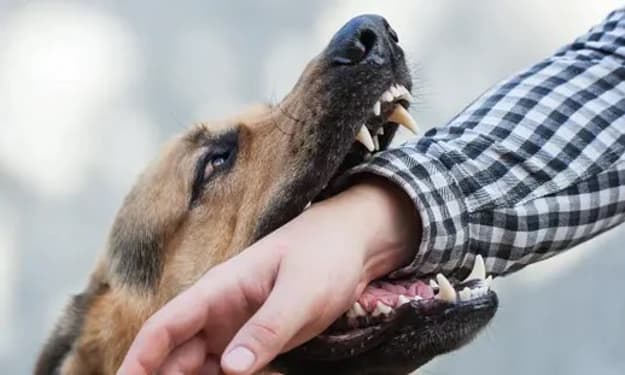
Decoding Canine Communication: How to Recognize Warning Signs and Prevent Dog Bites
Dogs are beloved companions, but it's crucial to remember that they have their own instincts and behaviors. While most dogs are friendly, it's essential to recognize the warning signs that a dog may feel threatened or aggressive. We aim to provide valuable insights into the warning signs to watch for, empowering individuals to approach dogs cautiously and respect their boundaries. With this knowledge, we can promote safer interactions and foster a harmonious relationship with our four-legged friends.
By Portrait My Pet3 years ago in Petlife
6 Super Smart Ways to Make German Shepherd Training Easier
Instructions to Prepare a German Shepherd Doggy the Correct Way for Quick Outcomes You could think your German Shepherd pup conduct at 8 to 12 weeks is deliberately or in light of the fact that they're overall terrible. Be that as it may, truly, a multi week old German Shepherd actually doesn't have the development to comprehend their terrible way of behaving completely.
By Keven Harrington3 years ago in Petlife
A Comprehensive Guide to the Do’s and Don’ts of Responsible Dog Ownership
Part I: The Do’s of Dog Ownership 1. Do Provide Proper Nutrition: A well-balanced diet is the cornerstone of good health for your dog. Consult with a veterinarian to determine the best diet for your dog’s age, size, and specific health requirements. Choose high-quality dog food that meets their nutritional needs, and avoid feeding them table scraps, as certain human foods can be harmful to dogs. 2. Do Regular Exercise: Regular exercise is essential for a dog’s physical and mental well-being. Take your dog for daily walks, engage in playtime, and consider activities such as fetch or agility training to keep them mentally stimulated and physically fit. 3. Do Schedule Routine Veterinary Check-ups: Regular visits to the veterinarian are crucial to monitor your dog’s health, receive vaccinations, and address any potential medical concerns. Establishing a preventive healthcare routine can prevent serious illnesses and ensure your dog lives a longer, happier life. 4. Do Socialize Your Dog: Socialization is key to raising a well-adjusted and friendly dog. Introduce your dog to various people, animals, and environments from a young age, and use positive reinforcement to build their confidence and trust. 5. Do Provide Mental Stimulation: Dogs are intelligent creatures that need mental stimulation to prevent boredom and destructive behavior. Puzzle toys, interactive games, and training sessions can engage your dog’s mind and strengthen your bond. 6. Do Keep Your Dog Safe: Ensure your dog’s safety by providing a secure and comfortable environment. Secure your yard with proper fencing, use a leash during walks, and keep toxic substances, plants, and small objects out of your dog’s reach. 7. Do Practice Positive Reinforcement Training: Positive reinforcement training, such as using treats, praise, and affection, is a humane and effective way to teach your dog commands and desirable behavior. Reward-based training builds trust and strengthens the bond between you and your dog. 8. Do Consider Adoption: If you’re ready to welcome a dog into your family, consider adopting from a shelter or rescue organization. Adoption not only provides a loving home for a dog in need but also brings joy and fulfillment to your life. Part II: The Don’ts of Dog Ownership 1. Don’t Neglect Grooming: Regular grooming is essential for your dog’s hygiene and overall health. Brush your dog’s coat to prevent matting and shedding, clean their ears, and trim their nails regularly. Neglecting grooming can lead to skin issues and discomfort. 2. Don’t Overlook Dental Care: Dental health is often overlooked in dogs, but it is critical to their well-being. Brush your dog’s teeth regularly, offer dental treats, and schedule dental check-ups with your veterinarian to prevent dental problems. 3. Don’t Leave Dogs Alone for Extended Periods: Dogs are social animals that thrive on companionship. Leaving them alone for long periods can lead to anxiety and behavioral issues. If you have a busy schedule, consider hiring a dog walker or enrolling your dog in doggy daycare. 4. Don’t Use Punishment-Based Training: Punishment-based training methods, such as hitting or yelling, are harmful and counterproductive. They can lead to fear and aggression in dogs. Instead, focus on positive reinforcement and patience during training sessions. 5. Don’t Skip Vaccinations and Preventative Medications: Vaccinations and preventative medications are essential to protect your dog from diseases and parasites. Stay up-to-date with their vaccinations and administer flea, tick, and heartworm preventatives as recommended by your veterinarian. 6. Don’t Allow Off-Leash Walking in Unsafe Areas: While off-leash walking can be enjoyable for dogs, it should only be done in safe, designated areas. Uncontrolled off-leash dogs can pose a risk to other dogs, wildlife, and even themselves. 7. Don’t Overfeed or Underfeed: Maintaining a healthy weight is crucial for your dog’s overall health. Obesity can lead to numerous health issues, while underfeeding can result in malnutrition and weakness. Follow your veterinarian’s feeding guidelines and adjust based on your dog’s activity level and age. 8. Don’t Ignore Behavioral Changes: If your dog’s behavior suddenly changes, such as increased aggression, lethargy, or loss of appetite, it could be a sign of underlying health issues. Seek veterinary attention promptly to address any medical concerns. Conclusion: Owning a dog is a rewarding experience that comes with great responsibility. By following the do’s and don’ts outlined in this guide, you can provide your canine companion with the love, care, and attention they deserve. Remember, each dog is unique, and understanding their individual needs is crucial to building a strong and lasting bond. With proper care and attention, you and your dog can enjoy a fulfilling and joyous life together.
By Aessy Lefiano3 years ago in Petlife
The Secret to an Extended Journey for Your Four-Legged Companion
We all want our four-legged companions to endure, to dig their claws into this earth for as long as possible, sharing in the joys and tribulations of our existence. We want them to embrace life, to run wild with the wind in their fur, to curl up beside us on those lazy Sunday afternoons that stretch on forever. The question remains, my fellow wanderers, what is the secret elixir that can extend their journey beside us? Is there some mystical formula that guarantees their vitality and unbridled bliss? Well, gather round, for I have no secret to disclose, but I do possess a few tricks up my sleeve that can potentially grant more time to our faithful companions.
By Harvind Selva3 years ago in Petlife
Why is my dog eating grass?
As a dog owner, you must have seen your furry friend eating grass at some point, and you might have wondered why they do that. While it's gross, it's an entirely normal behavior for dogs. However, some dog owners believe that eating grass could be a symptom of something more profound than canine curiosity. This article will dive into the reasons why dogs eat grass, and if there are any health concerns that you need to worry about.
By Gyan Biswal3 years ago in Petlife