
Reptiles Disinfectants: Keeping Your Cold-Blooded Friends Safe and Healthy
Read this blog to know - Reptiles Disinfectants: Keeping Your Cold-Blooded Friends Safe and Healthy

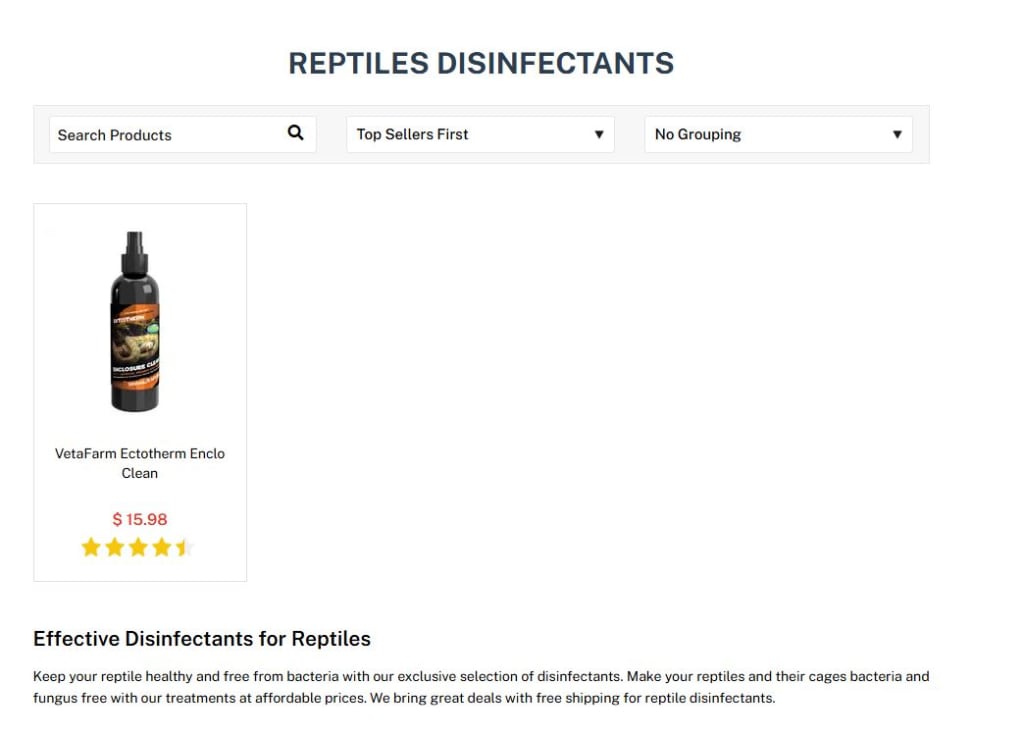
If you own a reptile, you already know how fascinating and rewarding these cold-blooded creatures can be. But caring for reptiles isn’t just about feeding them and setting up a cozy enclosure—it’s also about keeping their living space clean and free from harmful pathogens. That’s where reptile disinfectants come in. Unlike regular cleaners, these products are specially designed to kill bacteria, fungi, and parasites without harming your reptile.
Understanding Reptile Disinfectants
Reptile disinfectants are cleaning agents formulated to eliminate harmful microorganisms in terrariums, tanks, and enclosures. Unlike common household cleaners, they are safe for use around sensitive reptiles, ensuring effective sanitation without toxic residues.
Why Cleaning Alone Isn’t Enough
Wiping down surfaces or removing waste might make your reptile’s enclosure look clean, but unseen dangers still lurk. Harmful bacteria, fungi, and parasites thrive in warm, humid environments—exactly the kind of conditions reptiles need. Without proper disinfection, your reptile can face infections, poor health, or even life-threatening diseases.
Key Benefits of Using Reptile Disinfectants
Disease Prevention: Stops harmful bacteria like salmonella from spreading.
Parasite Control: Helps reduce the risk of mites and other external parasites.
Extended Lifespan: A cleaner environment means a healthier, longer-living reptile.
Peace of Mind: You can rest easy knowing your reptile is safe.
Common Pathogens in Reptile Habitats
Salmonella: Common in reptiles and transmissible to humans.
Mites and Parasites: Thrive in dirty enclosures and stress your reptile.
Fungi and Mold: Grow rapidly in damp areas, damaging respiratory health.
Types of Reptile Disinfectants
Chlorhexidine-Based Disinfectants – Safe, non-toxic, and effective against most pathogens.
Quaternary Ammonium Compounds – Strong disinfectants, but must be used carefully.
Natural/Herbal Disinfectants – Eco-friendly but sometimes less effective.
Household Alternatives – Vinegar or diluted bleach (only with proper precautions).
Chlorhexidine: The Gold Standard?
Chlorhexidine-based disinfectants are considered the gold standard for reptile enclosures. They’re effective, safe to use around reptiles, and leave little to no harmful residue. Many reptile owners swear by it as their go-to cleaning solution.
Safe Household Alternatives for Reptile Care
Vinegar-Water Mix: Works for mild cleaning but not as strong against pathogens.
Diluted Bleach (1:32 ratio): Effective but must be rinsed thoroughly and dried before the reptile returns.
How to Properly Use Reptile Disinfectants
Remove your reptile from the enclosure.
Clear out food, water bowls, and decorations.
Apply disinfectant evenly across all surfaces.
Let it sit for the recommended contact time.
Rinse thoroughly and allow to dry before returning your reptile.
Frequency of Disinfection
Daily: Spot-clean droppings and leftover food.
Weekly: Wipe surfaces and clean water dishes.
Monthly or Seasonally: Deep-clean and disinfect the entire enclosure.
Disinfecting Different Enclosure Materials
Glass Tanks: Easy to disinfect, but watch for streaks.
Wooden Enclosures: More porous—use safe disinfectants and allow thorough drying.
Plastic/Acrylic: Use non-abrasive cleaning tools to avoid scratches.
Tools and Accessories That Need Disinfection
Food and water bowls
Branches, hides, and décor items
Heating elements and lighting fixtures (with caution)
Safety Tips for Using Disinfectants
Always remove your reptile before cleaning.
Ensure proper ventilation during and after disinfection.
Store disinfectants securely away from pets and children.
Choosing the Right Reptile Disinfectant
When picking a disinfectant, consider:
Your reptile species’ sensitivity
Type of enclosure material
Strength of disinfectant needed
Trusted brands include F10, Nolvasan, and Zoo Med Wipe Out.
Common Mistakes to Avoid
Using too much disinfectant (leads to residue buildup)
Skipping rinsing and drying steps
Mixing products like bleach and ammonia (dangerous fumes)
Best Practices for a Healthy Habitat
Disinfectants are powerful tools, but they work best when combined with proper reptile husbandry:
Maintain correct temperature and humidity levels.
Provide clean, fresh water daily.
Rotate décor items for easier cleaning.
Conclusion
Reptiles may be hardy creatures, but their health depends heavily on the cleanliness of their environment. Using reptile-safe disinfectants is the key to preventing disease, extending their lifespan, and ensuring they thrive in captivity. With the right products and cleaning routine, you’re not just cleaning a tank—you’re building a safe, healthy home for your reptile.
FAQs
1. What disinfectant is safest for reptiles?
Chlorhexidine-based disinfectants are widely considered the safest and most effective.
2. Can I use bleach for reptile cages?
Yes, but only when diluted properly (1:32 ratio) and thoroughly rinsed and dried.
3. How often should I disinfect a reptile enclosure?
Spot-clean daily, disinfect weekly, and deep-clean monthly or as needed.
4. Are natural disinfectants effective?
They can be helpful for light cleaning but may not kill all harmful pathogens.
5. What should I avoid when disinfecting reptile habitats?
Avoid harsh chemicals, strong fragrances, and mixing cleaning agents.
About the Creator
Thomas Muller
VetSupply is a leading online pet store in Australia with a comprehensive range of products that cater to all your pet care needs.
Keep reading
More stories from Thomas Muller and writers in Petlife and other communities.
Which Wormer is Best for Horses?
Parasite control is one of the most important aspects of horse care. Worm infestations can lead to weight loss, colic, poor coat condition, and even life-threatening complications if left untreated. With so many equine wormers available on the market, horse owners often find themselves asking: Which wormer is best for horses?
By Thomas Muller4 months ago in Petlife
Keeping your pets safe (and calm) this holiday season
The holiday season may be magical for some humans, but for pets it only means confusion, changed routines, overstimulation, extra noise, guests or pet sitters come and go, and sometimes the festive season means danger for pets.
By Susan Fourtané 16 days ago in Petlife
What It Really Means When a Cat Chooses You
Imagine this: you walk into a room, and out of all the people, your cat slowly pads toward you, curls up on your lap, and stares at you with eyes full of trust and curiosity. You feel that instant connection, a silent message that says, “I’ve chosen you.” But have you ever stopped to wonder what it really means when a cat chooses you?
By Ahmed aldeabella3 days ago in Petlife
A Failed Artist, A Disillusioned Poet, An Underpaid Game Show Host
I took my son and niece to Gori, a small town in Georgia where Joseph Stalin was born. They talked me into visiting the Stalin's Museum, the largest in the post-Soviet space. I had resisted going there because I just can't stand the monster and know enough about him, or so I thought.
By Lana V Lynx6 days ago in FYI


Comments
There are no comments for this story
Be the first to respond and start the conversation.