
Polly Wants a Cracker
The most colorful parrots in the world

Oceania
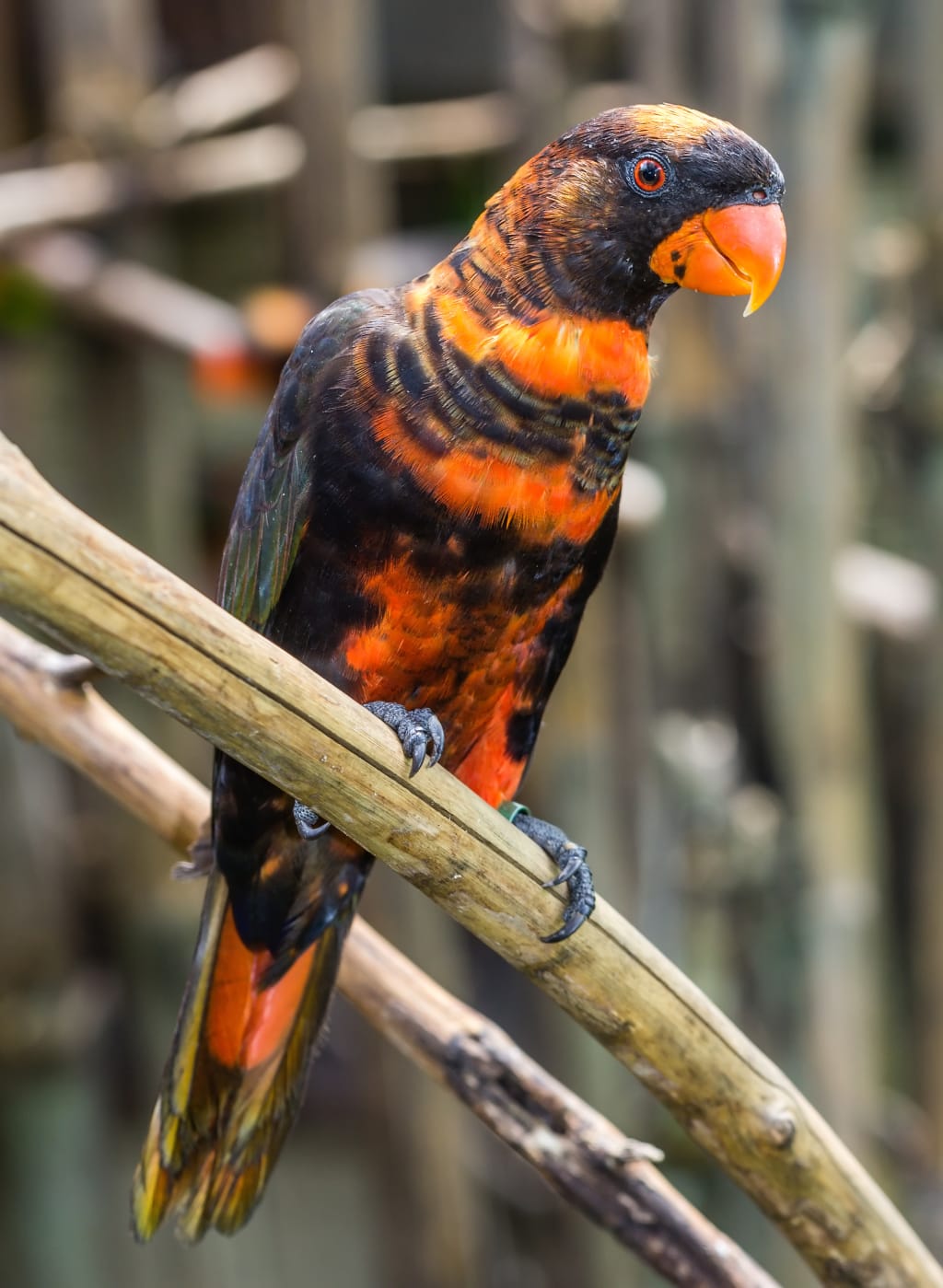
Lovely in colors of brown, orange and white feathers with orange beaks dusky lories make their home in New Guinea and on the nearby islands of Salawati and Yapen. Their habitats are tropical and subtropical lowlands and mangrove forests.
Dusky lories have a diet that consists of fruit, seeds, nectar, and buds and will travel around 30 miles a day in search of food.
Australia and New Zealand
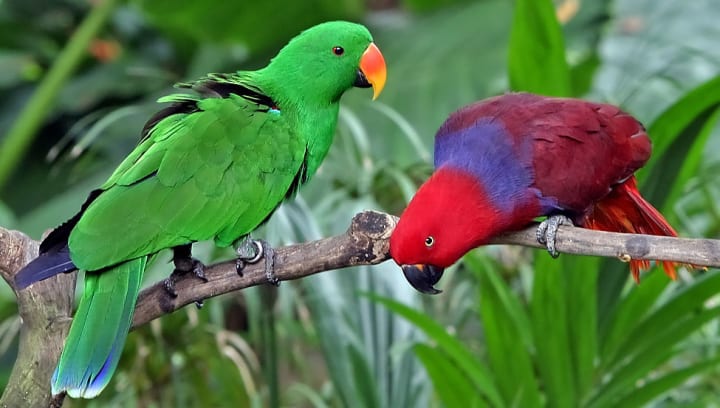
Grand eclecturs parrots live in Australia, the Solomon Islands, Sumba, New Guinea and the Maluku Islands. Their favored habitats are tropical rainforests. Males differ from females with their bright green with red feathers under their wings and on the sides of their bodies. Females have red with purple feathers across their backs, abdomen, and underside of their wings. They make nests in in large tree hollows.
These parrots enjoy fruits like pomegranates and papaya and figs, flowers, leaf buds, and some seed.
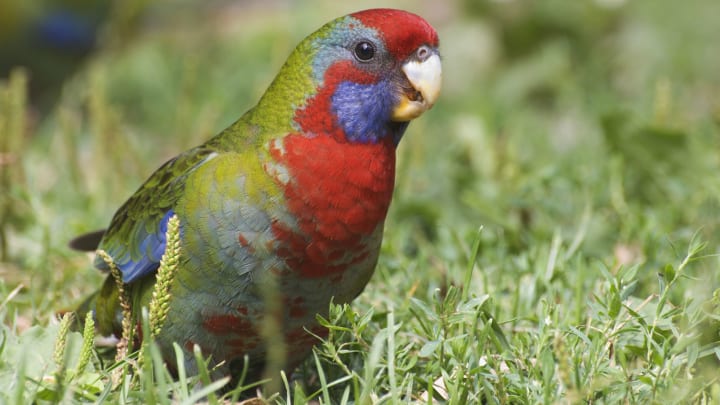
Crimson rosellas make their homes in Australia and are an introduced species to New Zealand and Norfolk Island. They are medium sized with very long tails. These birds have stricking red bodies with purple-blue wing and tail feathers. Their habitat is coastal and mountain forests and woodlands prefering to be in wetter areas.
Their diets include native grass seeds, herbs, fruits, berries, nuts, insect larvae, and flower buds.
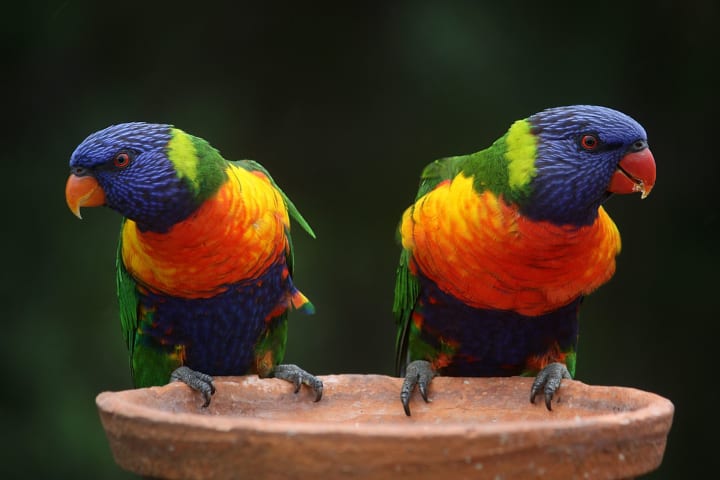
Rainbow lorikeets are among the most lovely parrots in the world. They are attractive with their green, orange, and blue feathers. They make their home in Australia and are an introduced speices in Tasmania, New Zealand, and Hong Kong, Their habitats are rainforests and coastal woodlands.
Their diets include nectar and pollens. They'll eat furits, berries, blossoms, and buds.
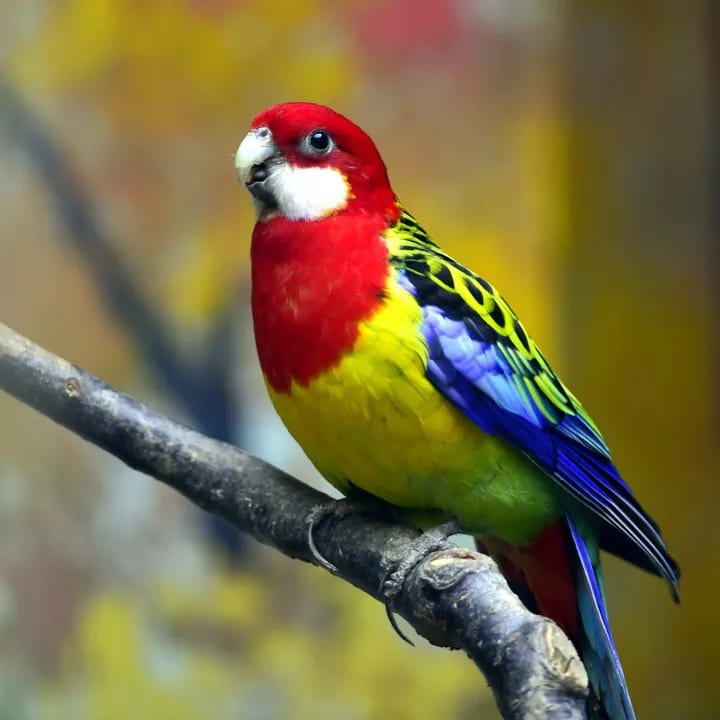
Eastern rosellas make their homes in Australia and Tasmania and have been introduced to New Zealand. Their habitats are lightly wooded areas. They have white cheek patches and red feathers on their heads, necks, and breasts with yellowish to greenis upper parts and a yellow underbody with the tail end being yellow-green to blue-green and a red undertail with blue shoulder feathers.
Their diets include native grass seeds, herbs, fruits, and flowering buds.
Central and South America
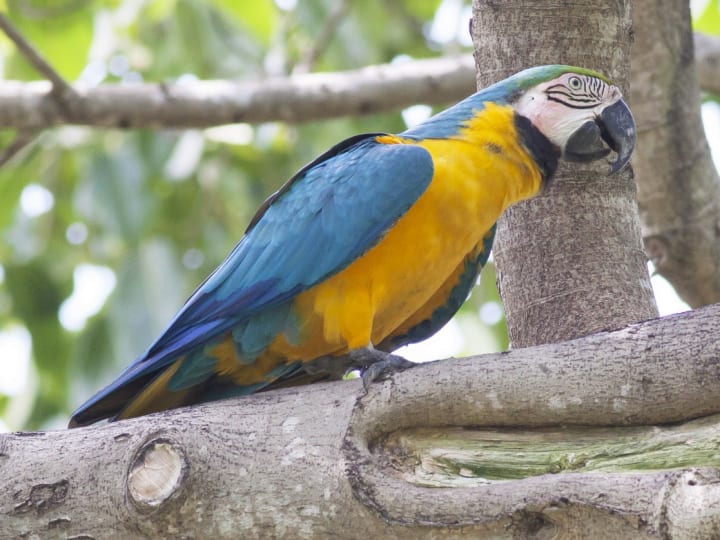
Macaws in blue and gold are easily recognizable and draw attention with their brilliant blue upper bodies and tail feathers. Their foreheads are green and they have yellow lower bodies. These parrots make their home in Central and South America where their habitats include woodlands and forests. These birds have the talent to mimic human voices.
In the wild macaws enjoy eating a variety of seed, berries, fruit, and vegetation like leaf buds.
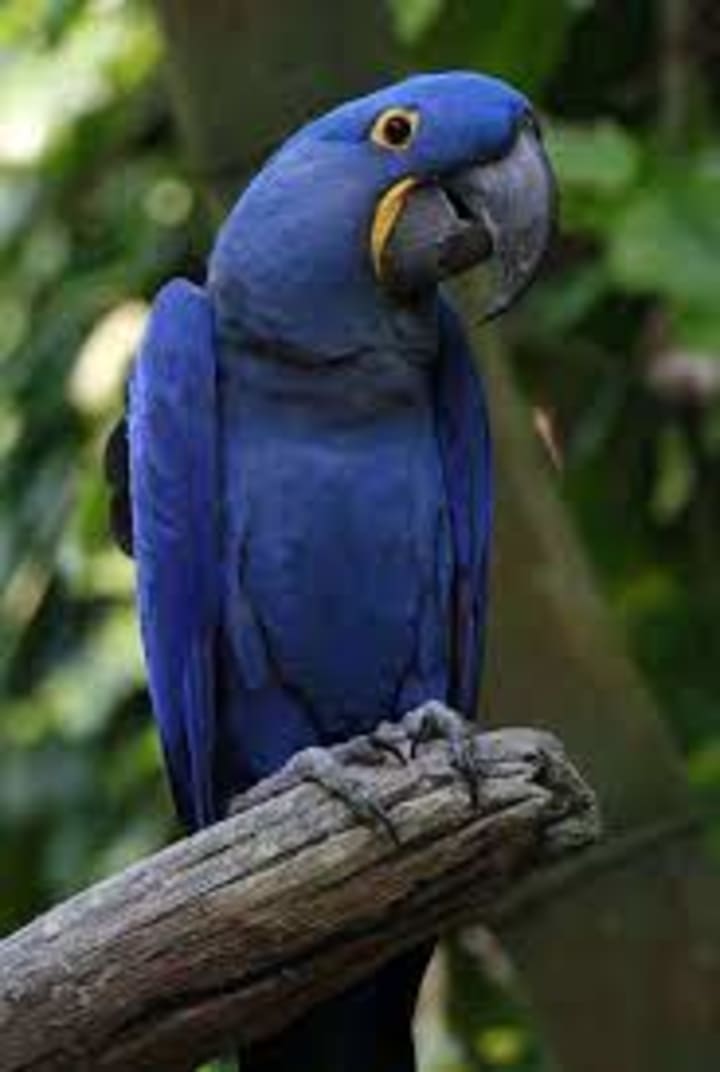
Hyacinth macaws are the longest parrots in the world. They are adorned with royal blue feathers and have bright yellow eye rings and chins with long-pointed tails. They make their homes in southern Brazil and western Bolivia and enjoy being in palm swamps and open woodlands. It is unfortunate that due to habitat loss and the pet trade they are an endangered species,
Living in the wild these birds enjoy fruit, green vegetation, and nuts. They especially like the nuts from the acuri and bocaiuva palms and with their strong beaks can crack open coconuts.
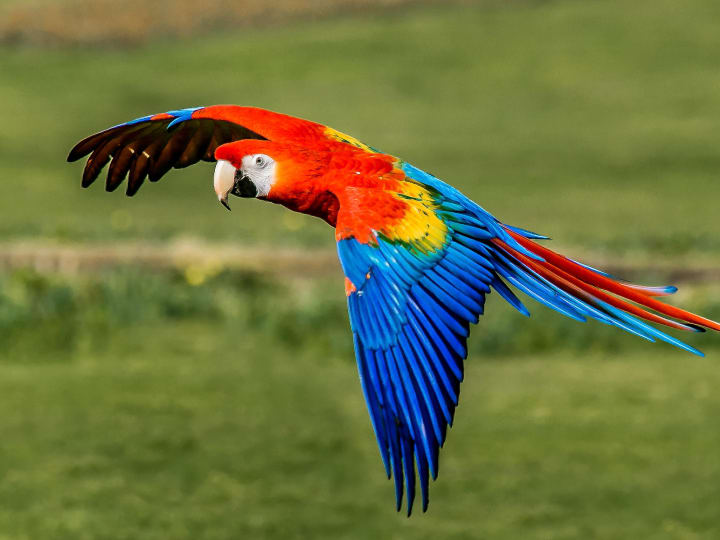
Scarlet macaws are large parrots with blue, red, and yellow plumage. They have the honor of being the national bird of the Honduras. They make their home in Central and South America. Their tails are very long over half of their length.
Their diet includes nuts, leaves, berries, and seeds found in the rainforest.
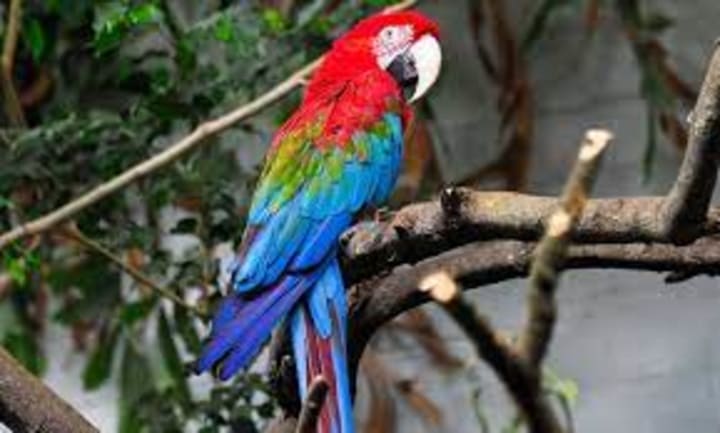
Green-winged macaws live in the South American tropical rainforests. They have red feathers across their heads and bodies and their wings are in bright green and blue as well as their tails.
Their diets include nuts, fruit, berries, seeds, and vegetation foraged from trees.
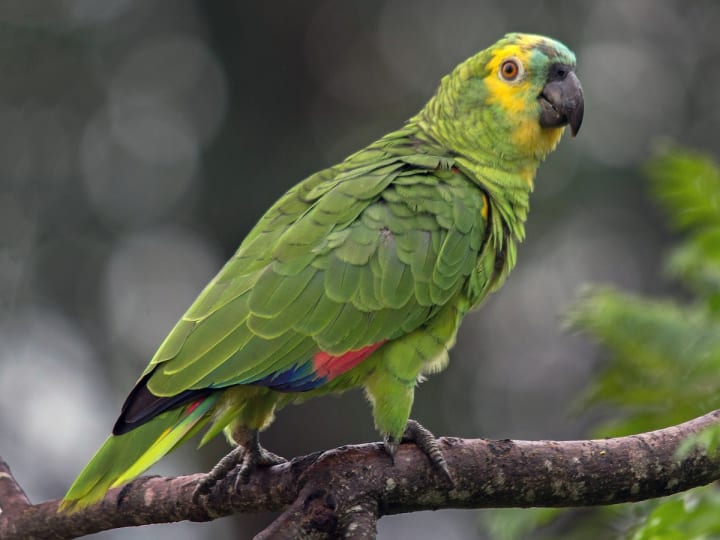
Turquoise-fronted Amazons make their homes across Argentina, Bolivia, Brazil, and Paraguay. They have light blue feathers on their foreheads while their bodies are green with yellow around their eyes. Their habitat is the tropical and subtropical forests.
These parrots enjoy fruits, berries, nuts, seeds, and leaves.
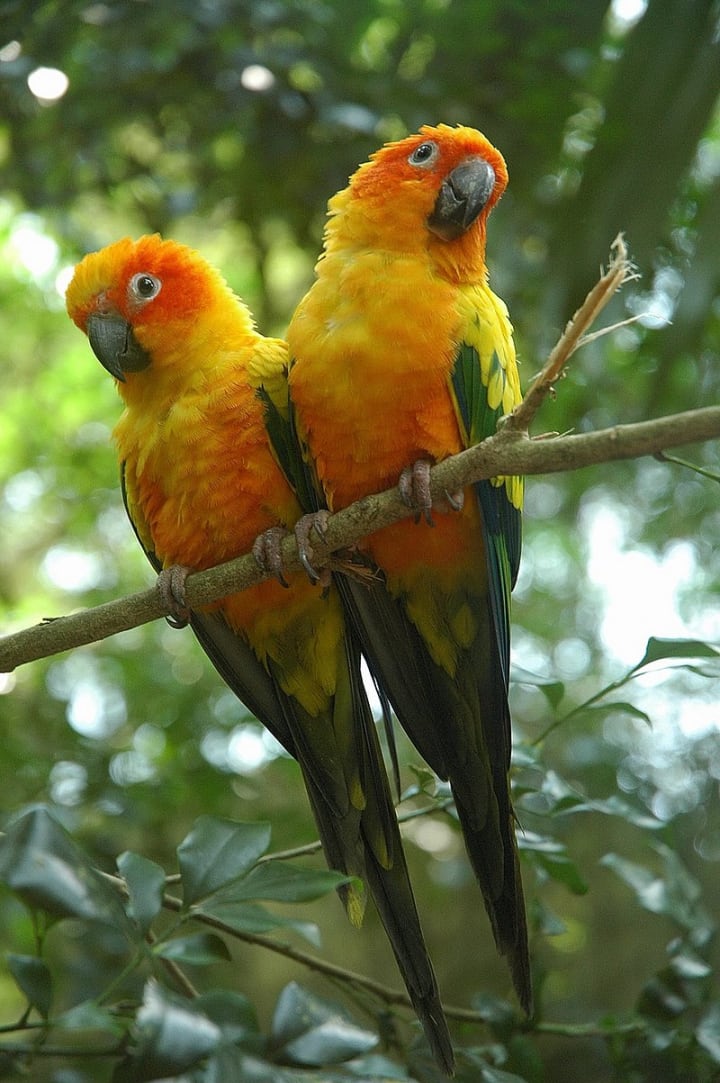
Sun conures are among the most vibrant colored parrots with yellow-orange bodies and green wings and tails, They make their homes in north Brazil and southern French Guiana, Guyana and Suriname. These birds prefer a tropical habitat. They are an endangered species due to habitat loss and the pet trade.
These birds enjoy fruits, flowers, berries, blossoms, seeds, nuts, and insects. They also favor red cactus fruits, Malpighia berries, and legume pods.
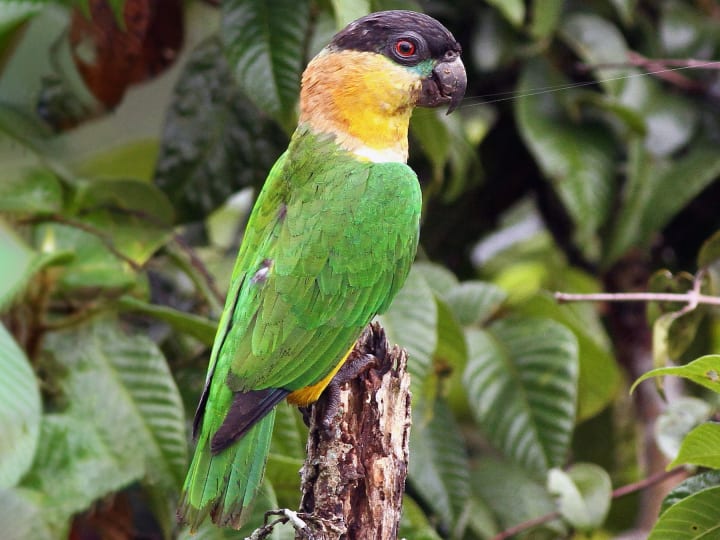
Black-headed parrots make their homes in the river forests of the Amazon River from Brazil to Venezuela.
These parrots are popular in aviculture and their diets include flowers, pulp, seeds, and insects.
About the Creator
Rasma Raisters
My passions are writing and creating poetry. I write for several sites online and have four themed blogs on Wordpress. Please follow me on Twitter.
Keep reading
More stories from Rasma Raisters and writers in Petlife and other communities.
Cooing a Song of Love
When I saw the photos of some of these pigeons in my mind I pictured all the pigeons I had fed in my life in all kinds of city parks. Usually, they were gray, some with colored feathers around the neck, some gray, and some white. Who knew there were any other kinds?
By Rasma Raisters4 years ago in Petlife
Why Didn't Anyone Tell Us
Men, move along. This is not for you. This is for the women. I was forty-five when I began menopause. It is pretty young for that to be going on in a woman’s life, but I had undiagnosed PCOS, my entire life. Thank you to all the gynecologists I had seen my entire life. That in itself should encourage women to keep seeking second opinions, especially when you are not getting correct answers or any at all.
By Alexandra Granta day ago in Humans



Comments
There are no comments for this story
Be the first to respond and start the conversation.