
Pet Antibiotics, Dog & Cat Antibiotic Treatments
Read this blog to know - Pet Antibiotics, Dog & Cat Antibiotic Treatments

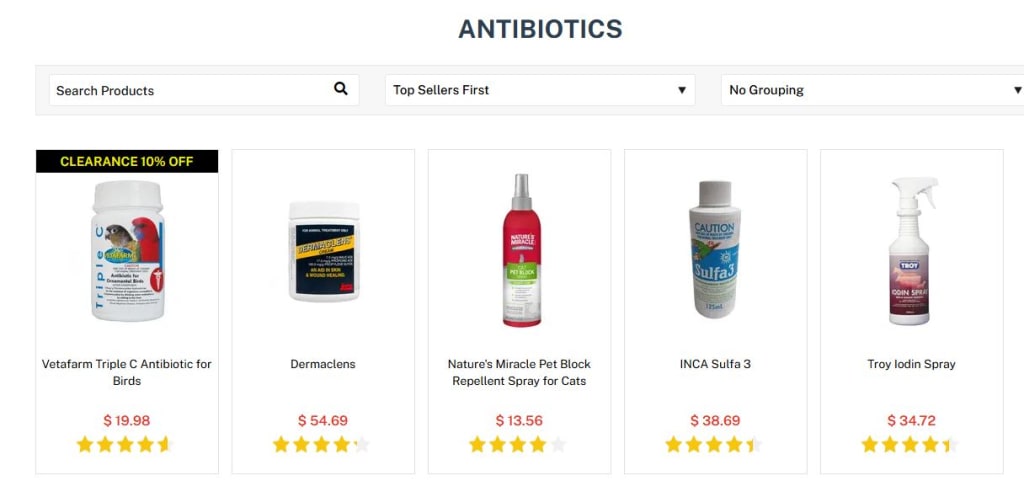
When our beloved pets fall ill, especially due to bacterial infections, antibiotics can be lifesavers. But understanding what pet antibiotics are, when and how to use them, and the risks involved is crucial for every pet owner. Let's dive deep into the world of dog and cat antibiotic treatments and uncover everything you need to know for your pet's health.
What Are Pet Antibiotics?
Simply put, pet antibiotics are medications designed to treat bacterial infections in animals. Much like humans, pets can get infected with bacteria that cause ailments ranging from skin infections to urinary tract infections. Antibiotics help kill or inhibit these bacteria, aiding your pet's recovery.
Common Bacterial Infections in Dogs and Cats
Pets, especially dogs and cats, can suffer from a variety of bacterial infections:
Skin Infections
These are among the most common infections in dogs. Symptoms include redness, itching, swelling, and sometimes pus-filled sores. Antibiotics can treat these effectively when prescribed by a vet.
Ear Infections
Ear infections can cause discomfort, shaking of the head, and a foul smell. They often require topical and sometimes oral antibiotics.
Urinary Tract Infections (UTIs)
More common in female pets, UTIs can cause frequent urination, discomfort, and sometimes blood in the urine.
Respiratory Infections
Pets can catch bacterial infections affecting their lungs or throat, leading to coughing, sneezing, and nasal discharge.
Types of Antibiotics Used for Pets
There are various antibiotics tailored for different infection types:
Broad-spectrum Antibiotics
These work against a wide range of bacteria. They are often used when the specific bacteria causing infection isn't yet identified.
Narrow-spectrum Antibiotics
Target specific bacteria types and are preferred when the bacteria is known.
Topical vs Systemic Antibiotics
Topical antibiotics are applied directly to the infected area (like skin or ears), while systemic antibiotics are given orally or via injection to treat infections inside the body.
Popular Pet Antibiotics Brands and Drugs
Here are some commonly prescribed antibiotics for pets:
Amoxicillin: Effective against many bacterial infections.
Clindamycin: Often used for dental infections and abscesses.
Cephalexin: Common for skin infections.
Metronidazole: Used for intestinal infections and certain parasites.
How to Use Antibiotics Safely for Pets
Using antibiotics correctly is vital:
Always follow the veterinarian’s dosage instructions.
Complete the full course, even if your pet seems better.
Do not share antibiotics between pets or use leftover medications.
Potential Side Effects of Antibiotics in Pets
While antibiotics are essential, they can sometimes cause:
Allergic reactions like swelling or hives.
Upset stomach, vomiting, or diarrhea.
Long-term use can contribute to antibiotic resistance, making infections harder to treat.
Antibiotic Resistance in Pets: Causes and Prevention
Antibiotic resistance happens when bacteria evolve to survive antibiotics. This often occurs due to:
Overusing antibiotics.
Not finishing the prescribed course.
Using antibiotics without proper veterinary guidance.
Prevent this by always consulting your vet before administering antibiotics.
Signs Your Pet May Need Antibiotics
Look out for:
Persistent wounds or sores.
Unusual discharge or bad odor.
Fever, lethargy, or loss of appetite.
Difficulty urinating or breathing.
If you notice any, schedule a vet visit promptly.
Diagnosis of Infections in Pets
Vets will typically perform:
Physical exams.
Lab tests including cultures to identify bacteria type.
Blood tests to assess your pet’s overall health.
Alternatives and Complementary Treatments
Besides antibiotics, supportive care can help, such as:
Probiotics: To restore good bacteria in the gut.
Natural remedies: Some plant extracts or supplements may support healing.
Preventative care: Regular grooming, vaccinations, and hygiene reduce infection risk.
Buying Pet Antibiotics Online: What to Know
If purchasing antibiotics online:
Only buy from reputable and licensed sellers.
Never use antibiotics without a valid vet prescription.
Avoid counterfeit or expired medicines.
Frequently Asked Questions About Pet Antibiotics
Can I give my pet human antibiotics?
No, human medications can be harmful or ineffective. Always use pet-specific antibiotics prescribed by a vet.
How long does an antibiotic course last?
Typically 7-14 days but depends on infection type and vet’s advice.
What if my pet refuses to take antibiotics?
Consult your vet for alternatives like flavored pills or injectable forms.
Are there any natural alternatives to antibiotics?
Some natural supplements help but do not replace antibiotics for serious infections.
Can antibiotics cure viral infections in pets?
No, antibiotics only work on bacterial infections, not viruses.
Conclusion: Keeping Your Pet Healthy with Proper Antibiotic Use
Antibiotics play a crucial role in treating bacterial infections in dogs and cats, ensuring they bounce back to health quickly. However, responsible use is key — always seek veterinary advice, follow prescriptions carefully, and never self-medicate your pet. By doing so, you protect not only your furry friend but also help prevent antibiotic resistance. Remember, your pet’s health is in your hands!
About the Creator
Thomas Muller
VetSupply is a leading online pet store in Australia with a comprehensive range of products that cater to all your pet care needs.
Keep reading
More stories from Thomas Muller and writers in Petlife and other communities.
What is the Best Treatment for Pet Allergies?
Pet allergies can sneak up out of nowhere. One day your dog’s scratching a little, and the next—bam! Red skin, flaky patches, and a whole lot of discomfort. Whether it’s food, fleas, or the environment, knowing how to bring pet allergy relief is crucial for your fur baby’s comfort. Let’s break down everything you need to know.
By Thomas Muller8 months ago in Petlife
A Dart at Dusk
Seconds ago, the sullen sun set on the two of us… my exuberant furry companion and me. A fresh breeze embraces us, delivering welcome relief from the day’s oppressive heat. His typical stumbling and staggering along — apace with a sloth — has turned into trip-trapping, high-stepping, almost skipping along.
By Angie the Archivist 📚🪶6 days ago in Petlife
The Chair That Never Came
The ballroom shimmered beneath a thousand lights, every breath in the room carrying a quiet note of expectation. It was the annual Global Philanthropy Summit — the kind of gathering where names were whispered, not introduced, and where power did not need to announce itself. Guests filled the hall in practiced elegance: CEOs, founders, donors whose signatures could build hospitals or topple companies. Their names were printed on cards in the front rows — curated, counted, and arranged weeks ahead of time. And then, she arrived. Megan, the Duchess of Sussex, stepped into the room with her aide at her side — unlisted, unexpected, yet walking with the confidence of someone long accustomed to the world bending for her. A ripple went through the staff. She wasn’t on the schedule. Her name wasn’t on the seating chart. Yet here she was — bright, smiling, certain that a seat had been prepared simply because she had entered. Her assistant gestured toward the front row — an empty chair, momentarily vacated by a tech billionaire who had stepped away. They approached. A tap on her shoulder stopped her. “I’m sorry, ma’am,” an event coordinator said, voice low but firm. “This row is reserved. We have a place for you on the side.” It was polite. It was professional. But it was also final. Witnesses described a frozen moment — the duchess pausing, her fixed smile barely shifting. She waited. Surely someone would come. Someone always did. Someone to pull forward a chair, clear a space, make room for The Duchess. But the room moved without her. Guests settled. Conversations resumed. Cameras flashed for other faces. No eyes searched for her. No staff scrambled. For a long, awkward stretch of minutes, she stood — a royal silhouette in a space where titles were currency no one traded in. Only after the keynote began did someone quietly guide her to a chair far off to the side — not ignored, but unmistakably ordinary. It was a message sharper than any royal protocol. Here, pedigree meant nothing. Here, you had to earn your place. As she sat, her posture perfect, she seemed smaller somehow — not in height, but in certainty. She had left behind a palace she felt confined her. Now she was discovering that the world outside was not a red carpet rolled out on demand, but a maze of circles that chose who belonged. No one glared. No one mocked. Worse — no one cared. And as the lights dimmed and the speaker continued, the duchess realized that a story she controlled for years — of escape, of reinvention, of ranking above the room — had slipped unexpectedly from her hands. Because in this world, there were no thrones to claim. Only seats to earn. And on this night, hers had not yet been built. Yet the echoes of that evening stretched far beyond the ballroom. In the days that followed, the incident circulated quietly through private WhatsApp groups, PR offices, and agency boardrooms long before it drifted onto newsfeeds. It became not merely a moment, but a cautionary parable whispered among people who move unseen behind red carpets and televised galas. The philanthropic summit, for all its glamour, was in essence a workplace — one built on long hours, unglamorous logistics, and delicate balances of influence. Those who earned their seats — hedge fund architects, founders who spent decades scaling companies from kitchen tables, activists who slept more nights in tents than in five-star hotels — had arrived with portfolios of proof. Their chairs symbolized legacy, labor, and investment. That was the silent contradiction that defined the tension of the evening: a clash between earned capital and perceived entitlement. Long after the lights dimmed, several attendees recalled the most striking image of the night was not Meghan’s presence, but the posture she held. Standing still while those around her settled into ease created a tableau impossible to ignore. The body language told its own story — a woman accustomed to doors opening, suddenly meeting a door that did not move. But the narrative is not static. Those closest to Hollywood know perception shifts as quickly as ticket sales or social algorithms. For every room closing, another may open. A new initiative, a breakout documentary, a bold charity partnership — any could rewrite the arc. Indeed, some observers saw the moment less as punishment and more as a turning point. A “reset” disguised as discomfort. Within crisis, opportunity hides — and public figures have reinvented themselves from weaker positions. The industry rewards resilience almost as much as originality. Whether Meghan interprets the evening as humiliation or instruction remains unseen. What will matter most is the response — not in speeches or statements, but in action. Consistency. Delivery. Showing up in rooms after the spotlight fades, not only before it rises. The silent lesson of the missing chair was not only you cannot assume your place — it was you can build one. Chairs — literal or symbolic — are manufactured, funded, and earned. They are pulled up by those willing not just to sit, but to contribute. The question now hanging over future rooms is simple and powerful: Will Meghan build her chair — or wait for another one to be offered?
By Behind the Curtain7 days ago in Petlife




Comments
There are no comments for this story
Be the first to respond and start the conversation.