
What is the Best Treatment for Pet Allergies?
Read this blog to know - What is the Best Treatment for Pet Allergies?

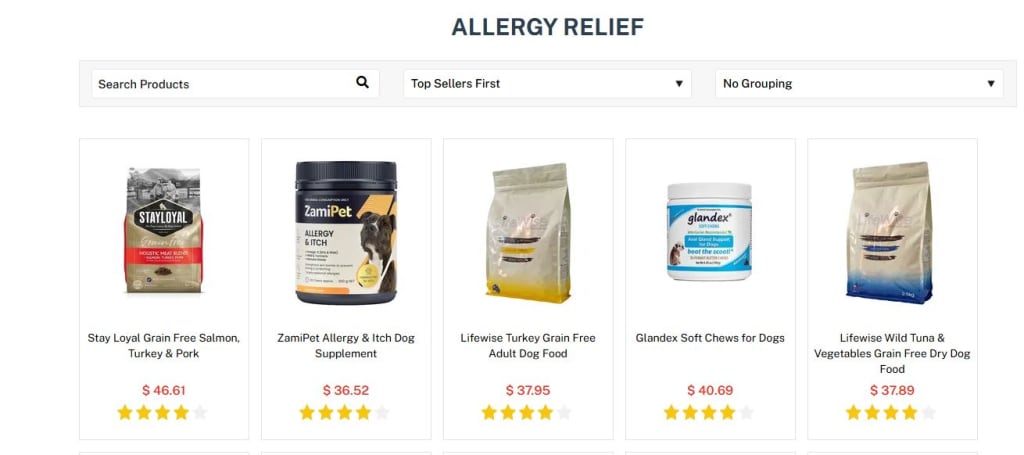
Pet allergies can sneak up out of nowhere. One day your dog’s scratching a little, and the next—bam! Red skin, flaky patches, and a whole lot of discomfort. Whether it’s food, fleas, or the environment, knowing how to bring pet allergy relief is crucial for your fur baby’s comfort. Let’s break down everything you need to know.
Understanding Pet Allergies
What Are Pet Allergies?
Pet allergies happen when your pet's immune system overreacts to a normally harmless substance. That could be a food ingredient, pollen, dust mites—or even fleas.
Common Symptoms of Pet Allergies
Keep an eye out for these telltale signs:
Excessive scratching or licking
Red or inflamed skin
Watery eyes
Ear infections
Hair loss
Sneezing or coughing
Causes Behind Pet Allergies
Pet allergies can stem from:
Environmental triggers (like pollen or mold)
Certain foods (like chicken, beef, or grains)
Flea bites (even just one bite!)
Types of Pet Allergies
Food Allergies
Some pets react badly to specific proteins or grains. Symptoms often show up as skin issues or tummy troubles.
Environmental Allergies
Dust, grass, mold, or even the perfume you wear can cause an allergic reaction in pets.
Flea Allergy Dermatitis
This is a hypersensitive reaction to flea saliva. One bite can trigger days of itching and scratching!
🩺 Diagnosing Pet Allergies
When to See a Vet
If symptoms persist longer than a few days or seem to be getting worse, get your pet to the vet. Better safe than sorry.
Allergy Testing Methods
Your vet may suggest:
Intradermal Skin Testing – where allergens are injected under the skin.
Blood Testing – to measure allergic responses.
Elimination Diets – to pinpoint food allergies.
💊 Pet Allergy Relief Treatments
Here’s where we get into the good stuff—pet allergy relief treatments that actually work.
Antihistamines for Pets
Benadryl is often recommended, but dosage matters! Always check with your vet. Antihistamines work by calming your pet's immune response.
Steroids and Cortisone
Fast-acting and effective, steroids can reduce inflammation and itching quickly. Not ideal for long-term use due to side effects.
Immunotherapy for Pets
Just like allergy shots in humans, immunotherapy builds tolerance over time. It’s great for chronic or seasonal allergies.
Hypoallergenic Diets
Switching to special diets can work wonders, especially if food allergies are the culprit. Look for limited-ingredient or novel protein options.
Flea and Tick Preventatives
Monthly treatments like chewables or topicals can keep fleas—and allergic reactions—at bay.
🌿 Natural Remedies for Pet Allergies
Oatmeal Baths
Soothing and anti-inflammatory. A lukewarm oatmeal bath can calm itchy skin naturally.
Coconut Oil
A spoonful in food or a gentle rub on the skin can help with dryness and inflammation.
Herbal Supplements
Licorice root, quercetin, and nettle leaf can help control allergy symptoms—just be sure to get vet approval first!
🏡 Lifestyle and Home Adjustments
Air Purifiers
They trap allergens like pollen, dander, and dust. Your pet breathes easier, and so do you.
Frequent Bathing & Grooming
Regular grooming removes allergens clinging to fur and skin. Use hypoallergenic shampoos.
Allergen-Free Bedding
Opt for bedding that’s washable and made with anti-allergy materials. Wash weekly in hot water.
🔁 Preventing Future Allergy Flare-Ups
Monitoring Food Ingredients
Read labels. Avoid common allergens like corn, wheat, soy, or certain meats if they’re known triggers.
Regular Vet Visits
Routine check-ups help catch allergies early and monitor ongoing treatment.
Seasonal Allergy Awareness
Just like us, pets suffer more during certain seasons. Keep track and prep with treatments beforehand.
✅ Conclusion
Pet allergies can be frustrating—for both you and your furry friend. But with the right pet allergy relief treatments, a little patience, and some expert guidance, you can get those itchy paws back to tail-wagging comfort. Whether you go the medical route, try natural remedies, or mix both, remember: relief is possible. Your pet doesn’t have to suffer!
❓ FAQs
1. What are the signs my pet has allergies?
Look for symptoms like itching, red skin, sneezing, watery eyes, or digestive issues.
2. Can I give human allergy meds to my pet?
Some, like Benadryl, are safe in vet-approved doses. But always consult your vet first.
3. Are pet allergies curable?
Not always, but they can be managed effectively with proper treatment and lifestyle changes.
4. Do hypoallergenic pet breeds exist?
Yes, some breeds produce fewer allergens—but no breed is completely allergy-proof.
5. How long does allergy treatment take to work?
Some treatments offer quick relief, while others (like immunotherapy) may take weeks or months to show full benefits.
About the Creator
Thomas Muller
VetSupply is a leading online pet store in Australia with a comprehensive range of products that cater to all your pet care needs.
Keep reading
More stories from Thomas Muller and writers in Petlife and other communities.
Do Worming Tablets Cover Heartworm?
Understanding Worming Tablets What Are Worming Tablets? Worming tablets are commonly used medications designed to eliminate internal parasites in pets, especially dogs and cats. These meds typically target intestinal worms, helping to keep your pet healthy, active, and free of worm-related diseases. Order Dog & Cat Worming Tablets!
By Thomas Muller10 months ago in Petlife
Authenticity and Presence: What Animals Can Teach Actors About Emotional Truth
Actors spend years searching for authenticity. Acting schools teach technique, rehearsal methods focus on emotional preparation, and directors guide performers toward believable moments on screen. Yet sometimes the most meaningful lessons about authenticity come from unexpected places.
By Andreas Szakacsa day ago in Petlife
The Gourmet Grumble: Navigating Life with Dog Breeds That Are Picky Eaters
We’ve all seen the commercials: a happy Golden Retriever hears a kibble bag crinkle from three rooms away, skids across the hardwood floor, and inhales a bowl of dry food in approximately four seconds. It’s the universal image of canine appetite.
By MINNIE PEARL’S LIVER LEAVIN’Sa day ago in Petlife


Comments (1)
Pet allergies are no joke. My dog had similar issues. Figuring out if it's food, fleas, or the environment causing them is key. Vets' testing methods really help find the right treatment.