
Manu National Park: A Haven for Incredible Biodiversity
Discover the Rich Flora, Fauna, and Ecosystems of Peru’s Amazon Rainforest

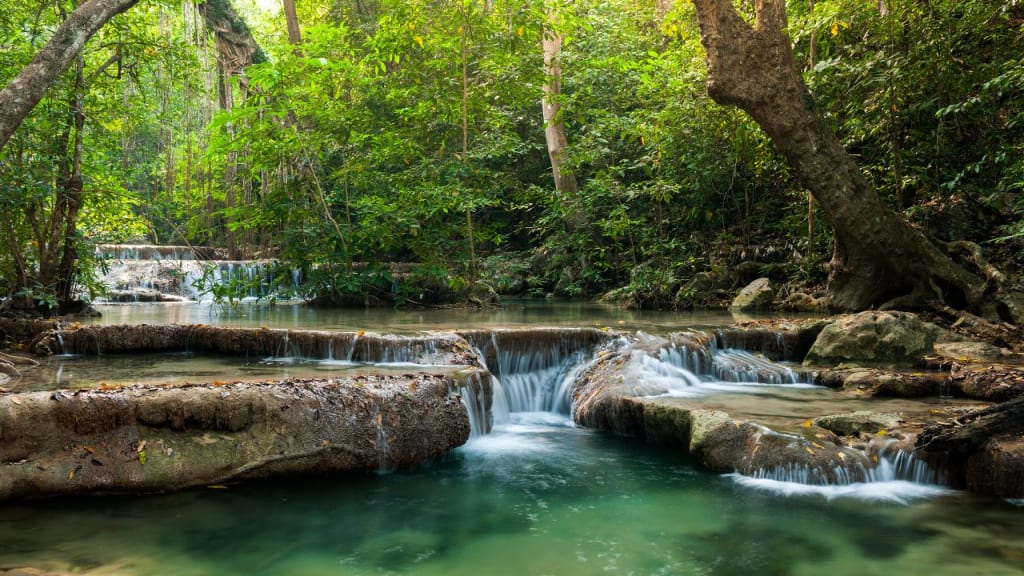
Nestled in the heart of the Amazon rainforest in southeastern Peru, Manu National Park is one of the world’s most biodiverse regions. Spanning over 1.5 million hectares, the park serves as a sanctuary for a staggering variety of plant, animal, and insect species, making it one of the most ecologically significant places on Earth. Whether you’re a biologist, environmental enthusiast, or traveler seeking to witness nature’s wonders, Manu National Park is an unparalleled destination to experience the incredible diversity of life.
A Brief Overview of Manu National Park
Established in 1973 as a national park and later declared a UNESCO World Heritage Site in 1987, Manu National Park covers diverse ecosystems ranging from cloud forests at higher altitudes to lowland rainforests. The park is strategically located in the Amazon Basin, offering a rare opportunity to explore some of the most pristine and untouched environments in the world.
The park is often divided into three main zones: the highland zone, the transitional zone, and the lowland rainforest. These distinct habitats support a wide range of species, from rare orchids and towering trees to elusive jaguars and vibrant birdlife.
Manu National Park's Remarkable Plant Life
The plant life in Manu National Park is as diverse as it is astonishing. Over 15,000 species of plants have been identified within its boundaries, making it one of the richest places on Earth in terms of plant diversity. This staggering number includes many species of trees, shrubs, vines, and epiphytes—plants that grow on other plants without harming them.
Trees: The towering trees that dominate Manu’s rainforests are essential to the park’s ecosystem. Among the most impressive are the Brazil nut tree (Bertholletia excelsa) and the kapok tree (Ceiba pentandra), both of which provide food and shelter for numerous species of wildlife. The park is also home to a variety of medicinal plants that indigenous communities have used for centuries.
Orchids and Bromeliads: A true gem of Manu’s plant life is its extraordinary collection of orchids and bromeliads. With over 3,000 species of orchids alone, the park boasts one of the highest concentrations of these delicate and colorful flowers on the planet. Orchids like the Cattleya and Phalaenopsis can be found hanging from trees or growing on the forest floor, showcasing nature’s intricate beauty.
Medicinal Plants: The indigenous people of the region have long relied on the rich plant diversity for their medicinal needs. Plants like ayahuasca, a sacred plant used in spiritual ceremonies, and guayusa, a caffeine-rich leaf, are integral to the cultures that have lived in harmony with the rainforest for generations. These plants also play an important role in modern scientific research for their potential health benefits.
Animal Diversity in Manu National Park
Manu National Park is a haven for animal life, with over 1,000 species of birds, mammals, amphibians, and reptiles inhabiting the region. The park’s varied ecosystems create a multitude of niches, which allow for the thriving of an incredible array of wildlife.
Mammals: The park is home to some of the most elusive and fascinating mammals in the world. Species like the Jaguar (Panthera onca) and Puma (Puma concolor) prowl the forest floors, while Lowland Tapirs (Tapirus terrestris) and Capybaras (Hydrochoerus hydrochaeris) graze along the rivers. The park also hosts numerous primate species, including the Howler Monkey (Alouatta spp.), the Spider Monkey (Ateles spp.), and the endangered Golden-mantled Tamarin (Saguinus tripartitus), which are a rare sight in many other parts of the world.
Birds: Manu National Park is considered one of the top birdwatching destinations in the world. With over 1,000 bird species recorded, the park offers unparalleled opportunities to observe rare and vibrant birds in their natural habitat. The iconic Harpy Eagle (Harpia harpyja), with its striking appearance and powerful talons, is one of the park’s most sought-after sightings. Other notable birds include the Andean Cock-of-the-rock (Rupicola peruviana), a strikingly colorful bird known for its vibrant orange plumage, and the Scarlet Macaw (Ara macao), whose brilliant red, yellow, and blue feathers brighten the rainforest canopy.
Insects and Other Invertebrates: The insect life in Manu National Park is equally impressive, with thousands of species calling the park home. From the vibrant Blue Morphos (Morpho peleides) butterflies fluttering through the forest to the towering Leafcutter Ants (Atta spp.), which form complex and fascinating colonies, the park is an insect lover’s paradise. Dragonflies, beetles, grasshoppers, and various species of mosquitoes and termites also contribute to the park’s rich diversity.
Amphibians and Reptiles: Manu is also home to a wide variety of amphibians and reptiles. The park’s many water sources and humid environments support species such as the Poison Dart Frog (Dendrobatidae family), the brightly colored Glass Frog (Centrolenidae family), and the elusive Green Anaconda (Eunectes murinus), one of the largest snakes in the world.
The Importance of Manu National Park in Conservation
The biodiversity of Manu National Park is not only significant in terms of the species it supports but also in its role in global conservation efforts. The park acts as a vital reservoir of genetic diversity and plays an essential role in maintaining the health of the Amazon rainforest ecosystem. The region is integral to global climate regulation, carbon storage, and the preservation of vital water cycles.
Human Impact and Threats: Despite its protected status, Manu National Park faces significant threats from illegal logging, mining, and encroachment from agriculture. These activities threaten the integrity of the park's ecosystems and the species that depend on them. The continued protection of the park is crucial not only for preserving its unique biodiversity but also for safeguarding the broader health of the Amazon rainforest, which serves as the lungs of the planet.
Ecotourism: Ecotourism is a growing industry in the region, providing an important source of revenue for conservation initiatives. By visiting Manu National Park, tourists can witness firsthand the beauty of the park’s ecosystems and contribute to the ongoing efforts to protect this unique and irreplaceable area. However, it is essential that tourism is carefully managed to ensure it does not harm the very biodiversity it seeks to promote.
Conclusion: A Living Treasure
Manu National Park is an unparalleled natural treasure, teeming with an astounding diversity of life. From the smallest insects to the largest mammals, the park’s ecosystems are home to an immense variety of species, many of which are found nowhere else on Earth. Its preservation is vital not only for the species that live there but for the health of our planet as a whole. As we continue to explore and understand the incredible biodiversity of Manu, we are reminded of the importance of protecting our natural world for generations to come.
About the Creator
Palotoa Amazon Travel
Palotoa Amazon Travel is a specialized tour operator dedicated to providing unique experiences in the Peruvian Amazon. We offer eco-friendly tours to the remote Manu Reserve in Peru, one of the most biodiverse regions on the planet.
Keep reading
More stories from Palotoa Amazon Travel and writers in Petlife and other communities.
A Comprehensive Guide to Capybara Nutrition and Feeding Habits
Capybaras (Hydrochoerus hydrochaeris) are the world’s biggest rodents, hailing from South America. Known for their social nature and docile demeanor, these semi-aquatic creatures thrive in environments such as wetlands, rivers, and grasslands. Understanding their nutrition and feeding habits is essential for ensuring they maintain optimal health, especially in captivity or when considered as pets. This guide delves into their dietary needs, food preferences, and feeding behaviors.
By Palotoa Amazon Travelabout a year ago in Wander
Authenticity and Presence: What Animals Can Teach Actors About Emotional Truth
Actors spend years searching for authenticity. Acting schools teach technique, rehearsal methods focus on emotional preparation, and directors guide performers toward believable moments on screen. Yet sometimes the most meaningful lessons about authenticity come from unexpected places.
By Andreas Szakacsabout 21 hours ago in Petlife
A System That Isn’t Working Challenge Winners
Systems promise order. They organize behavior, distribute opportunity, and suggest that if everyone follows the rules, things will work. The entries in A System That Isn’t Working look closely at what happens when that promise begins to slip.
By Vocal Curation Team3 days ago in Resources



Comments
There are no comments for this story
Be the first to respond and start the conversation.