
A Comprehensive Guide to Capybara Nutrition and Feeding Habits
Understanding Capybara Diet: A Guide to Proper Nutrition

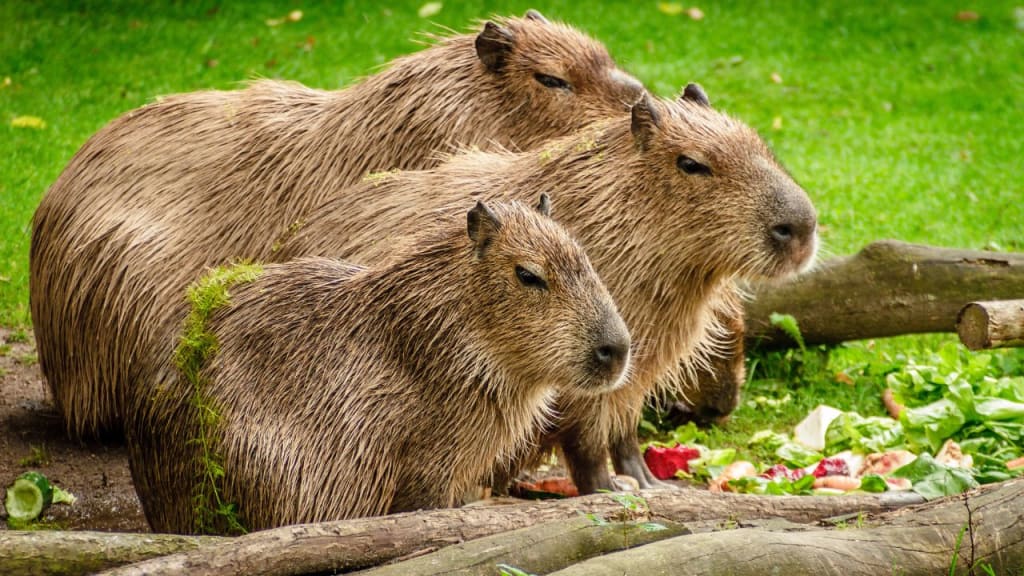
Capybaras (Hydrochoerus hydrochaeris) are the world’s biggest rodents, hailing from South America. Known for their social nature and docile demeanor, these semi-aquatic creatures thrive in environments such as wetlands, rivers, and grasslands. Understanding their nutrition and feeding habits is essential for ensuring they maintain optimal health, especially in captivity or when considered as pets. This guide delves into their dietary needs, food preferences, and feeding behaviors.
1. The Natural Diet of Capybaras
In the wild, capybaras are herbivores with a diet primarily consisting of grasses, aquatic plants, fruits, and tree bark. Their digestive system is adapted to process large quantities of fibrous plant material. This allows them to extract the maximum nutrients from their diet, especially in environments where food can be scarce or seasonal.
Common Wild Food Sources:
- Grasses: A significant portion of their diet, as capybaras graze throughout the day.
- Aquatic Plants: They consume water plants, such as water lilies and grasses growing in rivers or ponds.
- Fruits: Depending on availability, capybaras will also consume fruits like bananas, papayas, and melons.
- Tree Bark and Leaves: These provide additional nutrients and fiber, especially in the dry season.
2. Key Nutritional Components
Capybaras need a balanced diet that includes various nutrients to maintain their health and energy levels. Understanding these components is critical for providing a healthy diet, whether they are in the wild or a controlled environment.
- Fiber
Fiber is crucial for capybaras, helping with digestion and preventing issues like bloating and constipation. In the wild, they obtain fiber from grasses and aquatic plants. In captivity, providing them with high-fiber hay is essential.
- Protein
Capybaras require protein for growth, maintenance, and repair of tissues. While they are herbivores, the protein they consume primarily comes from plant sources like grasses, legumes, and leafy vegetables.
- Vitamins and Minerals
Capybaras need various vitamins and minerals to support their health. These nutrients are naturally found in fruits, vegetables, and certain leafy plants.
3. Feeding Habits and Behavior
Capybaras are social animals and often feed in groups, grazing on the same patches of grass and sharing food. They are crepuscular, meaning they are most active at dawn and dusk, when they do most of their eating. Their feeding behavior is calm and deliberate, with each individual taking time to chew thoroughly. This helps break down the tough plant fibers and aids in digestion.
Grazing Patterns
- Continuous Grazing: Capybaras graze multiple times a day, consuming significant amounts of food at each feeding session.
- Social Feeding: They often feed together in herds, which helps them stay safe from predators while they focus on eating.
- Chewing and Digestion : Capybaras have large, ever-growing teeth that they need to wear down through constant chewing. This is why they consume large quantities of roughage like grasses and hay.
4. Feeding Capybaras in Captivity
If you are keeping capybaras as pets or in a zoo environment, providing a diet that closely mimics their natural food sources is essential. Here’s a breakdown of the best foods for captive capybaras:
1. Grass Hay
Hay should be the mainstay of a capybara’s diet in captivity. High-quality grass hay, such as timothy, meadow, or oat hay, is ideal for providing necessary fiber.
2. Fresh Vegetables
Leafy greens such as lettuce, dandelion leaves, kale, and spinach are good sources of vitamins and minerals. However, they should be offered in moderation as some greens, like spinach, contain oxalates, which could cause kidney issues if consumed in excess.
3. Fruits (In Moderation)
While fruits like apple slices, strawberries, or watermelon are enjoyed by capybaras, they should be given sparingly due to their high sugar content. Fruits are best used as treats rather than staples in their diet.
4. Water
Fresh, clean water is essential. Capybaras are semi-aquatic animals and spend a lot of time in water, but they still need access to fresh water for drinking.
5. Common Mistakes to Avoid
When feeding capybaras in captivity, certain dietary mistakes should be avoided:
- Overfeeding Fruits and Vegetables
Fruits should be a rare treat, as too much sugar can lead to health problems like obesity and digestive issues. Stick to vegetables that are low in sugar and high in fiber.
- Insufficient Fiber
Lack of sufficient fiber in the diet is one of the most common issues in capybara care. Without enough fiber, they may develop digestive problems like bloating or constipation.
- Offering Processed Foods
Capybaras should never be fed processed human foods, sugary snacks, or anything high in salt. These are not only unhealthy but can also be toxic to them.
6. Capybara Diet for Specific Life Stages
Capybaras, like other animals, have different nutritional needs depending on their age and life stage. Here’s a quick guide:
- Babies (Under 6 Months)
Capybara babies, called pups, initially rely on their mother's milk. As they begin to transition to solid food, they will start eating grass and hay. At this stage, it's crucial to provide plenty of high-fiber food to support growth and development.
- Adults
Adult capybaras need a steady supply of high-quality hay, fresh vegetables, and access to clean water. Their diet should remain consistent to maintain their health and prevent obesity.
- Older Capybaras
Senior capybaras may face dental issues or slower metabolism. Their diet may need to be adjusted, offering softer food options while ensuring that fiber intake remains high to aid digestion.
7. Health Implications of a Poor Diet
Feeding capybaras an improper diet can lead to a variety of health issues, including:
- Obesity: Caused by overfeeding sugary fruits and vegetables.
- Dental Issues: Lack of sufficient roughage can cause dental problems, as their teeth continue to grow throughout their life.
- Digestive Problems: A lack of fiber can lead to constipation, bloating, and discomfort.
- Vitamin and Mineral Deficiencies: Insufficient variety in their diet may lead to deficiencies, particularly in calcium and vitamin A.
Conclusion
Capybaras are gentle, social animals with specific dietary needs that must be met to ensure their health and happiness. A Capybaras diet rich in high-fiber grasses, supplemented with fresh vegetables and occasional fruits, will keep them strong and healthy. By understanding their natural feeding habits and offering a well-rounded diet, you can help your capybara thrive, whether in the wild or as a companion animal in your care.
About the Creator
Palotoa Amazon Travel
Palotoa Amazon Travel is a specialized tour operator dedicated to providing unique experiences in the Peruvian Amazon. We offer eco-friendly tours to the remote Manu Reserve in Peru, one of the most biodiverse regions on the planet.
Keep reading
More stories from Palotoa Amazon Travel and writers in Wander and other communities.
Why Smart Travelers Skip Manu National Park Tours in Summer
Manu National Park in Peru is renowned as one of the most biodiverse places on Earth, drawing in adventure seekers, wildlife enthusiasts, and nature lovers from all corners of the globe. This vast and pristine rainforest offers a unique opportunity to immerse yourself in the heart of the Amazon, where diverse ecosystems, rare species, and breathtaking landscapes create an unforgettable experience. However, if you’re planning a trip to this incredible destination, it’s essential to carefully consider the timing of your visit. While Manu National Park remains a thrilling adventure year-round, the summer months—typically spanning December through March—come with particular challenges that may make your journey less enjoyable.
By Palotoa Amazon Travelabout a year ago in Wander
Worth the Wait: Puerto Viejo, Costa Rica
Beach bumming in a small Caribbean beach town sounded like a perfect way to end our 6-month trip through Mexico and Central America. Or so we thought. The foul, fishy stench of rotten seaweed hit our nostrils as we stepped from the cramped bus and looked out at a rather depressing, empty, and underwhelming black sand beach. It was pouring with rain, and we had to quickly fish out our ponchos. We thought, this couldn’t be it, could it?
By Sh*t Happens - Lost Girl Travel9 days ago in Wander
Lost in Translation: How Getting It Wrong in Asia Taught Me How to Travel Right
My first morning in Hanoi started with a sensory assault. I was sitting on a tiny blue plastic stool, knees touching my chin, watching a woman whisk an egg yolk into a cup of robusta coffee. The air smelled of charcoal smoke, cilantro, and exhaust fumes. It was chaotic, loud, and utterly mesmerizing.
By Eleni N. Markou6 days ago in Wander




Comments
There are no comments for this story
Be the first to respond and start the conversation.