
Kansas Officials Reveal What Happened to the Over 100,000 Pounds of Invasive Carp Removed from a Single River
From river cleanup to potential economic opportunity, Kansas tackles the ecological threat of invasive carp

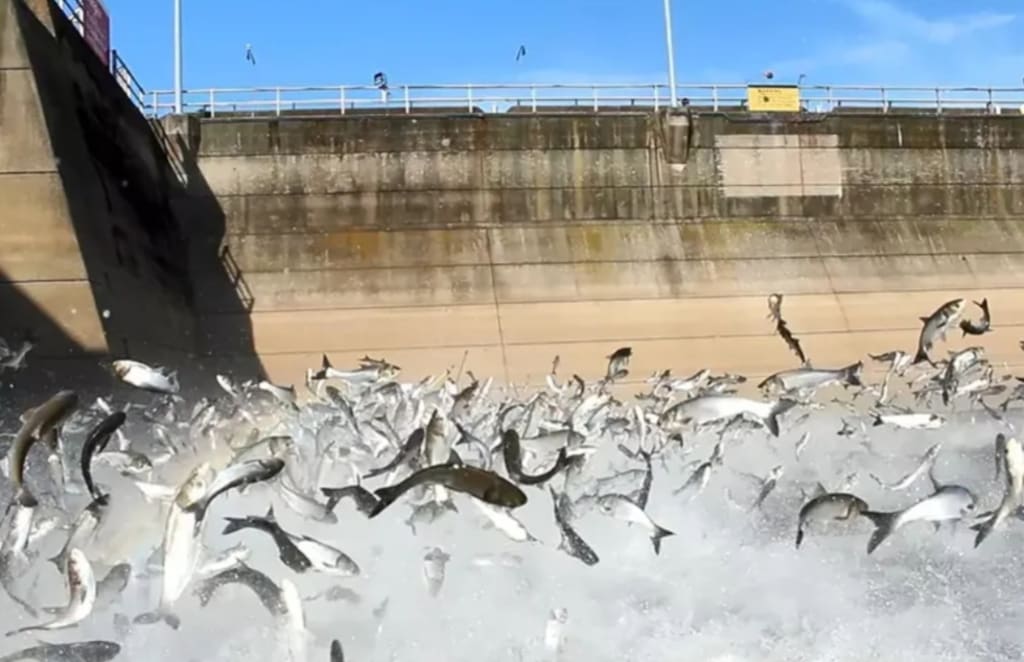
Kansas officials have disclosed the fate of over 100,000 pounds of invasive carp removed from a single river—a massive ecological intervention aimed at restoring balance to local waterways. The silver carp and bighead carp, species notorious for their rapid reproduction and ecosystem disruption, have long posed a threat to the state’s rivers, lakes, and native fish populations. The recent removal effort not only highlights Kansas’ commitment to combating invasive species but also raises questions about sustainability, public safety, and the potential economic uses of the captured fish.
---
The Scope of the Removal Effort
The operation targeted a stretch of the Kansas River, where environmental monitoring indicated a high density of invasive carp. Officials employed a combination of methods including:
Electrofishing: Using controlled electric currents to safely stun fish for collection
Netting and trapping: Targeted nets captured large numbers of adult carp
Coordination with local agencies: Ensuring the removal process minimized impact on native species
The result: more than 100,000 pounds of carp removed in just a few weeks—a record haul in the state’s history. These carp, which reproduce quickly and outcompete native fish for food, had caused declining populations of species like bass, catfish, and crappie, threatening both biodiversity and local fishing industries.
---
Ecological Impact of Carp Removal
Invasive carp are known for their destructive feeding habits, which include uprooting aquatic plants, stirring sediment, and depleting plankton crucial for native fish. By removing such a large biomass, Kansas officials aim to:
Restore native fish populations: Increasing survival rates for young fish and stabilizing ecosystems
Improve water quality: Reducing sediment disturbance and allowing plants to recover
Support recreational fishing: Revitalizing rivers for anglers and boosting local tourism
Experts suggest that such large-scale removal, when repeated over multiple seasons, can significantly curb the ecological dominance of invasive carp, giving native species a chance to rebound.
---
Where Did the Carp Go?
Following removal, the next step was determining the most effective and safe way to handle the massive haul. According to Kansas wildlife officials, the carp were processed in several ways:
1. Commercial Sale and Food Products: Portions of the fish were sold to companies that process carp into fish meal, fertilizer, or pet food. While carp are less popular for direct human consumption in the U.S., they are a protein-rich source for animal feed.
2. Research Purposes: Some carp were provided to universities and research institutions studying invasive species management, aquaculture, and ecosystem restoration.
3. Disposal: Non-viable or low-quality specimens were composted or rendered for fertilizer, ensuring no environmental contamination occurred.
By diverting the carp into economic and research uses, Kansas officials not only prevented waste but also created value from an ecological problem.
---
Economic Opportunities from Invasive Carp
While invasive carp are often seen as a nuisance, their removal opens potential economic opportunities:
Aquaculture Feed: Carp can be converted into fish meal for farmed fish or poultry.
Biofertilizer Production: High-protein content makes carp suitable for organic fertilizers that enhance soil health.
Export Potential: In countries where carp is a culinary delicacy, harvested fish can enter global markets, generating revenue.
Officials are exploring these options to ensure that invasive species control programs are self-sustaining and economically beneficial, reducing the burden on state resources.
---
Challenges in Carp Management
Despite this success, experts warn that removing carp is not a permanent solution. Challenges include:
Rapid reproduction: Even a few surviving carp can repopulate rivers quickly
Migration from connected waterways: Carp can enter rivers from upstream sources, necessitating ongoing monitoring
Public awareness: Anglers and boaters can inadvertently spread carp eggs or juveniles to new locations
Continuous removal, coupled with public education, habitat management, and biosecurity measures, is crucial for long-term control.
---
Community Involvement and Education
Kansas officials emphasized the importance of community participation. Local anglers, volunteers, and environmental groups were encouraged to:
Report sightings of large carp schools
Participate in seasonal removal drives
Avoid transporting live carp between waterways
Educational campaigns highlight the ecological consequences of invasive species and the role citizens play in preserving river health.
---
National Context: Carp as an Invasive Threat
Invasive carp are not unique to Kansas. Across the United States, these fish have caused ecological disruption in rivers and lakes, especially in the Midwest. The Great Lakes region, Mississippi River Basin, and other waterways face similar challenges, making Kansas’ large-scale removal an example for national efforts.
Federal and state agencies are increasingly exploring:
Early detection programs
Biological control methods
Commercial utilization to offset removal costs
Kansas’ approach demonstrates how coordinated action can balance ecological restoration with economic opportunities.
---
Conclusion
The removal of over 100,000 pounds of invasive carp from a single Kansas river represents both a major environmental victory and a model for turning ecological challenges into economic and research benefits. By processing the carp for animal feed, fertilizers, and scientific study, Kansas has maximized the value of its cleanup efforts, while simultaneously protecting native species and restoring river ecosystems.
However, experts caution that ongoing monitoring, public participation, and strategic interventions are essential to prevent reinfestation. The success of this initiative underscores an important lesson: tackling invasive species requires a combination of science, policy, and community engagement, and with innovative strategies, even the most daunting ecological problems can yield practical solutions.
About the Creator
Keep reading
More stories from Salaar Jamali and writers in Petlife and other communities.
IMF Steers Pakistan Toward Stability, Export-Led Expansion
Pakistan’s economy, long challenged by fiscal deficits, inflationary pressures, and external debt obligations, is receiving renewed attention from the International Monetary Fund (IMF) as the country seeks a path to sustainable growth. Recent engagements between Islamabad and the IMF highlight a strategic approach: stabilizing the macroeconomic environment while promoting export-led expansion to strengthen foreign reserves, create jobs, and reduce dependency on external borrowing.
By Salaar Jamaliabout 5 hours ago in The Swamp
The Summer I Was Chosen by a Northern Mockingbird
During the long, suspended days of the pandemic, a wild mockingbird began visiting my driveway and chose me, again and again. What started as a strange encounter became a brief, meaningful connection that I still carry with me.
By Erica Roberts 11 days ago in Petlife
A Love Forboding
The chipped stone slope caused unbearable footing. I slid, skirting on my heels. I cast my shield, relinquishing my guard to stay upright. Left with my double-edge and a prayer to the maker, I skated toward my objective. The earthly stubble gave way to solid ground. I found myself restored, a trail of dust in my wake.
By James U. Rizziabout 16 hours ago in Fiction




Comments
There are no comments for this story
Be the first to respond and start the conversation.