
Bordetella Vaccine For Dogs Finally Gets USDA Approval
New Small Dose Oral Bordetella Vaccine

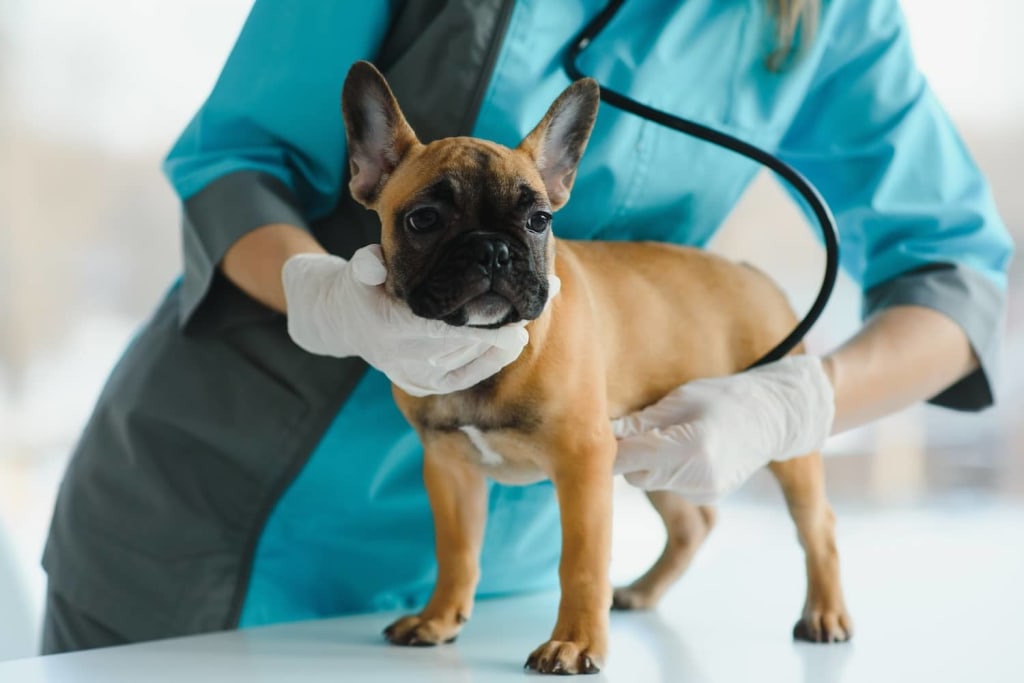
If your dog spends time at the groomer, daycare, boarding kennel, dog park, or even a busy vet clinic, you’ve probably heard about Bordetella, often called kennel cough. It’s a common respiratory infection that can spread fast when dogs share air, water bowls, and close space.
In January 2026, there’s news that may matter for a lot of US dog owners: a new small-dose oral Bordetella vaccine has received USDA approval. It’s called TruCan Ultra B (Oral), and it’s designed to be given by mouth in a smaller volume than some older oral options.
This post explains what that approval signals, what “small-dose” and “oral” actually mean, who the vaccine may help most, and what to ask your vet if boarding plans are coming up.
What the USDA approval actually means for this new oral Bordetella vaccine
In the United States, dog vaccines like Bordetella are regulated by the USDA. When a vaccine gets USDA approval (often called a license), it means the product met standards for purity, safety, potency, and effectiveness based on the data submitted for review.
That matters because it’s not just a marketing claim. A USDA-licensed veterinary vaccine has to show it can be made consistently and used as labeled. If you want to see how USDA tracks licensed products, the USDA APHIS list of licensed veterinary biologics [https://www.aphis.usda.gov/veterinary-biologics/licensed-products] offers helpful context on how these products are organized.
Still, it’s important to keep expectations realistic. USDA approval doesn’t mean:
* No dog will ever cough after vaccination.
* Every cough in a dog is caused by Bordetella.
* One vaccine replaces all other respiratory protection.
Kennel cough is a “group problem,” not a single germ. Bordetella bronchiseptica is a common cause, but viruses can play a role too. Vaccination lowers risk and can reduce severity, but it can’t promise a cough-free life.
This approval happened in January 2026, and clinics usually roll out newly approved products over weeks to months. Some practices will bring it in quickly, others will wait until their next vaccine order cycle, and some may stick with what they already use until they’ve seen more day-to-day experience.
Why Bordetella Vaccine protection is a big deal in busy dog settings
Bordetella spreads the way colds spread in schools. When dogs are close together, one cough can put droplets into the air. Shared spaces also matter because germs can linger on surfaces like kennel doors, leashes, and water bowls.
That’s why boarding facilities and daycares often require Bordetella vaccination. They’re trying to lower the odds of a respiratory outbreak that can ripple through dozens of dogs in a week.
One more key point: a “kennel cough” sound is a symptom, not a diagnosis. Dogs can cough from irritation, allergies, viruses, bacteria, or a mix. Bordetella vaccination targets one major piece of the puzzle, not every possible cause.
Meet the small-dose oral option, how it works, and what makes it different
The newly approved product is TruCan Ultra B (Oral), a live oral vaccine for dogs targeting Bordetella bronchiseptica. “Oral” means it’s given by mouth rather than injected or sprayed into the nose.
The “small-dose” part is simple and practical. The dose is 0.5 mL, which is half a milliliter. In plain terms, it’s a smaller amount of liquid than some earlier oral Bordetella vaccines. Less volume can make administration easier for the veterinary team and more comfortable for many dogs, especially dogs that fuss when something sits in their mouth.
This vaccine is also designed with purification in mind. The manufacturer describes a process meant to reduce extra proteins and other materials, with the goal of improving comfort and lowering unwanted reactions. That doesn’t mean reactions can’t happen, but it shows the product was built with the in-clinic experience in mind.
In controlled testing, results reported included a 93% preventable fraction against Bordetella-associated cough in a lab challenge model. That’s a strong signal the vaccine can reduce cough due to Bordetella under the conditions tested. Real life is messier than a study setting, so it’s best to think of that number as “promising,” not “perfect.”
How an oral vaccine trains the immune system without a needle
Think of the immune system like a fire drill. The goal isn’t to start a real fire, it’s to practice what to do if one happens.
With an oral Bordetella vaccine, the body gets exposed in a controlled way so it can learn to recognize the germ. Because kennel cough often starts in the upper airway, oral and nasal vaccines are designed to help the immune system respond where the problem tends to begin, in the mouth, throat, and nearby tissues.
This vaccine is a live vaccine, which is common for mucosal (mouth and nose) Bordetella options. Live vaccines aren’t the right fit for every dog. Your vet will consider age, overall health, and any meds that affect the immune system before recommending it.
Dose and giving it, what “0.5 mL in the cheek pouch” looks like
If you picture a pill forced down a throat, don’t. Oral Bordetella vaccines are usually given more gently than that.
For this product, the dose is one 0.5 mL amount placed into the dog’s cheek pouch. The goal is contact with the mouth area, not a hard swallow. It’s quick, needle-free, and often easier on dogs that hate injections.
Bordetella schedules vary by lifestyle and facility rules. Many dogs get boosters about once a year, but some boarding or daycare policies ask for more frequent updates, especially for dogs that attend often. Timing also matters. Some places require the Bordetella vaccine to be given a set number of days before check-in, so don’t wait until the night before a trip.
Benefits, safety, and who may be a great fit for a small-dose oral Bordetella vaccine
For many owners, the biggest benefit is obvious: no needle. For some dogs, that alone can turn a stressful appointment into a calmer one. If your dog trembles at the sight of a syringe, an oral option can feel like taking the “short ramp” instead of the steep stairs.
A smaller oral dose can help, too. Less liquid may mean less gagging, less drooling, and less wrestling, especially for small dogs or dogs that get tense when their mouth is handled.
Safety matters just as much as convenience. In field safety evaluation described with client-owned dogs, the vaccine was used across a wide age range (from 4 weeks to 15 years). That doesn’t mean every dog should get it, but it supports the idea that many types of dogs tolerated it well in the data used for review.
Effectiveness is where it’s smart to stay grounded. The reported 93% preventable fraction against cough in challenge testing is encouraging. But a dog can still pick up other respiratory bugs, and even Bordetella itself has real-world variables like exposure level and the dog’s health.
Which dogs might benefit most, and who should talk to a vet first
This type of vaccine may be a strong fit for:
* Puppies starting training classes or daycare, once your vet says they’re ready.
* Dogs that board often or visit the groomer on a tight schedule.
* Dogs that struggle with intranasal vaccines.
* Dogs that panic with needles and do better with quick mouth dosing.
* Seniors who benefit from low-stress handling.
Some dogs should have a more careful vet conversation before getting a live vaccine. That includes dogs with known immune system problems, dogs on immune-suppressing meds, and dogs that are currently sick or running a fever. In those cases, your vet may delay vaccination or recommend a different route.
Common questions owners ask: side effects, timing, and day-to-day precautions
Most owners want the practical stuff. What should you watch for, and what should you do next?
After Bordetella vaccination, mild signs can happen, like temporary tiredness or mild coughing or sneezing. If your dog has trouble breathing, facial swelling, repeated vomiting, or seems suddenly very unwell, treat that like an urgent problem and call a vet right away.
Ask your clinic when protection is expected to start for the product they use. Also ask how many days before boarding you should vaccinate, since facility rules don’t always match a dog’s immune response timeline.
Even with vaccination, smart hygiene still helps. Good ventilation, clean water bowls, and avoiding obviously sick dogs lower risk in ways no vaccine can fully replace.
When it will be available and what to ask your vet before you book boarding
Because USDA approval arrived in January 2026, this vaccine is expected to show up in many veterinary clinics in Q1 2026 (January through March). Availability can vary by region and by clinic ordering habits, so the simplest move is to call and ask what they’re carrying now.
Before you book daycare or boarding, keep your questions focused and specific:
* Which Bordetella vaccine route do you recommend for my dog (oral, intranasal, or injectable), and why?
* How far in advance should my dog get Bordetella for this facility’s rules?
* Does my dog also need other respiratory vaccines based on risk and local trends?
* How often should my dog be boosted for their lifestyle?
If your dog has a big grooming week, a training weekend, and a boarding stay all packed together, planning early can save you from last-minute stress and missed reservations.
Conclusion
A USDA-approved small-dose oral Bordetella vaccine is now on the map as of January 2026. TruCan Ultra B (Oral) uses a 0.5 mL dose given in the cheek pouch, aiming for easier handling and a calmer clinic visit. Testing shared for approval showed encouraging protection against Bordetella-associated cough, and safety evaluation included dogs from young puppies to seniors. If your dog is due for boarding or daycare soon, call your vet and ask whether this oral Bordetella option fits your dog’s age, health, and schedule.
About the Creator
VORNews
VOR News Independent news media proudly known as the Voice of the Republic, emerged with a clear mission: to deliver unfiltered, principled journalism that champions truth, integrity, and the values that define a free society.
Cleo's First Puppy Show
"How would you feel about doing the Corsicana show in November?" Kathleen asked me last September. Dog exhibitors speak in shorthand that way. It's easier to say "the Corsicana show" than it is to say the "North East Texas American Eskimo Dog Association Show." And yes, "North East." I guess "Northeast" shortened the name too much for some people's taste . . . But I digress. In response, I asked two of the three important questions that every exhibitor thinks, first thing.
By Kimberly J Egan26 days ago in Petlife
The Frogs of the Well
Once upon a time, during an unusually hot summer with no rain, ponds and lakes began to dry up. The fish in the lakes struggled helplessly and many began to die. The herons, seeking water, started heading toward the river where countless fish lived. One heron caught a plump, fresh fish in its beak and flew off, planning to perch on a tree and enjoy its meal. However, the fish was strong and flapped vigorously, freeing itself from the heron’s beak and falling downward.
By Sudais Zakwan5 days ago in Petlife



Comments
There are no comments for this story
Be the first to respond and start the conversation.