
Is Your Cat Acting Strange? Exploring Unusual Behaviors in Feline Friends
Understanding the Reasons Behind Unusual Cat Behaviors

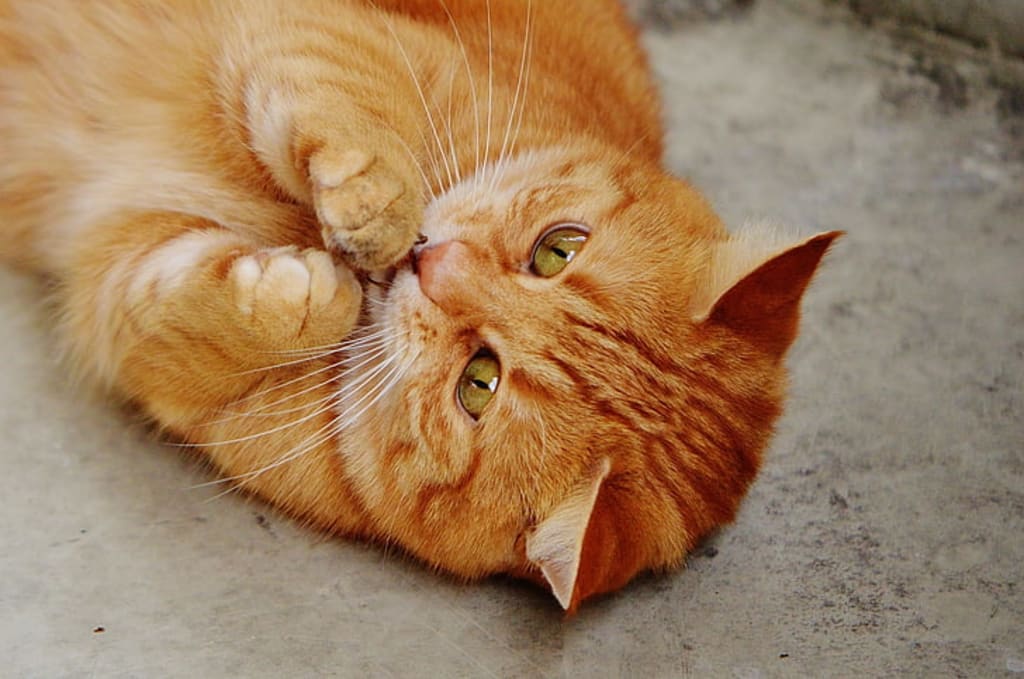
Cats are known for their unique personalities and unpredictable behaviors. While some of their quirks can be amusing, others can be concerning for pet owners. In this article, we will explore some of the most unusual behaviors exhibited by cats and their possible causes.
Wool Sucking
Wool sucking is a behavior where a cat sucks or chews on fabrics, wool, or other materials. This behavior is often seen in kittens who have been weaned too early from their mother's milk. However, it can also occur in adult cats due to stress or anxiety. In some cases, cats may ingest the material they are sucking on, which can lead to intestinal blockages and other health problems.
Walking in Circles
Cats may walk in circles for various reasons, including disorientation, neurological problems, or ear infections. Disorientation may occur in older cats who are experiencing cognitive decline, while neurological issues can arise due to trauma, infection, or genetic factors. Ear infections can cause imbalance and disorientation, leading to circling behavior.
Hissing or Growling at Inanimate Objects
Cats may hiss or growl at inanimate objects, such as a wall or piece of furniture. This behavior could be due to anxiety or frustration, or it could be a form of play. Some cats may also hiss or growl when they feel threatened or territorial.
Pica
Pica is a behavior where cats eat non-food items, such as plants, plastic bags, or paper. This behavior can be caused by nutritional deficiencies or boredom. Some cats may also ingest foreign objects due to anxiety or compulsive behavior.
Kneading
Kneading is a behavior where cats push in and out with their paws against a soft surface, such as a blanket or a lap. This behavior is thought to be a remnant of kittenhood, where they kneaded their mother's stomach to stimulate milk production. Some cats may also knead when they feel relaxed or content.
If you notice any of these unusual behaviors in your cat, it's essential to speak with your veterinarian. While some of these behaviors may be harmless, they can also be symptoms of underlying medical conditions. Your veterinarian can perform a physical exam and run diagnostic tests to determine the cause of your cat's behavior.
In addition to medical issues, environmental factors can also contribute to unusual cat behaviors. For example, if your cat is exhibiting signs of stress or anxiety, you may need to make changes to their living environment to make them feel more secure. This may include providing more hiding places, using calming pheromone sprays, or setting up a regular playtime routine.
Cats are creatures of habit, and changes to their routine or environment can also cause stress and anxiety. If you need to make changes to your cat's environment, such as moving to a new home or introducing a new family member or pet, it's essential to do so gradually. This can help your cat adjust more easily and avoid behavioral problems.
In conclusion, cats are fascinating animals with unique personalities and behaviors. While some of these behaviors may be harmless, others can be concerning for pet owners. If you notice any unusual behavior in your cat, it's essential to speak with your veterinarian to determine the cause and develop a treatment plan. By working together with your veterinarian and providing a stable and secure environment, you can help your cat live a happy and healthy life.
Thank you for taking the time to read this article about unusual behaviors in cats. I hope you found it informative and helpful in understanding your furry friend's quirky habits. If you enjoyed this article, I would greatly appreciate it if you could take a moment to give it a like and subscribe for more content like this:)
About the Creator
The Pet Post
The Pet Post, your go-to source for all things pets and animals! With the goal of sharing knowledge and stories about our furry (and not-so-furry) friends.
Keep reading
More stories from The Pet Post and writers in Petlife and other communities.
Why Owning a Pet Is Good for Your Mental Health
Pets have long been known to provide companionship and comfort to their owners. From dogs and cats to birds and even fish, pets come in all shapes and sizes and can have a positive impact on our lives. One area where pets have been shown to have a particularly strong effect is mental health. In this article, we will explore the many ways that pets can benefit our mental health and well-being.
By The Pet Post3 years ago in Petlife
A Dart at Dusk
Seconds ago, the sullen sun set on the two of us… my exuberant furry companion and me. A fresh breeze embraces us, delivering welcome relief from the day’s oppressive heat. His typical stumbling and staggering along — apace with a sloth — has turned into trip-trapping, high-stepping, almost skipping along.
By Angie the Archivist 📚🪶5 days ago in Petlife
Silver Screen Magic with Mae West
American actress and singer Mae West became a popular film actress during the Great Depression. She started entertaining in vaudeville, then performed on Broadway, and finally went to Hollywood. She signed up with Paramount Pictures and made her debut in the 1932 film “Night After Night.” She also starred in musicals, comedies, and crime dramas. The American Film Institute named her one of the best classic Hollywood actresses.
By Rasma Raisters6 days ago in Geeks




Comments
There are no comments for this story
Be the first to respond and start the conversation.