
Is Dry Dog Food Best for Dogs?
Read to know - Is Dry Dog Food Best for Dogs?
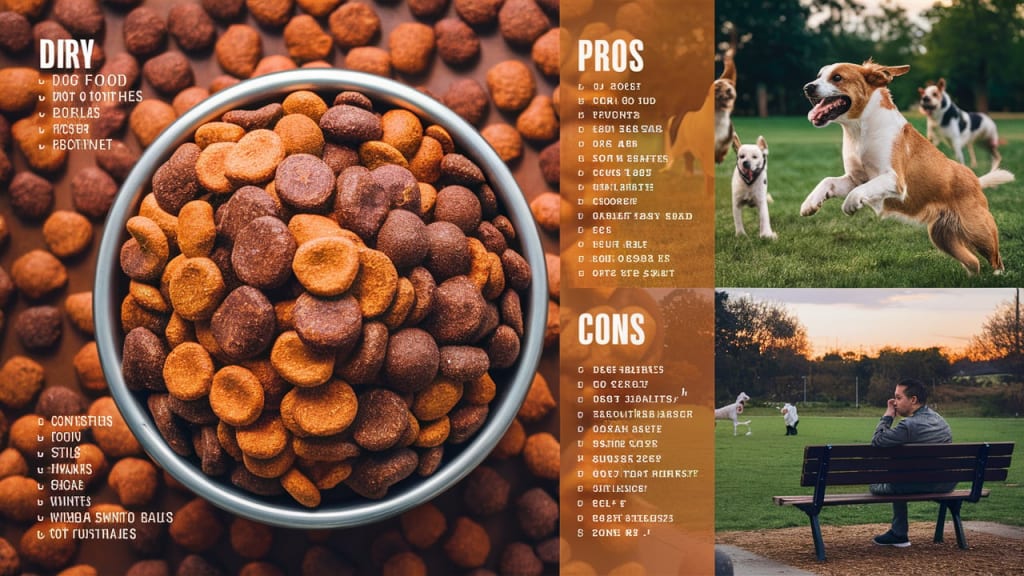
Choosing the right food for your dog can be a daunting task. With so many options available, it's crucial to understand the benefits and drawbacks of each type. Dry dog food, commonly known as kibble, is a popular choice among pet owners. But is it truly the best option for your furry friend? Let’s dive into the details and explore the pros and cons of dry dog food.
What is Dry Dog Food?
Definition and Types
Dry dog food is made by combining various ingredients such as meat, grains, and vegetables, which are then cooked and formed into small, dry pieces. There are several types of dog dry food, including grain-free, high-protein, and those designed for specific health needs.
Common Ingredients
Typical ingredients include meat by-products, grains, vegetables, vitamins, and minerals. High-quality options may also include whole meats and grains, ensuring a more nutritious diet for your dog.
Nutritional Value of Dry Dog Food
Essential Nutrients
Dry dog food provides essential nutrients such as protein, fat, carbohydrates, vitamins, and minerals. These nutrients are crucial for maintaining your dog’s overall health and energy levels.
Benefits for Dogs
When formulated correctly, dry dog food can meet all of your dog's dietary needs, promoting healthy skin, a shiny coat, and strong teeth and bones.
Advantages of Dry Dog Food
Convenience and Storage
Dry food is easy to store and has a long shelf life. It doesn't require refrigeration, making it a convenient option for busy pet owners.
Cost-Effectiveness
Generally, dry food is more affordable compared to wet food, providing a cost-effective solution for feeding your dog.
Dental Health Benefits
The crunchy texture of kibble can help reduce plaque and tartar buildup, contributing to better dental health.
Long Shelf Life
Dry food remains fresh for a longer period, reducing waste and ensuring you always have food available for your pet.
Disadvantages of Dry Dog Food
Potential for Lower Moisture Content
Dry food contains less moisture than wet food, which might not be suitable for dogs that need extra hydration.
Ingredient Quality Concerns
Not all dry dog foods are created equal. Some may contain fillers, artificial preservatives, and low-quality ingredients.
Possible Preservatives and Additives
Certain dry foods include preservatives and additives that might not be ideal for all dogs, especially those with sensitivities or allergies.
Comparing Dry Food to Wet Food
Nutritional Differences
Wet food typically contains higher moisture content and may offer more palatable options for picky eaters. However, both types can provide complete nutrition if chosen carefully.
Cost Comparison
While dry food is generally cheaper, wet food can sometimes provide better value for specific dietary needs.
Impact on Dental Health
While dry food helps in maintaining dental health due to its texture, wet food might not offer the same benefits.
Taste and Texture Preferences of Dogs
Dogs may have individual preferences. Some might prefer the taste and texture of wet food over dry food.
How to Choose the Best Dry Food for Your Dog
Reading Labels and Ingredient Lists
Look for foods with high-quality ingredients and avoid those with fillers and artificial additives.
Identifying High-Quality Brands
Research and choose brands known for their quality and transparency in ingredient sourcing.
Considering Your Dog’s Age, Breed, and Health Conditions
Select a food that suits your dog’s specific needs based on their age, breed, and any health conditions they may have.
Common Myths About Dry Dog Food
Dry Food Causes Dehydration
While dry food has lower moisture content, it doesn’t necessarily cause dehydration if your dog has access to fresh water.
All Dry Foods Are the Same
There’s a significant variation in the quality of dry dog foods. It’s essential to choose wisely.
Dry Food is Better for Dental Health
While dry food can help, it’s not a substitute for regular dental care.
Feeding Guidelines for Dry Dog Food
Portion Control
Follow the feeding guidelines on the packaging, but also consider your dog’s activity level and metabolism.
Frequency of Feeding
Most dogs do well with two meals per day, but consult your vet for personalized advice.
Mixing Dry and Wet Food
Combining dry and wet food can offer a balanced diet and increase palatability for picky eaters.
Transitioning Your Dog to Dry Food
Gradual Introduction
Introduce new food gradually to avoid digestive upset.
Monitoring Your Dog's Response
Keep an eye on your dog’s reaction to the new food, including any signs of allergies or digestive issues.
Adjusting Portion Sizes
Adjust portion sizes as needed to maintain a healthy weight.
DIY Dry Dog Food: Is It Worth It?
Benefits and Challenges
Making your own dry dog food can ensure quality ingredients, but it requires time and knowledge.
Basic Recipe Ideas
Include high-quality proteins, whole grains, and vegetables in your homemade recipes.
Nutritional Considerations
Ensure the homemade food meets all of your dog’s nutritional needs.
Special Considerations for Puppies and Senior Dogs
Nutritional Needs of Puppies
Puppies require more protein and calories to support their growth.
Nutritional Needs of Senior Dogs
Older dogs may need fewer calories but more fiber and joint-supporting nutrients.
Best Dry Food Options for Different Life Stages
Choose foods formulated specifically for puppies or senior dogs to meet their unique nutritional needs.
Conclusion
When it comes to feeding your dog, dry food can be a great option. It’s convenient, cost-effective, and can provide complete nutrition. However, it's important to choose high-quality products and consider your dog’s individual needs. Ultimately, whether dry food is the best choice depends on your dog's preferences and health requirements.
FAQs
How much dry food should I feed my dog?
Follow the feeding guidelines on the packaging and consult your vet for personalized advice.
Can dry food cause health problems in dogs?
Low-quality dry food can lead to health issues, so it’s crucial to choose a reputable brand.
Is it okay to mix dry and wet food?
Yes, mixing can provide a balanced diet and increase palatability.
How do I store dry dog food to keep it fresh?
Store in a cool, dry place in an airtight container.
What should I do if my dog doesn’t like dry food?
Try mixing it with wet food or consult your vet for alternative options.
About the Creator
Reader insights
Nice work
Very well written. Keep up the good work!
Top insight
Excellent storytelling
Original narrative & well developed characters
Keep reading
More stories from Pawsand paws and writers in Petlife and other communities.
What is Griptol N syrup used for in dogs
Caring for our furry friends involves ensuring they receive the right medications when they are unwell. One such medication that veterinarians may prescribe is Griptol-N syrup. This article delves into what Griptol-N syrup is, its uses for dogs, benefits, potential side effects, and how it should be administered.
By Pawsand pawsabout a year ago in Petlife
A Dart at Dusk
Seconds ago, the sullen sun set on the two of us… my exuberant furry companion and me. A fresh breeze embraces us, delivering welcome relief from the day’s oppressive heat. His typical stumbling and staggering along — apace with a sloth — has turned into trip-trapping, high-stepping, almost skipping along.
By Angie the Archivist 📚🪶4 days ago in Petlife
Japan Pet Food Market Size and Forecast, 2026–2034
Market Snapshot The Japan Pet Food Market is projected to expand significantly, growing from US$ 6.72 billion in 2025 to US$ 14.68 billion by 2034, registering a robust CAGR of 9.07% during the period 2026–2034. This growth is being driven by rising pet ownership, increasing pet humanization, strong demand for premium and functional nutrition, and growing awareness around pet health, aging, and preventive care.
By Aaina Oberoi3 days ago in Petlife


Comments (1)
Thanks for the well detailed analysi