
How to stop a dog from chewing wood furniture
Is your dog turning your furniture into their favorite chew toy? Don’t worry—you’re not alone! Dogs chew for many reasons, from teething to boredom, but wood chewing can be dangerous. Learn why your furry friend finds wood so tempting and discover practical, stress-free solutions to protect your home and keep your pup happy, healthy, and entertained. Save your furniture and strengthen your bond today!

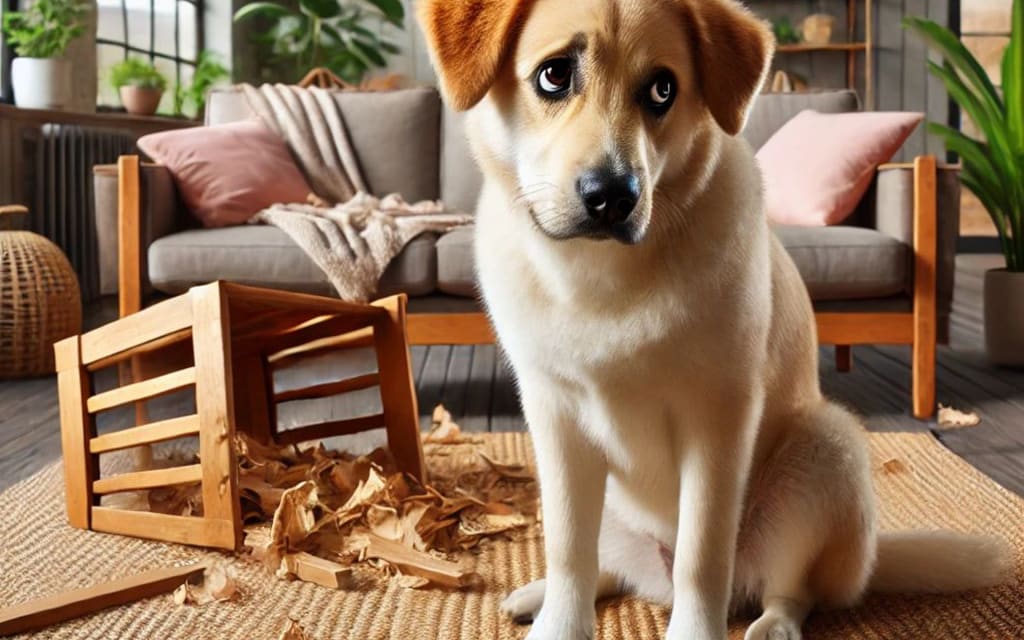
Dogs are amazing companions—they love you unconditionally, bring endless joy, and are always up for an adventure. But if your furry friend has developed a taste for wooden furniture, door frames, or even the legs of your dining table, it can quickly become a frustrating (and expensive) problem. Don’t worry, though. With a little understanding, training, and the right tools, you can address this behavior and restore harmony to your home
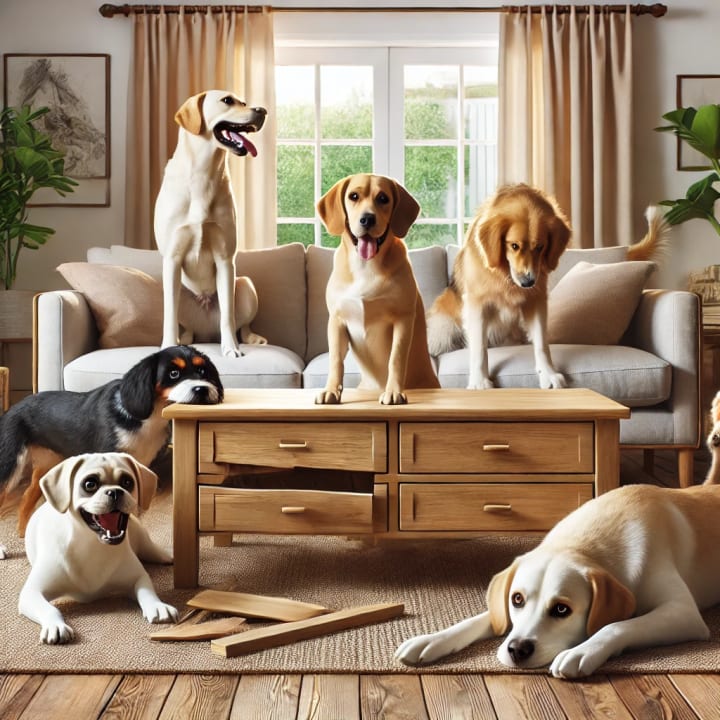
Let’s explore why dogs chew on wood, the risks involved, and most importantly, how to stop this destructive habit while keeping your dog happy and healthy.
Why Do Dogs Chew on Wood?
Chewing is as natural for dogs as barking or wagging their tails. Puppies, especially, chew to soothe the pain of teething and to explore their world. For them, every object is fair game, from sticks in the yard to the nearest piece of furniture. Unfortunately, this habit doesn’t always disappear with age. Some dogs carry their wood-chewing tendencies into adulthood.
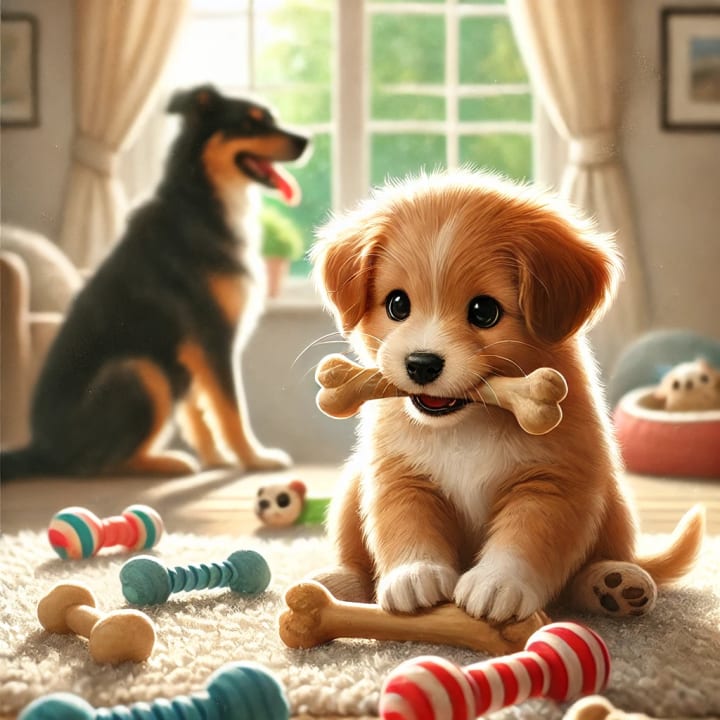
Wood is particularly appealing because it’s everywhere, easy to grab, and feels satisfying to gnaw on. But the reasons for chewing vary from dog to dog. Here are the most common motivations:
- Teething: Puppies chew to relieve the discomfort of new teeth breaking through their gums.

- Exploration: Dogs use their mouths to explore textures and objects.
- Stress Relief: Chewing releases endorphins, helping dogs cope with anxiety or boredom.
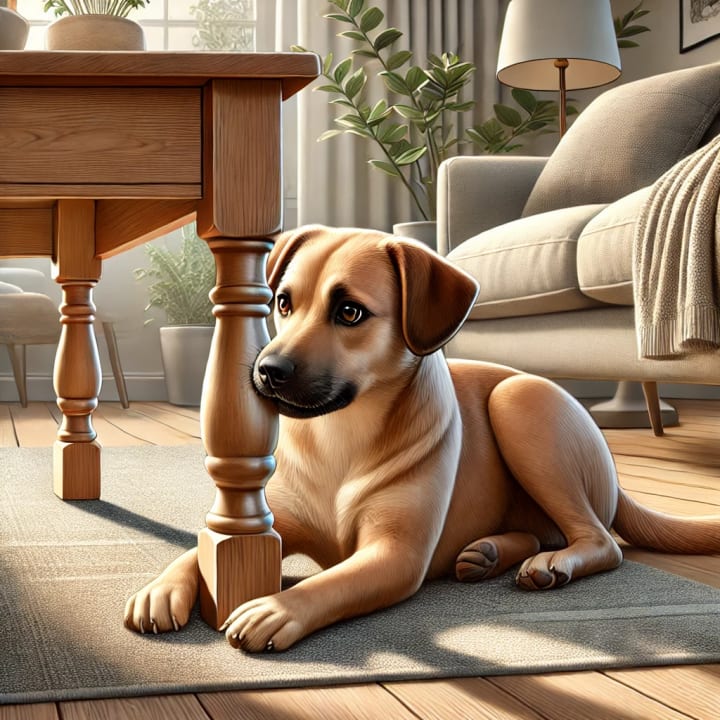
- Boredom: A lack of stimulation can lead dogs to destructive behaviors like chewing.
While it’s normal for dogs to chew, wood presents a unique danger. Splinters can injure their gums, mouths, or throats, and swallowing larger chunks can lead to choking or intestinal blockages. For your dog’s safety and your sanity, it’s essential to address this habit early.
Is Chewing on Wood a Sign of Stress or Anxiety?
Not every dog chews wood because they enjoy it. In many cases, destructive chewing is a sign of deeper emotional or behavioral issues. Stress, separation anxiety, and boredom are common triggers.

Imagine being left home alone with no understanding of when your favorite human will return. Dogs are social animals, and many struggle with long periods of solitude. Chewing, especially on wood, is one way they release pent-up tension or frustration.
Why Does Your Dog Find Wood So Satisfying?
Wood is a fascinating material for dogs—it’s firm yet splinters easily, making it both challenging and rewarding to chew. The texture satisfies their natural gnawing instincts, and the act of chewing helps them relax. But as satisfying as it might be for them, it’s equally dangerous.
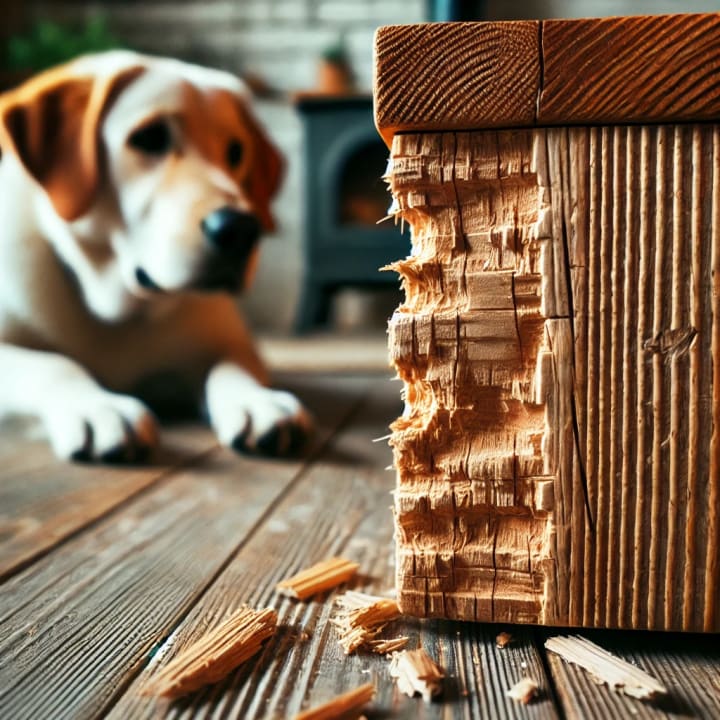
Splinters from wood can lodge in your dog’s gums, causing pain or infection. Ingested splinters may lead to severe digestive issues, while large chunks pose a choking hazard. Your mission as a responsible dog owner is to redirect this behavior toward safer alternatives.
How to Stop a Dog From Chewing on Wood
Breaking the wood-chewing habit requires a multi-faceted approach. Prevention, redirection, and positive reinforcement are key. Here’s a comprehensive plan to help your dog move past their wood obsession.
1. Provide Plenty of Chew Toys

Dogs chew because they need to satisfy a natural urge. Make sure your dog has a variety of safe chew toys designed for heavy chewers. Durable rubber toys, puzzle toys, and treats like bully sticks can be lifesavers. Avoid small toys or real bones that could splinter or pose a choking hazard.
2. Exercise Your Dog
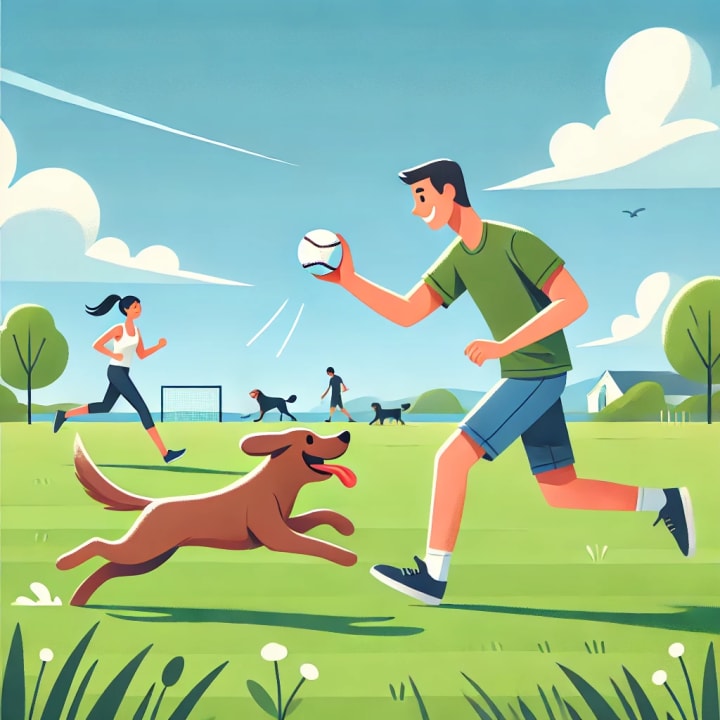
A tired dog is less likely to engage in destructive behaviors. Regular exercise is one of the best ways to reduce boredom and anxiety. Whether it’s a brisk walk, a game of fetch, or some agility training, physical activity will help your dog burn off energy and focus on more positive activities.
3. Use Taste Deterrents
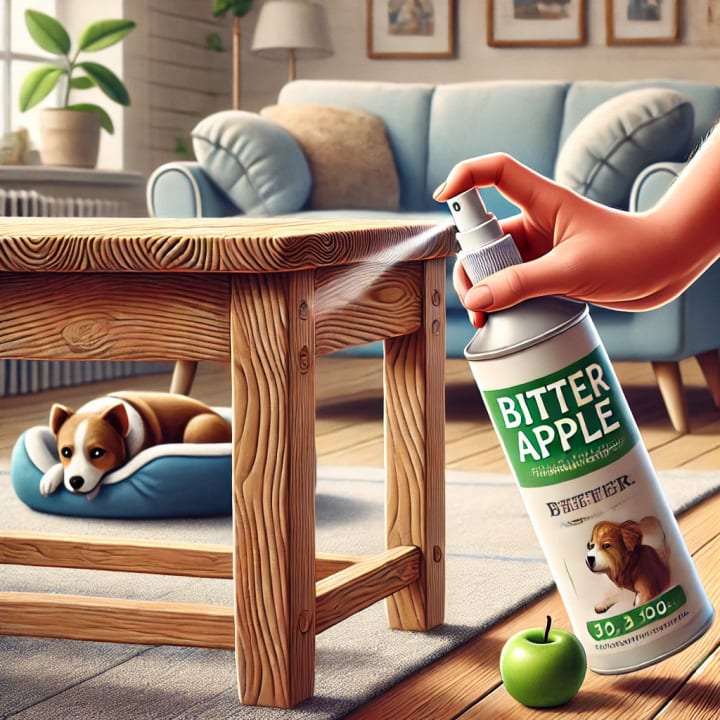
Sometimes, making wood less appealing can work wonders. Sprays like bitter apple or homemade solutions with vinegar can deter chewing. Apply these to furniture legs, door frames, or other problem areas. Most dogs dislike the bitter taste and will quickly lose interest.
4. Redirect With Safe Chews

Bully sticks are an excellent option for redirecting your dog’s chewing instincts. Made from natural beef, they’re packed with protein and help clean your dog’s teeth as they chew. The act of gnawing on a bully stick provides the same satisfaction as chewing on wood but without the risks.
5. Keep Wood Out of Reach
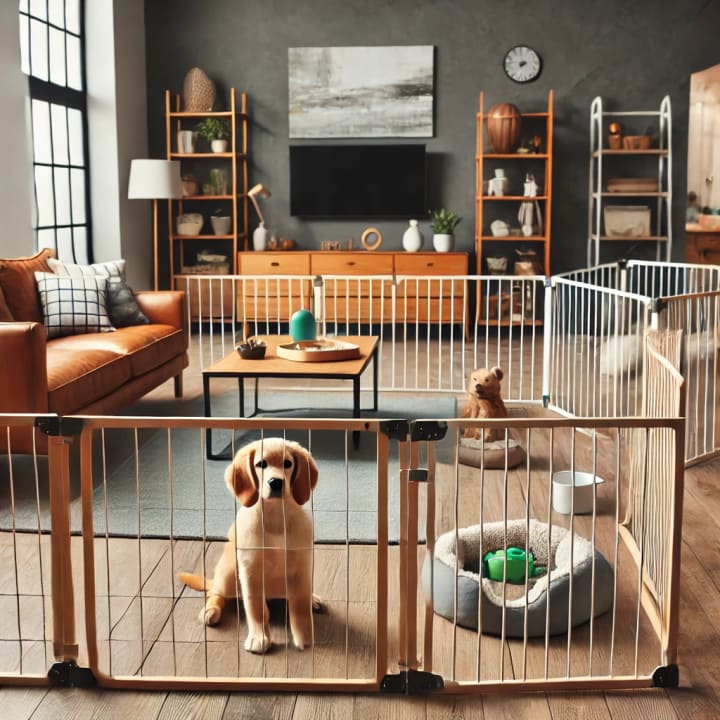
Prevention is half the battle. Remove sticks, twigs, or other wooden temptations from your yard. Indoors, use barriers to block access to wooden furniture or confine your dog to a safe space when unsupervised. Crate training can be an effective way to keep your dog secure and prevent accidents when you’re not home.
6. Provide Mental Stimulation
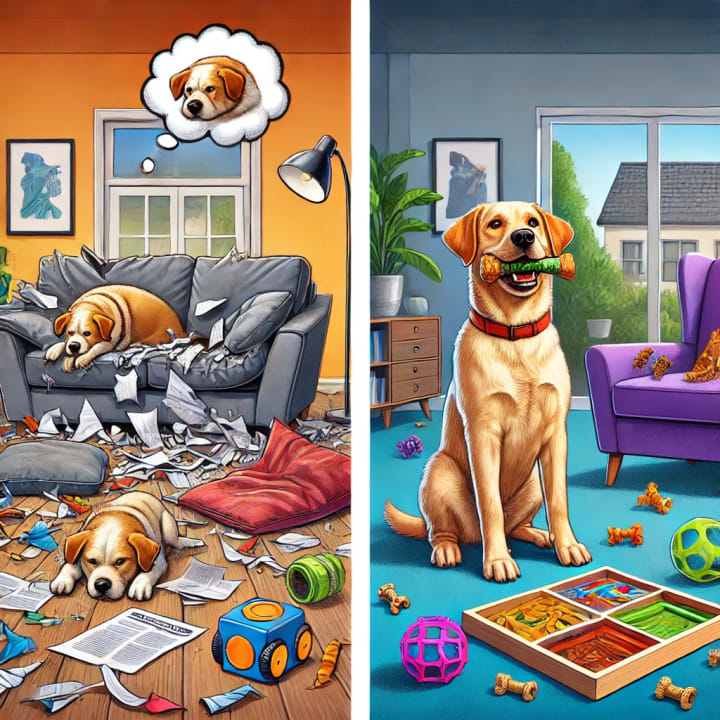
A bored dog is a destructive dog. Puzzle toys, treat-dispensing games, and training sessions can keep your dog’s mind engaged. Mental stimulation is just as important as physical exercise in preventing unwanted behaviors.
Training Tips - Positive Reinforcement Is the Key
Training is essential for long-term success. Negative reinforcement—like yelling or punishing your dog—can worsen anxiety and lead to more destructive behavior. Instead, focus on positive reinforcement:
- Interrupt and Redirect: If you catch your dog chewing wood, calmly redirect them to an appropriate toy or chew.
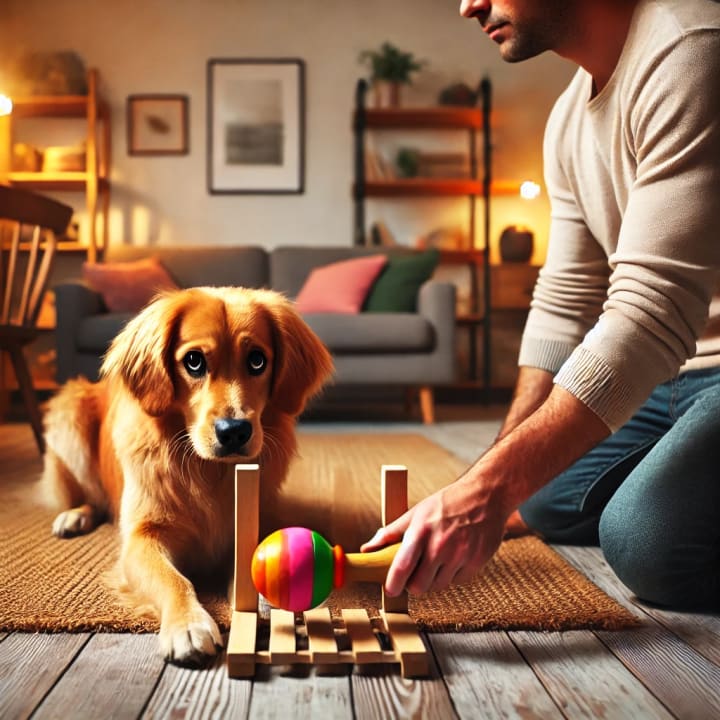
- Reward Good Behavior: When your dog chews the right things, offer plenty of praise, treats, or playtime. Consistency is key!
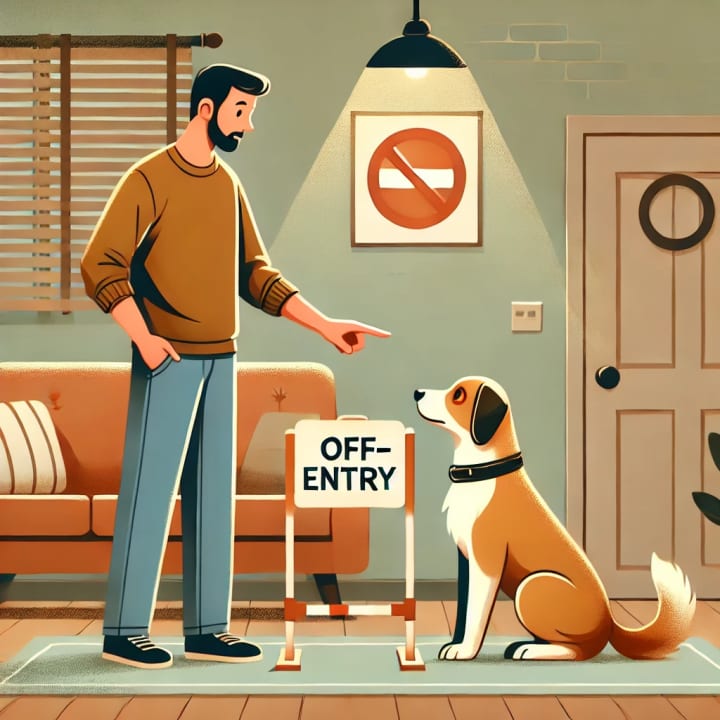
- Set Boundaries: Teach your dog which areas of the house are off-limits. Use baby gates or barriers to restrict access if necessary.
When to Seek Professional Help
If your dog’s wood-chewing habit persists despite your best efforts, consider consulting a veterinarian or animal behaviorist. Chronic chewing can be a sign of underlying medical or behavioral issues, such as dental pain, nutritional deficiencies, or severe anxiety.

Alternatives Your Dog Will Love
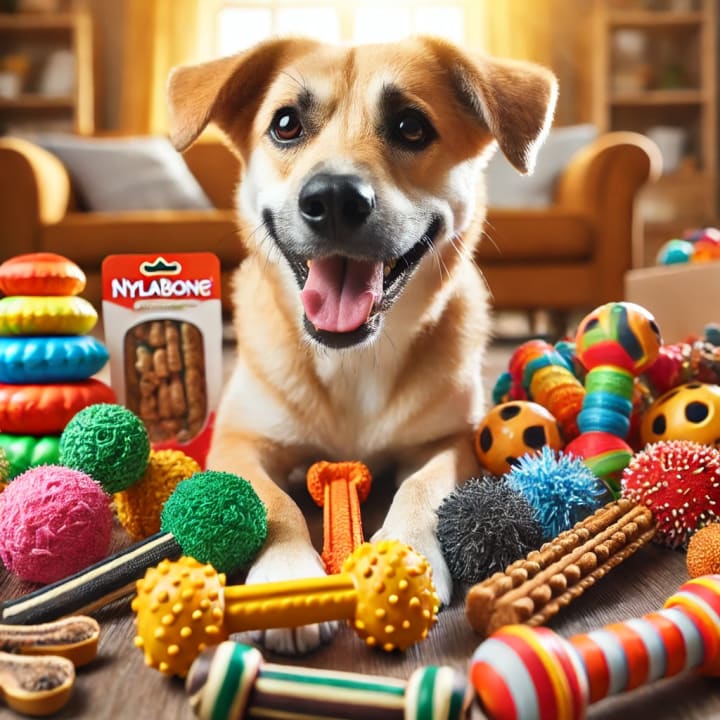
Finding the right chew toys or treats can make all the difference. Durable toys like those from Nylabone or Kong are designed for tough chewers and come in a variety of textures and flavors. Bully sticks, collagen sticks, and flavored chews offer a satisfying and safe alternative to wood. Experiment with different options to see what your dog loves most.
A Word of Encouragement
Dogs chew—it’s in their nature. But with patience, training, and a bit of creativity, you can guide your furry friend toward healthier habits. Remember, your dog doesn’t chew on wood to upset you—they’re just being a dog. By providing safe alternatives and consistent training, you’ll not only save your furniture but also strengthen the bond with your four-legged companion.
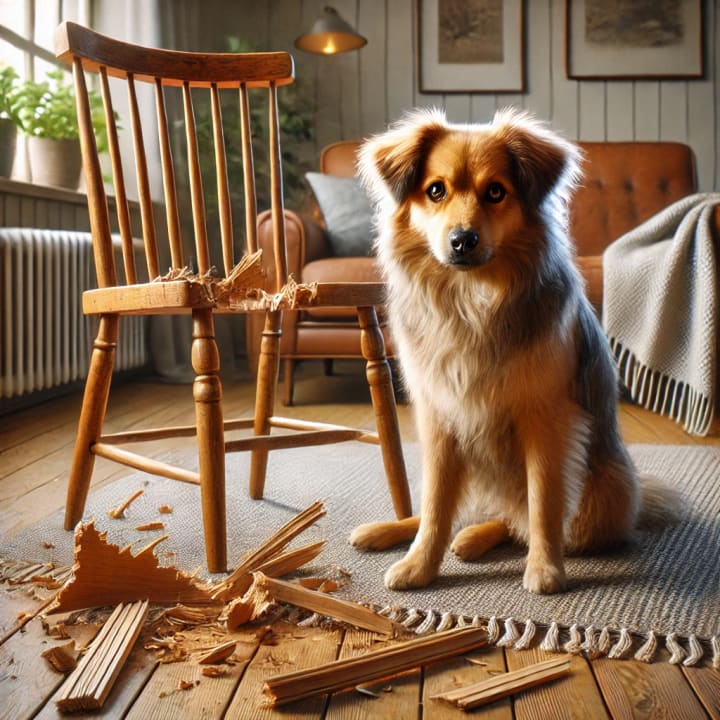
At the end of the day, your dog simply wants to feel happy, engaged, and loved. Give them the tools they need to thrive, and they’ll reward you with a lifetime of tail wags and unconditional loyalty. So, go ahead—offer them a safe chew toy, some quality playtime, and maybe even a delicious bully stick. Your furniture (and your dog) will thank you!
Thanks for your reading.
About the Creator
The Gourmet Grumble: Navigating Life with Dog Breeds That Are Picky Eaters
We’ve all seen the commercials: a happy Golden Retriever hears a kibble bag crinkle from three rooms away, skids across the hardwood floor, and inhales a bowl of dry food in approximately four seconds. It’s the universal image of canine appetite.
By MINNIE PEARL’S LIVER LEAVIN’S2 days ago in Petlife




Comments
There are no comments for this story
Be the first to respond and start the conversation.