
How to stop a dog from eating wood chips
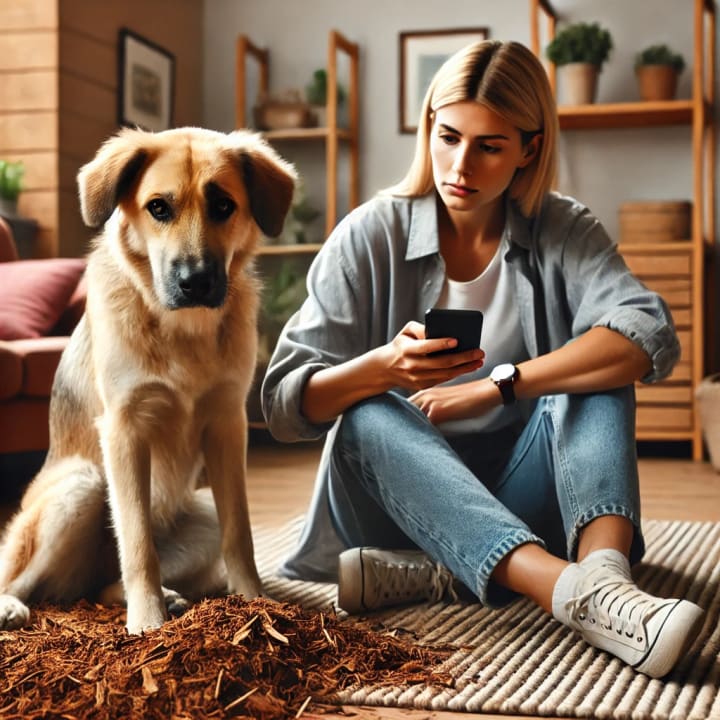
If you're a dog owner, you've probably dealt with some odd chewing habits. But what happens when your dog won't stop eating wood chips? Yes, you read that right—wood chips. Whether it's bark, sticks, or the random object your dog finds outdoors, chewing is a natural behavior. But when it crosses into the realm of dangerous or obsessive habits, it can become a real problem. The good news? With the right training and management techniques, this behavior can be curbed.

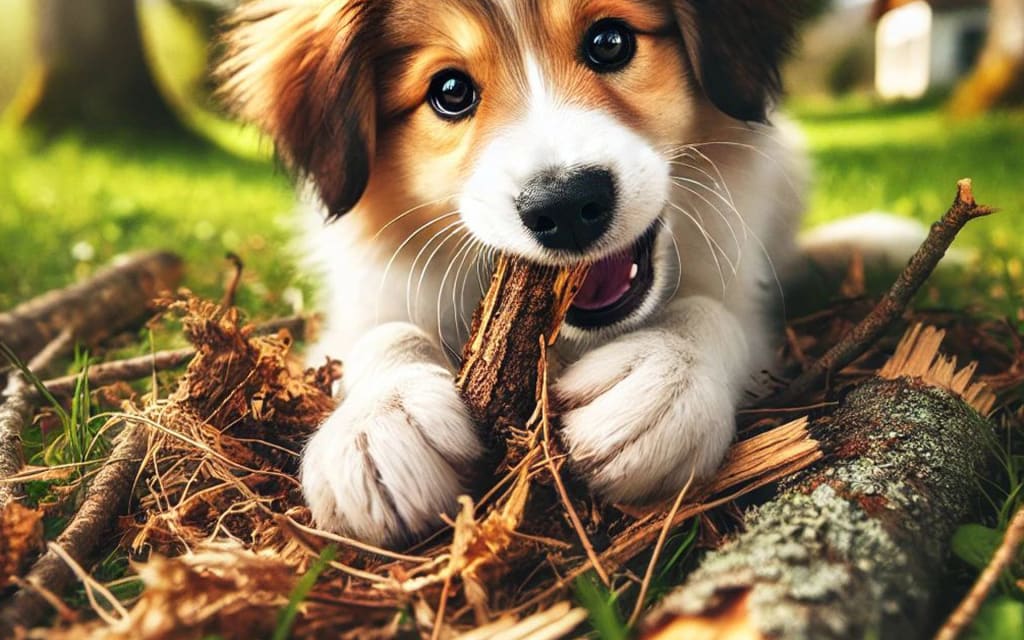
Why Does Your Dog Eat Wood Chips?
First things first: why is your dog eating wood chips in the first place? There are several reasons behind this behavior, and understanding them will help you tackle the issue more effectively.
1. Natural Chewer
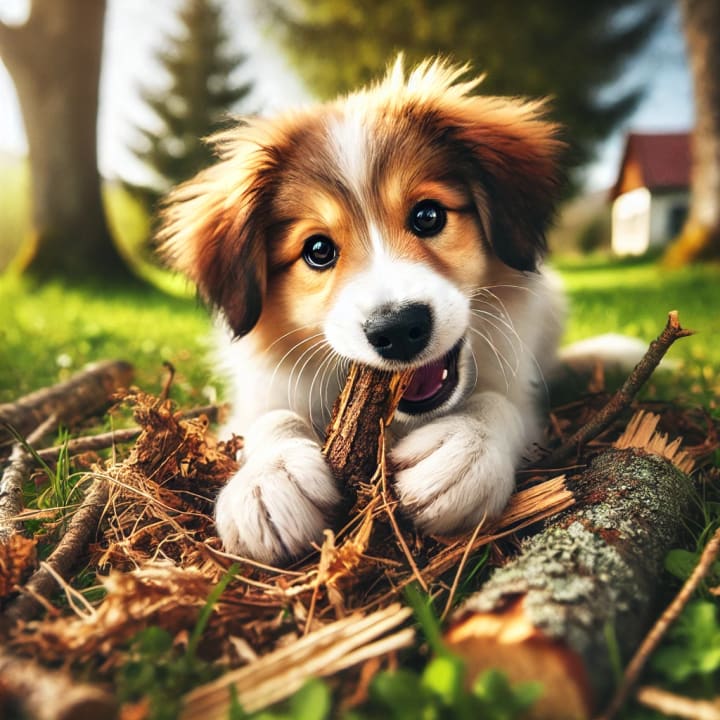
Dogs, especially puppies, are natural chewers. This instinct helps them keep their teeth clean and sharp, preventing dental issues as they grow. But when your dog starts munching on wood chips, it could simply be that they’re testing the world around them. If you’ve recently added wood chips to your yard or garden, the smell and texture might be irresistible to your pup.
2. Boredom or Anxiety
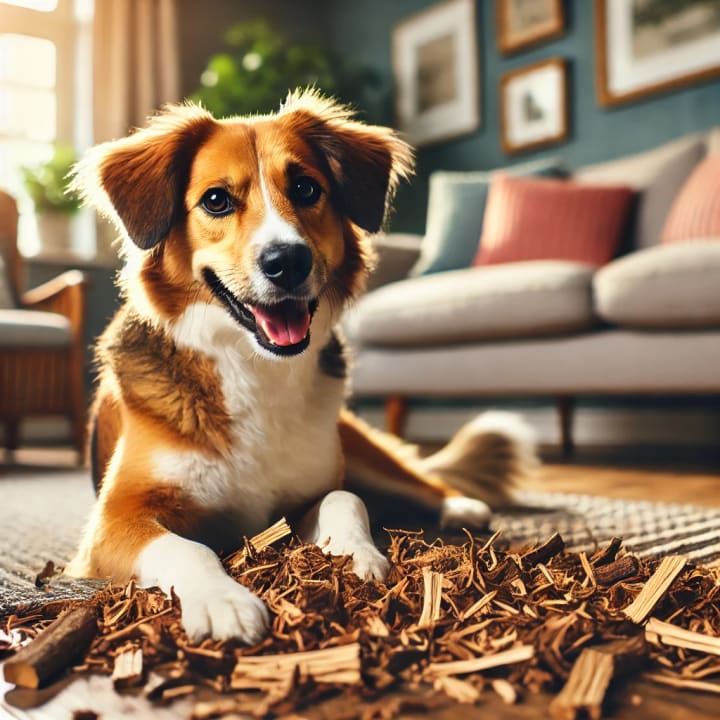
If your dog spends a lot of time alone, chewing on wood chips could be a way to pass the time. Dogs that are left unsupervised or have too much idle time may resort to destructive behaviors like chewing on anything they can find. Similarly, some dogs chew to relieve anxiety, so it’s essential to rule out stressors in their environment that could be contributing to the problem.
3. Teething

Puppies, in particular, go through a teething phase where they want to chew on everything they can get their mouths on. If you have a young dog, this might be a phase they’ll eventually grow out of, but it’s still something that needs to be managed.
4. Pica
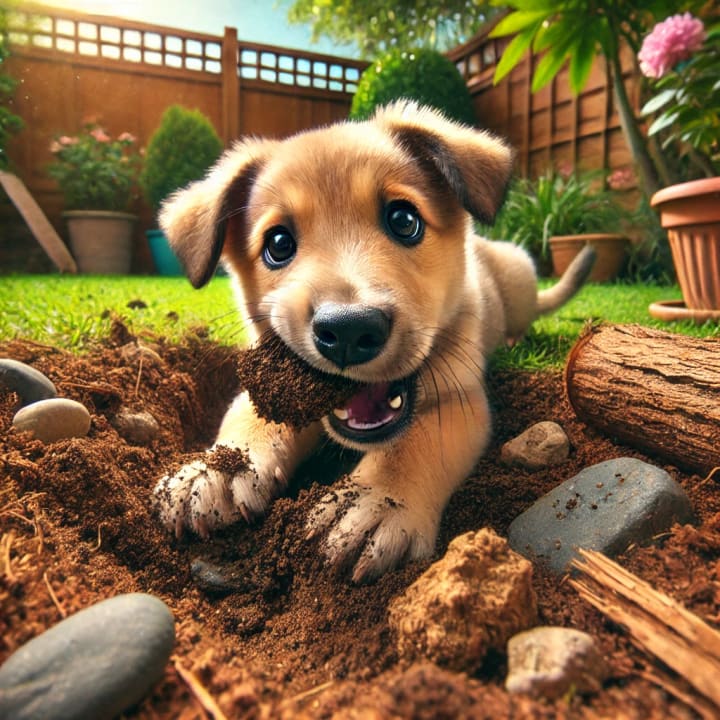
In more extreme cases, your dog might be dealing with a condition known as pica, which is the compulsive eating of non-food items. This could include dirt, rocks, or, you guessed it, wood chips. Pica is often associated with nutritional deficiencies, but it could also stem from boredom, stress, or even a lack of proper stimulation. If you notice your dog regularly eating unusual items, it’s a good idea to consult a vet to rule out any medical causes.
What Happens if My Dog Eats Wood Chips?
While chewing is a natural dog behavior, eating wood chips can lead to a number of health problems. Some immediate risks include:
- Upset Stomach: Wood chips are not digestible, and if ingested in large quantities, they can cause gastrointestinal distress. Your dog might notice diarrhea, vomiting, or even constipation.

- Allergic Reactions: Certain types of wood can trigger allergic reactions in dogs, leading to skin irritation, breathing problems, or other health issues
- Blockages: If your dog swallows a large piece of wood, it could cause a blockage in the intestines, requiring immediate medical attention.

So, while your dog might think they’re just having a tasty snack, wood chips can cause serious harm. Let’s look at how to manage and prevent this behavior.
Training Your Dog - The Power of "Leave It" and "Drop It"
Two key commands you’ll need in your arsenal are "Leave it" and "Drop it". These are essential for keeping your dog from picking up and eating harmful objects, like wood chips. Let’s dive into how you can train your dog to respond to these commands.
1. Training "Leave It"
The “leave it” command teaches your dog to ignore or move away from an object you don’t want them to touch. Here's how to train it indoors:
1. Start by placing a treat in your hand and show it to your dog.
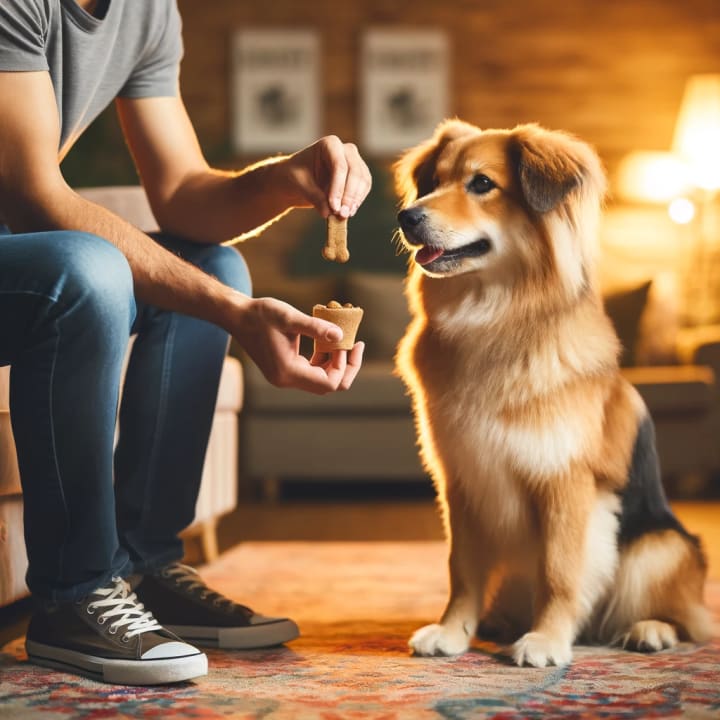
2. Close your hand around the treat and wait for your dog to stop trying to get to it.
3. When your dog stops, say “leave it” and reward them with a different treat from your other hand.
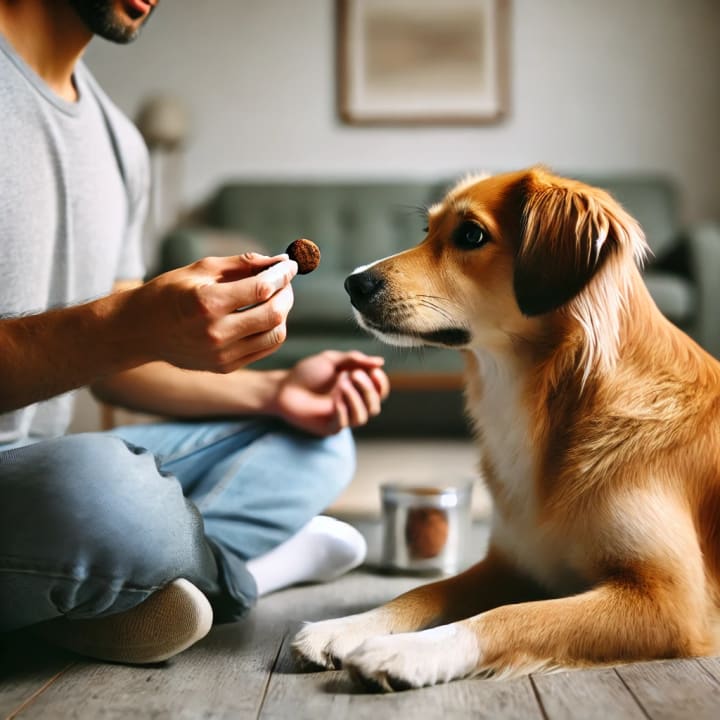
4. Gradually increase the difficulty by placing the treat on the floor and repeating the process.
Once your dog masters this command indoors, you can practice it outside, especially when wood chips are in the environment. It’s all about consistency and patience.
2. Training "Drop It"
This command teaches your dog to release whatever they have in their mouth. It’s particularly useful when your dog picks up wood chips or anything else they shouldn’t be chewing. Here’s how to train it
1. While your dog is holding a toy or another item, offer them a high-value treat.

2. When your dog drops the object to take the treat, say “drop it” and reward them immediately.
3. Practice this with different objects, making sure they understand that dropping an object leads to a reward.
With consistent practice, your dog will associate the command with the action, and you’ll be able to redirect them when they start chewing wood chips.
Management Techniques - Supervision is Key
In addition to training, you’ll need to actively supervise your dog, especially in environments where wood chips are present. Here are some tips to help manage the situation:
1. Use a Leash
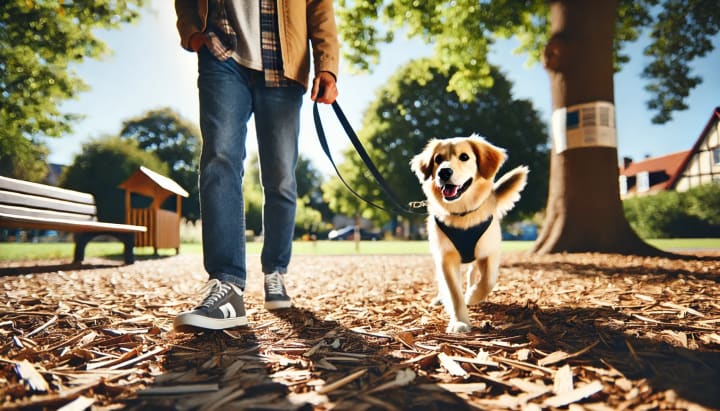
If you’re walking your dog in an area where wood chips are prevalent, consider using a leash. This will allow you to have more control over their movements and prevent them from grabbing anything they shouldn’t.
2. Muzzle for Extreme Cases
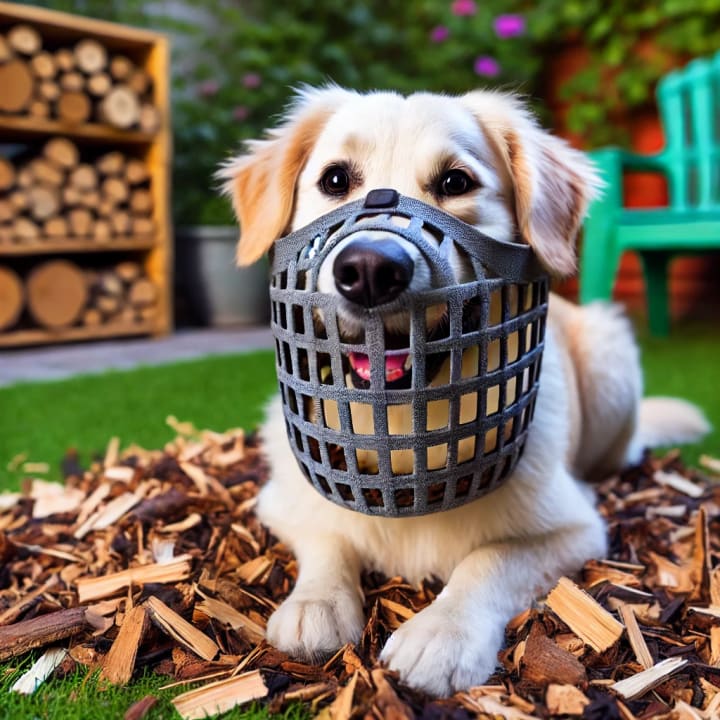
If your dog’s wood chip obsession is extreme, you might need to consider using a basket muzzle. This will prevent them from eating wood chips while still allowing them to pant, sniff, and drink water. It’s a great short-term solution, but never leave a dog unsupervised with a muzzle on.
3. Create a Safe Space
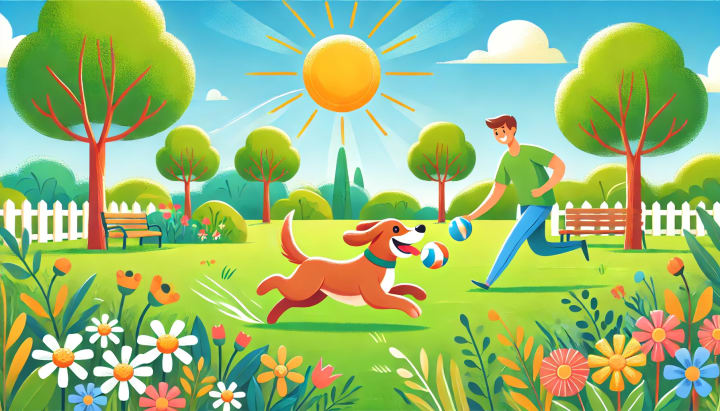
Sometimes, a dog’s need to chew can be related to stress or boredom. Make sure your dog has a comfortable and safe place to relax and unwind, away from the temptation of wood chips. Providing ample exercise and playtime can also help keep your dog mentally and physically stimulated.
4. Spray Deterrents
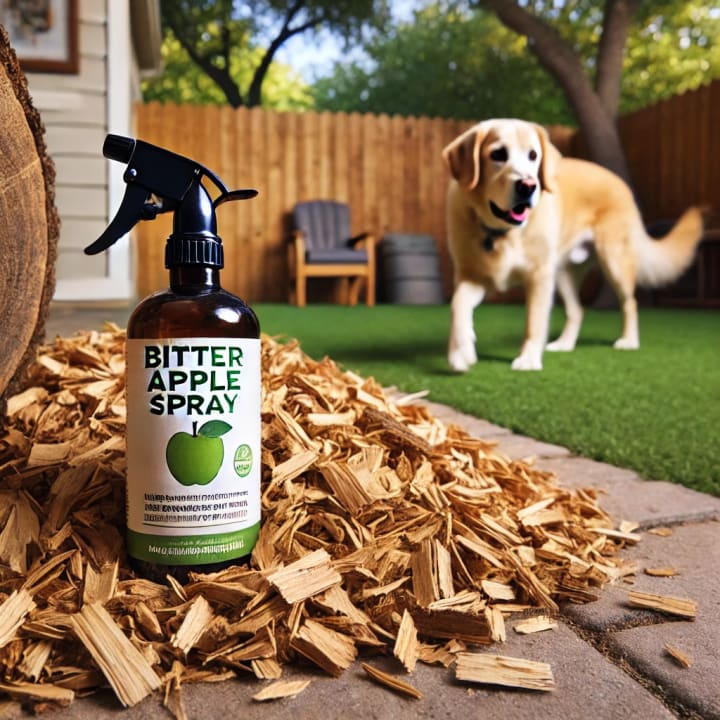
If you can’t keep your dog away from the wood chips, consider using a deterrent spray. Products like Bitter Apple or a homemade Cayenne Pepper spray can make wood chips taste unpleasant to your dog, discouraging them from chewing. Just be sure to test the spray in a small area first to ensure it won’t damage your yard.
Additional Tips for Dealing with Wood Chip Eating
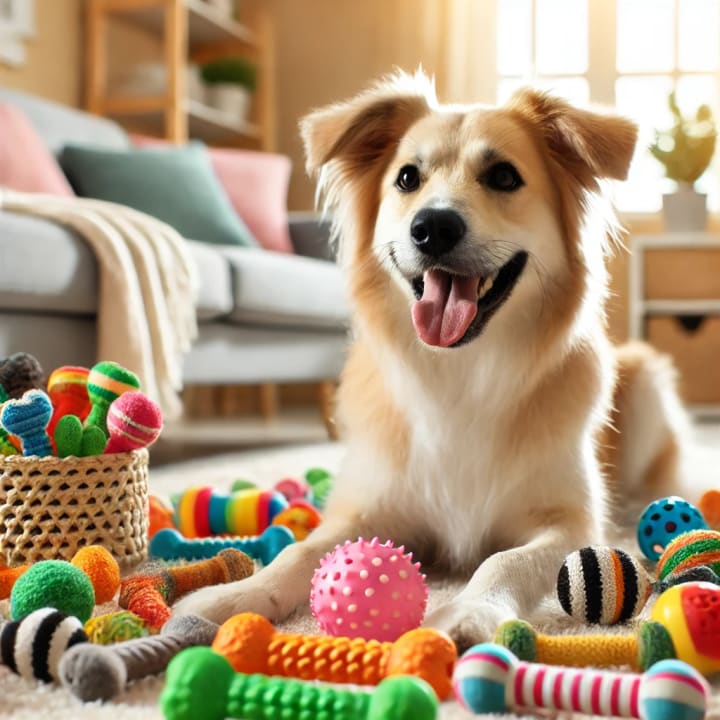
- Provide Chew Toys: Give your dog plenty of appropriate chew toys to redirect their chewing behavior. Rawhide bones, rubber toys, and even natural chews like pig ears or antlers can satisfy their need to chew without the health risks of eating wood.
- Address Pica Early: If your dog is showing signs of pica, it’s essential to address the issue early. Providing a balanced diet, ensuring proper hydration, and offering plenty of mental stimulation can help prevent them from seeking out inappropriate things to chew on.

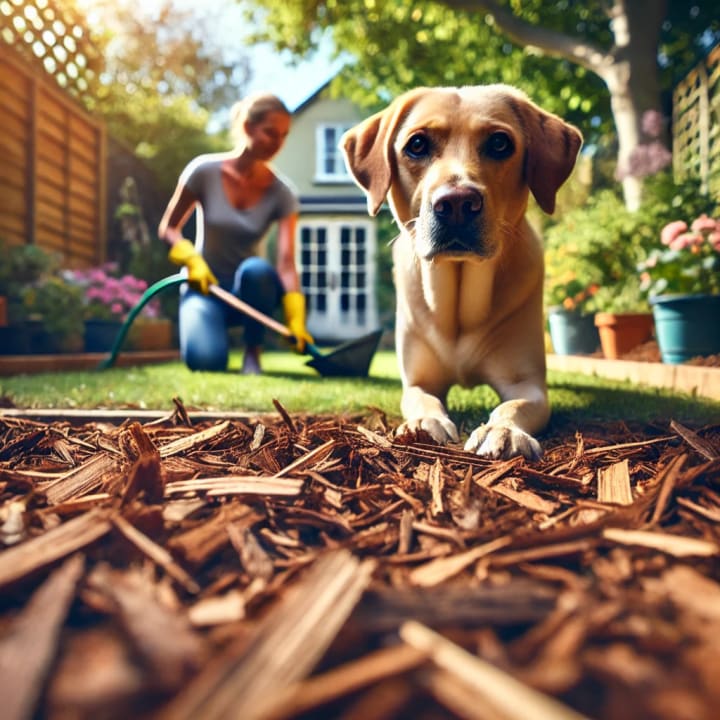
- Keep the Yard Clean: If your dog has a tendency to chew on wood chips in the yard, consider cleaning up any stray chips or other potential chewable objects. Keeping the area clear of temptation will help reduce the chances of your dog snacking on something they shouldn’t.
When to Call the Vet
If your dog’s wood chip-eating behavior persists or you notice any concerning symptoms (like vomiting, lethargy, or loss of appetite), it’s time to consult your veterinarian. Eating wood chips can sometimes signal an underlying health issue, like gastrointestinal problems or nutritional deficiencies, that may need medical attention.
Final Thoughts
Dealing with a dog that eats wood chips can be frustrating, but with patience, consistent training, and proper management, you can help your dog overcome this habit. Remember, the key is to provide plenty of stimulation—both mental and physical—while ensuring they have the right tools, like chew toys and training commands, to keep them focused. Most importantly, always supervise your dog and be proactive in preventing them from ingesting harmful objects. By taking these steps, you’ll be able to keep your dog safe and healthy while maintaining a calm and peaceful relationship with your four-legged friend.
Thanks for your reading.
About the Creator
Velveteen Lop Rabbit Lifespan Size Color Diet and Interesting Facts
As we know when people assume Velveteen Lop Rabbit many time the sweet story of the Velveteen Rabbit comes to mind. The name of this breed is not taking from any rabbit, but the book The Velveteen Rabbit have a very cute, sociable, and friendly nature.
By Rabbits Advisor2 days ago in Petlife
Helping Your Elderly Cat Who's Going Blind
When Your Cat Loses Its Sight It can be heartbreaking to watch your beloved kitty go blind. When my cat started to go blind, it was really hard to watch her bump into walls, not to mention the constant loud meowing, which made her sound like she was in excruciating pain. She wasn't. However, she was very confused and scared.
By Janis Masyk-Jackson4 days ago in Petlife
Becca
"Everything is so... flat." Denille said stupidly as she looked around her new neighborhood. She looked around at the muted desert where even the smallest sign of life seemed to have given up. The plant life was shrubs that were half cooked by the heat and where there should have been a lawn, a mess of white rocks laid glistening in the sun. Even the sky looked stretched thin, like the sun had ironed it smooth. She’d moved from Riverside, where at least there were hills, but here in Barstow, everything felt baked and brittle.
By Sara Wilson7 days ago in Fiction


Comments
There are no comments for this story
Be the first to respond and start the conversation.