
How to stop a dog from chewing on the carpet
If your dog has recently taken up chewing on your carpet like it’s a new hobby, don’t worry – you’re not alone. It’s a common challenge for pet owners, and while it may seem frustrating, this behavior is entirely natural for dogs. Whether it’s due to teething, anxiety, boredom, or just plain curiosity, your dog’s urge to chew is part of their instinct. The good news is that with patience, the right tools, and a bit of training, you can teach your dog to redirect that chewing energy towards more appropriate outlets, saving your carpet and your sanity!
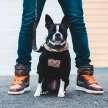

How to Stop Your Dog from Chewing on the Carpet: A Practical Guide for Pet Parents
So, you’ve got a puppy. A bundle of joy, right? Well, that’s until you realize your once adorable little fluffball has suddenly transformed into a carpet-chewing wrecking machine. From chewing up your favorite shoes to devouring entire pieces of carpet, it’s a situation that no one saw coming. But don’t panic – your dog isn’t trying to ruin your life. Chewing is a natural behavior for dogs, and the key to stopping it lies in understanding why they’re doing it and how to redirect that energy in the right direction.
Why Do Dogs Chew?
First, let’s dive into why your dog is chewing in the first place. Understanding the "why" behind the behavior is crucial. Dogs don’t chew out of malice (even though it might feel that way when they’ve destroyed a brand-new rug). The reasons behind the chewing behavior can range from boredom to teething pain, anxiety, or even just a lack of appropriate outlets for their energy. Here’s a breakdown of some of the most common reasons your dog might be chewing on your carpet:
1. Teething
If you’ve got a young pup, teething is likely one of the main culprits. Just like human babies, puppies go through a painful period where their teeth are coming in, and they’ll chew on anything and everything to relieve the discomfort. Unfortunately, your carpet might be their go-to solution for this issue.
2. Anxiety
Another reason for this destructive chewing is anxiety. Dogs, especially those with separation anxiety, might chew to soothe themselves. If you’re gone for long periods, your dog might be using the carpet as a self-soothing mechanism. The same goes for noise phobias and general stress.
3. Boredom
If your dog isn’t getting enough physical or mental stimulation, boredom is bound to set in. And guess what? When dogs get bored, they often look for ways to entertain themselves. Your carpet? Well, it’s just there waiting to be chewed.
4. Lack of Exercise
Dogs, especially high-energy breeds, need a good amount of physical activity to burn off that extra energy. Without it, they might resort to destructive behaviors like carpet chewing as a way to release pent-up energy.
5. Attention Seeking
Here’s a twist – sometimes, dogs chew simply because they want your attention. Even negative attention, like scolding, is still attention. If you react to your dog’s chewing by telling them off, they might continue doing it just to get you to notice them.
How to Stop Your Dog from Chewing the Carpet: The Solutions
Now that we understand why dogs chew, let’s talk about how to stop them. While it may take some time and patience, with the right training methods and a little creativity, you can teach your dog that the carpet is off-limits.
1. Redirection: The Power of Chew Toys
One of the most effective ways to stop your dog from chewing on your carpet is redirection. This involves providing an alternative, something your dog can chew on that’s appropriate and satisfying. Here’s how to do it:
- Step 1: Gather Your Supplies – You’ll need a few chew toys that are the right size for your dog. Make sure they’re durable enough to stand up to your dog’s chewing.
- Step 2: Observe Your Dog – Keep an eye on your dog, especially when they’re in the areas with carpet. The key is to catch them in the act.
- Step 3: Firmly Say "No" – When you see your dog chewing on the carpet, firmly say “No” in a calm but assertive voice.
- Step 4: Redirect to the Toy – Immediately give your dog a chew toy. The goal here is to make the toy more enticing than the carpet. Praise your dog when they start chewing on the toy instead.
- Step 5: Be Consistent – You’ll need to repeat this every time your dog starts chewing on the carpet. Over time, your dog will learn that chewing on the carpet results in a "No," while chewing on the toy earns praise and rewards.
2. Deterrents: A Little Bit of Shock Therapy (But in a Good Way)
Another method you can try is using deterrent sprays. These sprays are designed to make things that your dog likes to chew on unpleasant. Here's how you can use them:
- Step 1: Get the Right Spray – Head to your local pet store and pick up a pet-safe deterrent spray. These sprays usually have a bad taste or smell that dogs dislike.
- Step 2: Apply the Spray – Lightly spray the area of the carpet that your dog tends to chew on. Be sure to test the spray in a hidden area to ensure it doesn’t stain.
- Step 3: Watch for the Reaction – When your dog goes to chew on that spot again, they’ll get a whiff of the unpleasant smell or taste, which should discourage them from continuing.
- Step 4: Redirect – Of course, make sure you still have plenty of chew toys around to redirect their attention to. Praise them when they start chewing on the toy instead.
3. Crate Training: Out of Sight, Out of Mind
When you’re not around, a crate can be a lifesaver. Crate training is an effective way to limit your dog’s access to your carpet while you’re away. A safe, cozy crate gives your dog a space of their own, and you can stock it with toys to keep them occupied. Here’s how to use the crate method:
- Step 1: Introduce the Crate – Make the crate a positive place for your dog by filling it with their favorite toys, a soft bed, and perhaps even a tasty treat.
- Step 2: Limit Access – When you’re not home, and you know your dog has a tendency to chew, put them in the crate where they can’t access the carpet.
- Step 3: Gradual Adjustment – Don’t just throw your dog in the crate and leave them. Gradually increase the amount of time they spend in the crate, making sure they’re comfortable with it.
4. Increased Exercise and Mental Stimulation
As I’ve mentioned earlier, boredom and a lack of exercise are two major triggers for chewing behavior. If your dog isn’t getting enough exercise, they’re more likely to chew on things they shouldn’t. Here are some tips to keep them active and engaged:
- Daily Walks – A good walk or run can help burn off that excess energy. Aim for at least 30 minutes to an hour, depending on your dog’s breed and energy level.
- Interactive Toys and Puzzles – Toys that challenge your dog mentally can help keep their brain active and reduce destructive behaviors. Puzzle toys, treat dispensers, and interactive games can be great for this.
- Quality Time – Set aside some time each day to play with your dog. Whether it’s fetch, tug-of-war, or just some cuddles, quality time helps strengthen the bond between you and your dog while keeping them engaged.
5. Visit the Vet
If your dog’s chewing persists despite your best efforts, it might be time to visit the vet. Sometimes, underlying medical conditions like dental issues or pica (a disorder where dogs eat non-food items) can contribute to chewing behavior. A vet can help rule out these problems and offer advice on how to proceed.
Wrapping It Up
At the end of the day, dealing with a carpet-chewing dog isn’t the end of the world. With the right combination of training, redirection, and appropriate outlets for their energy, you can stop your dog from chewing on the carpet and redirect that behavior in a more productive way. Just remember: patience and consistency are key. Your dog is just trying to make sense of the world around them, and with a little guidance, they’ll learn what’s off-limits and what’s okay to chew on.
So take a deep breath. The carpet will survive. Your dog’s behavior will improve. And your bond with your furry friend will grow stronger than ever. After all, they’re not chewing to spite you – they’re just being a dog.
Thanks for your reading.
About the Creator
Off the Leash: The Essential Gear Guide for Adventurous Dogs
There’s something wildly freeing about unclipping the leash and letting your dog move the way they were built to. If you’re hiking in areas that truly allow off-lead exploration, your gear list shifts. No harness. No leash dragging through dust. Instead, it’s about smart, lightweight essentials that keep your dog safe, hydrated, and easy to manage when adventure gets messy. Long walks off lead are less about control and more about preparation.
By Shabbir Ahmad3 days ago in Petlife
Worth the Wait: Puerto Viejo, Costa Rica
Beach bumming in a small Caribbean beach town sounded like a perfect way to end our 6-month trip through Mexico and Central America. Or so we thought. The foul, fishy stench of rotten seaweed hit our nostrils as we stepped from the cramped bus and looked out at a rather depressing, empty, and underwhelming black sand beach. It was pouring with rain, and we had to quickly fish out our ponchos. We thought, this couldn’t be it, could it?
By Sh*t Happens - Lost Girl Travel6 days ago in Wander




Comments
There are no comments for this story
Be the first to respond and start the conversation.